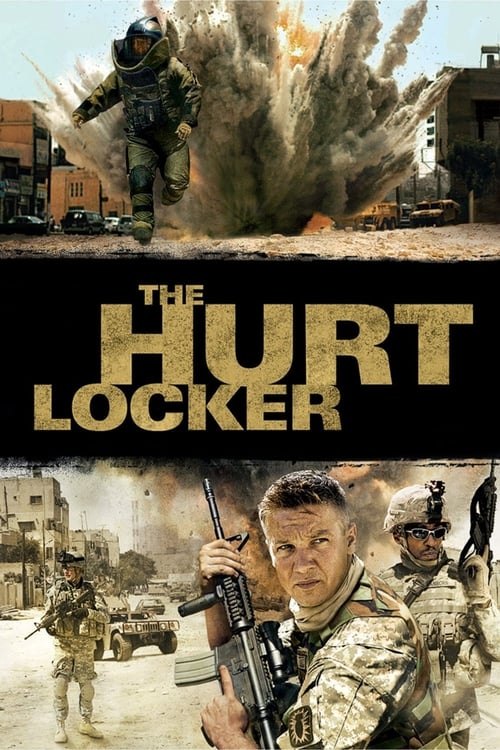
The Hurt Locker
2008 · Directed by Kathryn Bigelow
Woke Score
CriticCritic Score
Audience
Ultra Based
Critics rated this 87 points above its woke score. Among Ultra Based films, this critic score ranks #56 of 1469.
Representation Casting
Score: 25/100
The cast includes Anthony Mackie in a significant role, providing racial diversity. However, this reflects military demographics rather than intentional progressive casting decisions.
LGBTQ+ Themes
Score: 0/100
No LGBTQ+ representation, themes, or character arcs present in the film.
Feminist Agenda
Score: 5/100
While directed by a woman (historically significant), the film contains no feminist messaging, examination of gender issues, or female-centered narrative focus.
Racial Consciousness
Score: 10/100
Diverse cast exists naturally in military setting but film contains no explicit examination of systemic racism or racial consciousness themes.
Climate Crusade
Score: 0/100
No environmental themes or climate-related messaging of any kind.
Eat the Rich
Score: 0/100
No critique of capitalism, corporate structures, or wealth inequality present in narrative.
Body Positivity
Score: 0/100
No body positivity themes or commentary on body image and acceptance.
Neurodivergence
Score: 5/100
Protagonist exhibits obsessive/addictive behavior related to combat work, but this is not presented as neurodivergence representation or advocacy.
Revisionist History
Score: 0/100
Film is contemporary Iraq War story without historical revisionism or reframing of past events.
Lecture Energy
Score: 5/100
Film maintains tense, observational tone throughout with minimal preachy messaging or explicit social instruction.


Synopsis
During the Iraq War, a Sergeant recently assigned to an army bomb squad is put at odds with his squad mates due to his maverick way of handling his work.
Consciousness Assessment
The Hurt Locker arrives as a masterwork of technical filmmaking and psychological tension, a film so committed to the aesthetics of combat that it has little bandwidth for contemporary social consciousness. Directed by Kathryn Bigelow, whose historic Academy Award win (first woman to win Best Director) has been variously interpreted as a triumph of feminist cinema, the film itself remains indifferent to progressive social messaging. It is a war story interested in the addictive machinery of violence, the fractured psychology of soldiers under fire, and the stark operational details of bomb disposal. The cast includes Anthony Mackie in a significant role, but the film treats this as a reflection of military demographics rather than a statement about representation.
What the film offers instead is a rigorously unsentimental portrait of men at work, their competence and dysfunction rendered with equal attention. The narrative resists the temptation toward moral instruction or ideological positioning. It does not lecture about the Iraq War's justification or injustice, does not examine systemic racism or gender dynamics, offers no commentary on economic structures or environmental collapse. The film is, in this sense, almost aggressively apolitical in its focus, content to observe rather than prescribe.
The historical significance of Bigelow's directorial achievement should not be confused with the film's thematic commitments. The Hurt Locker is fundamentally a work of genre filmmaking, a technical achievement that happened to arrive at a moment when the Academy was prepared to recognize it. It is a film about the work of soldiers, not about social transformation. In the vocabulary of contemporary cultural analysis, it registers as almost entirely neutral, a relic of an earlier era of cinema when even serious war films could remain largely uncommitted to the social consciousness markers that would become standard in the following decade.
Analysis generated by our Consciousness Algorithm
Critic Reviews
“The result is an intense, action-driven war pic, a muscular, efficient standout that simultaneously conveys the feeling of combat from within as well as what it looks like on the ground.”
“A near-perfect movie about men in war, men at work. Through sturdy imagery and violent action, it says that even Hell needs heroes.”
“A small classic of tension, bravery, and fear, which will be studied twenty years from now when people want to understand something of what happened to American soldiers in Iraq. If there are moviegoers who are exhausted by the current fashion for relentless fantasy violence, this is the convincingly blunt and forceful movie for them.”
“Boal's script stirs a little of everything into the pot, which boils down into seven setpieces divided by brief intervals of camaraderie/conflict among the three protags.”
Consciousness Markers
The cast includes Anthony Mackie in a significant role, providing racial diversity. However, this reflects military demographics rather than intentional progressive casting decisions.
No LGBTQ+ representation, themes, or character arcs present in the film.
While directed by a woman (historically significant), the film contains no feminist messaging, examination of gender issues, or female-centered narrative focus.
Diverse cast exists naturally in military setting but film contains no explicit examination of systemic racism or racial consciousness themes.
No environmental themes or climate-related messaging of any kind.
No critique of capitalism, corporate structures, or wealth inequality present in narrative.
No body positivity themes or commentary on body image and acceptance.
Protagonist exhibits obsessive/addictive behavior related to combat work, but this is not presented as neurodivergence representation or advocacy.
Film is contemporary Iraq War story without historical revisionism or reframing of past events.
Film maintains tense, observational tone throughout with minimal preachy messaging or explicit social instruction.