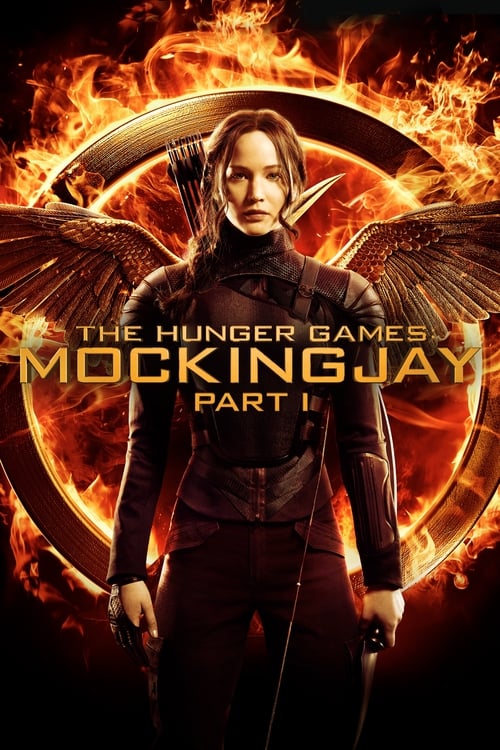
The Hunger Games: Mockingjay - Part 1
2014 · Directed by Francis Lawrence
Woke Score
CriticCritic Score
Audience
Woke-Adjacent
Critics rated this 22 points above its woke score. Among Woke-Adjacent films, this critic score ranks #103 of 151.
Representation Casting
Score: 35/100
The cast includes several performers of color in supporting roles, but representation is not foregrounded as a thematic concern. The narrative does not engage in deliberate casting commentary or identity-conscious storytelling.
LGBTQ+ Themes
Score: 0/100
No LGBTQ+ themes or representation are present in the film. The romantic storylines are heteronormative and conventional.
Feminist Agenda
Score: 55/100
Katniss functions as a strong female protagonist with agency, but her characterization predates contemporary feminist discourse. She is depicted as a warrior and symbol rather than through the lens of modern gender consciousness.
Racial Consciousness
Score: 25/100
While the cast includes racial diversity, the film does not engage in explicit racial consciousness or commentary on systemic racism. Diversity exists within the narrative without foregrounding questions of racial identity.
Climate Crusade
Score: 0/100
The dystopian setting does not address environmental or climate themes. The world-building focuses on political oppression rather than ecological concerns.
Eat the Rich
Score: 65/100
The film explicitly depicts class warfare and the exploitation of districts by the Capitol's wealthy elite. Revolutionary resistance against economic oppression is central to the narrative, though framed as classical rebellion rather than modern critique.
Body Positivity
Score: 0/100
No body positivity messaging is evident. The film's depiction of bodies remains conventional and unremarkable within the context of mainstream action cinema.
Neurodivergence
Score: 0/100
No neurodivergent characters or themes are present. The film does not engage with disability or neurodiversity representation.
Revisionist History
Score: 0/100
The film is set in a fictional dystopian future and does not engage in historical revisionism. It does not reframe real historical events through a contemporary lens.
Lecture Energy
Score: 35/100
While the film contains scenes of propaganda creation and ideological conflict, it does not adopt the preachy, explanatory tone characteristic of explicitly moralistic contemporary cinema. Themes emerge organically from plot and character rather than through expository dialogue.


Synopsis
After surviving the Quarter Quell, Katniss finds herself in the hidden stronghold of District 13, where the rebellion against the Capitol is gaining momentum. Struggling with the weight of becoming the symbol of resistance, she must navigate fragile alliances while trying to protect those she loves. As propaganda battles rage and Panem moves closer to full-scale war, Katniss is forced to confront the true cost of revolution.
Consciousness Assessment
The Hunger Games: Mockingjay - Part 1 operates within a fundamentally anti-authoritarian narrative framework that was already well-established in young adult dystopian fiction by the time of its 2014 release. The film centers on Katniss Everdeen, a female protagonist forced into the role of revolutionary symbol, and deploys her agency and resistance as thematic cornerstones. The cast includes several performers of color in supporting roles, though the narrative itself does not foreground questions of representation or identity politics in ways that would resonate with contemporary cultural consciousness. The propaganda mechanics explored in the film, and the depiction of the Capitol's decadent excess contrasted against district poverty, gesture toward anti-capitalist sensibilities, but these themes operate within the logic of a conventional dystopian adventure rather than as explicit social critique. One notes that the film's engagement with trauma, survival, and the psychological toll of violence remains psychologically honest without veering into the therapeutic language that would characterize later progressive filmmaking. The film is politically aware in a pre-2015 sense, grounded in classical revolutionary narrative rather than the specific constellation of identity-conscious social justice rhetoric that defines contemporary progressive cinema.
Analysis generated by our Consciousness Algorithm
Critic Reviews
“The film explores the way propaganda is used to set the stage for a conflict, and considering this is a mainstream franchise aimed primarily at young audiences, it's actually a pretty interesting take on how image matters as much as action in a media age.”
“A penultimate chapter without a real ending, but it’s also a thrilling ride full of potent emotions, new characters and major twists of fate, built around another commanding star performance. ”
“It's easily the most political of the three films. It also is the most absorbing and best in the series.”
“Only in the movie business could someone sell such shoddy merchandise and expect people to buy it. If The Hunger Games: Mockingjay — Part 1 were an appliance, it would be a broken toaster that people would toss in the garbage. Except that analogy is too kind, in that “Mockingjay” would be half a toaster.”
Consciousness Markers
The cast includes several performers of color in supporting roles, but representation is not foregrounded as a thematic concern. The narrative does not engage in deliberate casting commentary or identity-conscious storytelling.
No LGBTQ+ themes or representation are present in the film. The romantic storylines are heteronormative and conventional.
Katniss functions as a strong female protagonist with agency, but her characterization predates contemporary feminist discourse. She is depicted as a warrior and symbol rather than through the lens of modern gender consciousness.
While the cast includes racial diversity, the film does not engage in explicit racial consciousness or commentary on systemic racism. Diversity exists within the narrative without foregrounding questions of racial identity.
The dystopian setting does not address environmental or climate themes. The world-building focuses on political oppression rather than ecological concerns.
The film explicitly depicts class warfare and the exploitation of districts by the Capitol's wealthy elite. Revolutionary resistance against economic oppression is central to the narrative, though framed as classical rebellion rather than modern critique.
No body positivity messaging is evident. The film's depiction of bodies remains conventional and unremarkable within the context of mainstream action cinema.
No neurodivergent characters or themes are present. The film does not engage with disability or neurodiversity representation.
The film is set in a fictional dystopian future and does not engage in historical revisionism. It does not reframe real historical events through a contemporary lens.
While the film contains scenes of propaganda creation and ideological conflict, it does not adopt the preachy, explanatory tone characteristic of explicitly moralistic contemporary cinema. Themes emerge organically from plot and character rather than through expository dialogue.