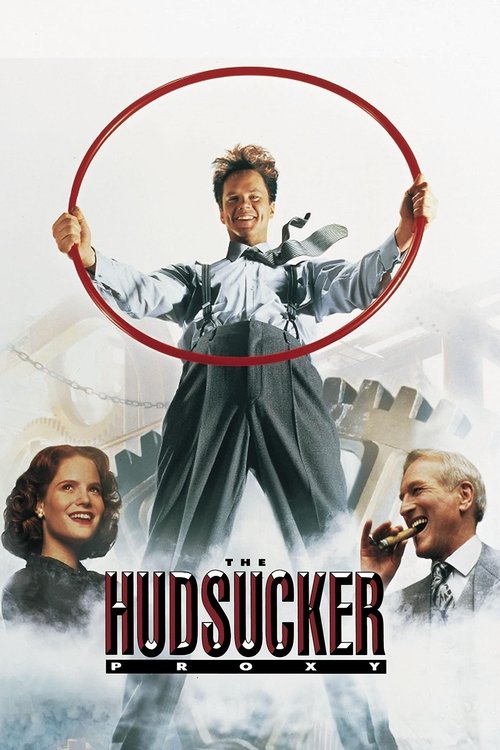
The Hudsucker Proxy
1994 · Directed by Joel Coen
Woke Score
CriticCritic Score
Audience
Ultra Based
Critics rated this 45 points above its woke score. Among Ultra Based films, this critic score ranks #1094 of 1469.
Representation Casting
Score: 15/100
The cast is predominantly white, reflecting both 1950s corporate America and the screwball genre being pastiche. Jennifer Jason Leigh's presence as a capable female character provides some counterweight, but this follows genre convention rather than contemporary representation.
LGBTQ+ Themes
Score: 0/100
No LGBTQ+ themes, characters, or representation present in the film.
Feminist Agenda
Score: 20/100
Jennifer Jason Leigh's reporter character is witty, capable, and equals her male counterparts in agency and intelligence. However, this reflects screwball comedy tradition rather than modern feminist consciousness.
Racial Consciousness
Score: 5/100
The film includes minor roles for Black actors (Bill Cobbs appears as a porter), but these are background characters without substantial narrative weight. No racial themes are explored.
Climate Crusade
Score: 0/100
No climate-related themes or environmental consciousness present in the film.
Eat the Rich
Score: 25/100
The film satirizes corporate boardroom scheming and stock manipulation, targeting capitalist greed. However, this operates as comedic genre convention rather than genuine social critique or political statement.
Body Positivity
Score: 0/100
No body positivity messaging or discourse about body diversity present in the film.
Neurodivergence
Score: 0/100
No representation of or engagement with neurodivergence in the film.
Revisionist History
Score: 10/100
The film presents a stylized, fantastical version of 1950s corporate America that bears little resemblance to historical reality, but this is aesthetic artifice rather than revisionist history with political intent.
Lecture Energy
Score: 5/100
The film prioritizes entertainment and spectacle over preachy messaging. Any social commentary emerges organically from the plot mechanics rather than through explicit instruction.


Synopsis
A naive business graduate is installed as president of a manufacturing company as part of a stock scam.
Consciousness Assessment
The Hudsucker Proxy presents itself as a meticulous recreation of screwball comedy conventions, a glossy homage to an imagined golden age of Hollywood rather than an expression of contemporary cultural anxieties. The film's satirical edge targets corporate boardroom machinations and the casual exploitation of working-class ambition, which might suggest anti-capitalist sympathies, yet this critique arrives filtered through decades of genre tradition and operates primarily as aesthetic flourish rather than substantive social commentary. We are meant to enjoy the visual spectacle and the mechanical perfection of the plot, not to emerge transformed by any particular worldview.
The female lead, played with considerable verve by Jennifer Jason Leigh, functions as a competent, witty equal to her male counterparts, though this reflects the conventions of 1930s-1940s Hollywood screwball rather than any contemporary consciousness. The film's casting and character work show no particular investment in representation beyond the demands of its genre template. There is no evidence of LGBTQ+ thematic content, climate awareness, body positivity discourse, or exploration of neurodivergence. The film does not lecture; it entertains through visual gags, rapid-fire dialogue, and intricate plotting.
What emerges is a film so committed to historical pastiche that it cannot help but inherit the blind spots of its source material, yet without the compensating gravity of genuinely revisionist history. The Hudsucker Proxy remains a technical achievement and a monument to stylistic precision, but it exists outside the contemporary conversation about cultural representation and social consciousness. It is, in short, a 1994 film about 1950s capitalism designed to look like a 1940s fantasy, which means it carries none of the markers we have been trained to identify in modern cinema.
Analysis generated by our Consciousness Algorithm
Critic Reviews
“With its refined wit and glorious vision, The Hudsucker Proxy is certainly deserving of a wide audience.”
“In The Hudsucker Proxy, the filmmaking Coen brothers make dark, startling, wittily extravagant sport of the American Dream. The movie is opulent and wry, a bitingly intelligent fable about business and romance. [25 Mar 1994, p.A]”
“While not to everyone's tastes, this is without doubt one of the most exhilarating films of 1994.”
“Don't bother to see this film unless you expect to be tested in film class about the Coens' serial dissertation on American cinema. [10 Mar 1994, p.A16]”
Consciousness Markers
The cast is predominantly white, reflecting both 1950s corporate America and the screwball genre being pastiche. Jennifer Jason Leigh's presence as a capable female character provides some counterweight, but this follows genre convention rather than contemporary representation.
No LGBTQ+ themes, characters, or representation present in the film.
Jennifer Jason Leigh's reporter character is witty, capable, and equals her male counterparts in agency and intelligence. However, this reflects screwball comedy tradition rather than modern feminist consciousness.
The film includes minor roles for Black actors (Bill Cobbs appears as a porter), but these are background characters without substantial narrative weight. No racial themes are explored.
No climate-related themes or environmental consciousness present in the film.
The film satirizes corporate boardroom scheming and stock manipulation, targeting capitalist greed. However, this operates as comedic genre convention rather than genuine social critique or political statement.
No body positivity messaging or discourse about body diversity present in the film.
No representation of or engagement with neurodivergence in the film.
The film presents a stylized, fantastical version of 1950s corporate America that bears little resemblance to historical reality, but this is aesthetic artifice rather than revisionist history with political intent.
The film prioritizes entertainment and spectacle over preachy messaging. Any social commentary emerges organically from the plot mechanics rather than through explicit instruction.