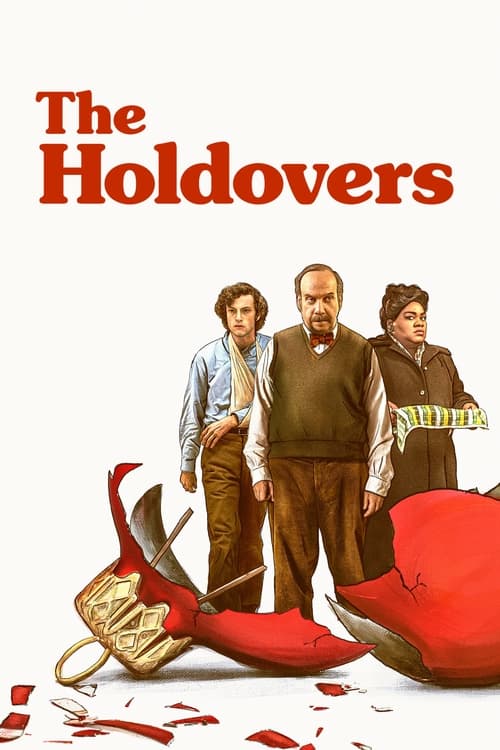
The Holdovers
2023 · Directed by Alexander Payne
Woke Score
CriticCritic Score
Audience
Based
Critics rated this 60 points above its woke score. Among Based films, this critic score ranks #55 of 345.
Representation Casting
Score: 45/100
The ensemble includes actors of diverse backgrounds (Black, Asian, Jewish names), but their representation emerges through natural casting rather than explicit commentary. Da'Vine Joy Randolph's cook is a significant character but not defined by her identity.
LGBTQ+ Themes
Score: 0/100
No evidence of LGBTQ+ themes, characters, or representation in the film.
Feminist Agenda
Score: 15/100
Da'Vine Joy Randolph's character is a mother figure and caregiver, which aligns with traditional roles rather than challenging them. There is no explicit feminist agenda or commentary.
Racial Consciousness
Score: 20/100
The film features a Black character in a position of institutional power (head cook) and acknowledges the Vietnam War context that disproportionately affected Black Americans, but does not explicitly center racial consciousness or systemic racism as themes.
Climate Crusade
Score: 0/100
No evidence of climate-related themes or environmental consciousness in the film.
Eat the Rich
Score: 10/100
The film depicts class differences between wealthy boarding school students and working-class staff, but presents this as social reality rather than as a system to critique or overturn.
Body Positivity
Score: 0/100
No evidence of body positivity messaging or commentary on physical appearance and acceptance.
Neurodivergence
Score: 15/100
Dominic Sessa's character is emotionally troubled and possibly neurodivergent, but the film treats this as psychological damage from personal circumstance rather than as neurodivergence to be celebrated or accommodated.
Revisionist History
Score: 25/100
The film is set in 1970 and references the Vietnam War, but does not reinterpret history through a contemporary progressive lens. The war is background tragedy, not a vehicle for historical revision.
Lecture Energy
Score: 15/100
The film is dialogue-heavy and character-driven, but its conversations are about personal matters, not ideological positions. It avoids the hectoring tone of message-driven cinema.


Synopsis
A curmudgeonly instructor at a New England prep school is forced to remain on campus during Christmas break to babysit the handful of students with nowhere to go. Eventually, he forms an unlikely bond with one of them — a damaged, brainy troublemaker — and with the school's head cook, who has just lost a son in Vietnam.
Consciousness Assessment
Alexander Payne's "The Holdovers" is a modest character study that resists the contemporary impulse toward preachiness. Set in 1970 at a New England boarding school, the film concerns itself with loneliness, grief, and the small mercies of human connection rather than with the machinery of social critique. Paul Giamatti's history teacher is curmudgeonly and emotionally withered; Da'Vine Joy Randolph's cook is grieving her son; Dominic Sessa's student is damaged and intellectually precocious. These conditions are presented as facts of their lives, not as symptoms requiring diagnosis or cure through narrative intervention.
The film's modest engagement with progressive sensibilities emerges primarily through its casting and the naturalization of its diverse ensemble. A Korean exchange student, a Black cook, and working-class students share space with the sons of privilege without the film treating this arrangement as remarkable or as occasion for speeches. The Vietnam War background haunts the margins, but the film does not conscript its tragedy into the service of larger political argument. Its refusal to lecture separates it from more aggressively message-driven contemporaries.
What prevents a higher score is the film's essential conservatism of perspective and purpose. It seeks connection and understanding across divides, but it does not interrogate the systems that created those divides. The school remains a school; the class structure remains intact; no one is radicalized. This is humanism without ideology, which is precisely what distances it from the particular cultural markers of contemporary progressive filmmaking.
Analysis generated by our Consciousness Algorithm
Critic Reviews
“The Holdovers is a film about class and race, grief and resentment, opportunity and entitlement. It’s that rare exception to the oft-heard complaint that “they don’t make ’em like they used to.””
“Funny and rueful, The Holdovers seems beamed in from another time in cinema history, when wordy and thoughtful little movies like this were in healthier supply.”
“The Holdovers is a loving testament to the power of the human spirit, albeit one that favours subtle, melancholic grace notes over any need to shout. Though tinged with sadness - be prepared to shed a tear - it’s sure to become a feel-good, festive favourite.”
“The Holdovers is a flat, phony, painfully diagrammatic movie masquerading as a compassionate, humane one. ”
Consciousness Markers
The ensemble includes actors of diverse backgrounds (Black, Asian, Jewish names), but their representation emerges through natural casting rather than explicit commentary. Da'Vine Joy Randolph's cook is a significant character but not defined by her identity.
No evidence of LGBTQ+ themes, characters, or representation in the film.
Da'Vine Joy Randolph's character is a mother figure and caregiver, which aligns with traditional roles rather than challenging them. There is no explicit feminist agenda or commentary.
The film features a Black character in a position of institutional power (head cook) and acknowledges the Vietnam War context that disproportionately affected Black Americans, but does not explicitly center racial consciousness or systemic racism as themes.
No evidence of climate-related themes or environmental consciousness in the film.
The film depicts class differences between wealthy boarding school students and working-class staff, but presents this as social reality rather than as a system to critique or overturn.
No evidence of body positivity messaging or commentary on physical appearance and acceptance.
Dominic Sessa's character is emotionally troubled and possibly neurodivergent, but the film treats this as psychological damage from personal circumstance rather than as neurodivergence to be celebrated or accommodated.
The film is set in 1970 and references the Vietnam War, but does not reinterpret history through a contemporary progressive lens. The war is background tragedy, not a vehicle for historical revision.
The film is dialogue-heavy and character-driven, but its conversations are about personal matters, not ideological positions. It avoids the hectoring tone of message-driven cinema.