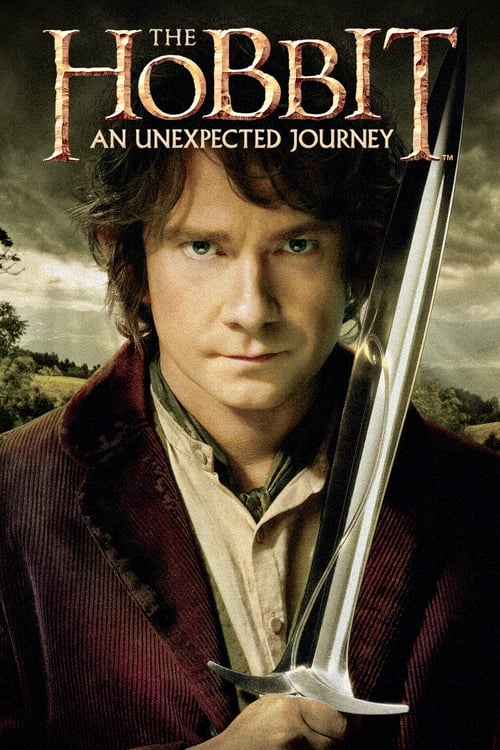
The Hobbit: An Unexpected Journey
2012 · Directed by Peter Jackson
Woke Score
CriticCritic Score
Audience
Ultra Based
Critics rated this 54 points above its woke score. Among Ultra Based films, this critic score ranks #957 of 1469.
Representation Casting
Score: 5/100
The cast consists almost entirely of white actors. While the film features some female characters like Galadriel and later Tauriel, they occupy minimal screen time in this first installment and are not central to the narrative.
LGBTQ+ Themes
Score: 0/100
No LGBTQ+ themes, characters, or representation are present in the film. The narrative adheres strictly to heteronormative relationship structures.
Feminist Agenda
Score: 3/100
The film remains rooted in its male-centered source material. Female characters exist peripherally. The quest involves thirteen dwarves and a male hobbit protagonist, with women largely absent from the central action.
Racial Consciousness
Score: 0/100
The film shows no engagement with racial consciousness or diversity awareness. The casting mirrors the source material's implicit homogeneity without interrogating or reconsidering those choices.
Climate Crusade
Score: 0/100
No climate or environmental crusade themes are present. The film is a traditional fantasy adventure unconcerned with ecological messaging.
Eat the Rich
Score: 15/100
The plot involves reclaiming stolen treasure and resisting an evil dragon's hoarding, which could suggest anti-capitalist sentiment. However, this is incidental to the adventure narrative rather than a conscious social critique.
Body Positivity
Score: 0/100
The film presents no body positivity messaging. Characters are portrayed according to fantasy archetypes with no commentary on or celebration of diverse body types.
Neurodivergence
Score: 0/100
No neurodivergent representation or themes are present. The film contains no exploration of autism, ADHD, mental health, or neurological diversity.
Revisionist History
Score: 0/100
This is a fantasy adaptation of a 1937 novel, not a historical film. No revisionist historical claims are made or implied.
Lecture Energy
Score: 5/100
While primarily an adventure film, some scenes involve Gandalf delivering wisdom or exposition. However, these moments serve the plot rather than functioning as preachy social commentary.


Synopsis
Bilbo Baggins, a hobbit enjoying his quiet life, is swept into an epic quest by Gandalf the Grey and thirteen dwarves who seek to reclaim their mountain home from Smaug, the dragon.
Consciousness Assessment
The Hobbit: An Unexpected Journey arrives as a textbook example of a film untouched by contemporary progressive sensibilities. Peter Jackson's 2012 adaptation of Tolkien's 1937 novel makes no meaningful attempt to interrogate its source material's homogeneity or to introduce the kind of representation that had become expected in mainstream fantasy cinema by the early 2010s. The cast is uniformly white, the protagonist is male, and the narrative structure remains entirely centered on masculine adventure and conquest. One observes a film that treats its inheritance as gospel, offering no revisions to address the concerns of a modern audience.
The film's relationship to social consciousness is one of profound indifference. The thirteen dwarves, the wizard, the hobbit, and the dragon might as well exist in a vacuum for all the film engages with questions of gender, race, or identity. Female characters appear primarily as decorative elements or exposition devices. Galadriel sits in Rivendell offering cryptic counsel. Tauriel, added for the trilogy, will later provide the most substantial female action presence, but in this first installment, the screen belongs overwhelmingly to men in prosthetics and beards. There is no attempt at irony, no winking acknowledgment of the film's own insularity, no sense that the filmmakers recognize they are making something anachronistic in its social composition.
What remains is a competent, if bloated, fantasy spectacle. The film scores its measly eight points primarily through default positions rather than any intentional progressive gesture. A plot about theft and hoarding generates a faint whiff of anti-capitalist sentiment, but this reads as accidental rather than deliberate. Jackson presents Middle-earth as an uncomplicated realm of good and evil, adventure and peril, with no space for the kind of social consciousness that might have elevated the material beyond its limitations. The film is, in this sense, perfectly transparent about its lack of engagement with the concerns of contemporary cinema. It simply does not care to try.
Analysis generated by our Consciousness Algorithm
Critic Reviews
“Charming, spectacular, technically audacious… in short, everything you expect from a Peter Jackson movie. A feeling of familiarity does take hold in places, but this is an epically entertaining first course.”
“As epic, grandiose, and emotionally appealing as the previous pictures, The Hobbit doesn't stray far from the mold, but it's a thrilling ride that's one of the most enjoyable, exciting and engaging tentpoles of the year.”
“I'm holding the filmmaker responsible for getting us all back again - to feelings of excitement and delight. Vital as they are, Gollum and Bilbo can only do so much to keep us enchanted. Is Jackson able to sustain the magic in two more installments? I peer into Tolkien's Misty Mountains and embrace the journey. ”
“If you loved the earlier films, these are moments you will hold on to, but they're very few, and they're not enough. ”
Consciousness Markers
The cast consists almost entirely of white actors. While the film features some female characters like Galadriel and later Tauriel, they occupy minimal screen time in this first installment and are not central to the narrative.
No LGBTQ+ themes, characters, or representation are present in the film. The narrative adheres strictly to heteronormative relationship structures.
The film remains rooted in its male-centered source material. Female characters exist peripherally. The quest involves thirteen dwarves and a male hobbit protagonist, with women largely absent from the central action.
The film shows no engagement with racial consciousness or diversity awareness. The casting mirrors the source material's implicit homogeneity without interrogating or reconsidering those choices.
No climate or environmental crusade themes are present. The film is a traditional fantasy adventure unconcerned with ecological messaging.
The plot involves reclaiming stolen treasure and resisting an evil dragon's hoarding, which could suggest anti-capitalist sentiment. However, this is incidental to the adventure narrative rather than a conscious social critique.
The film presents no body positivity messaging. Characters are portrayed according to fantasy archetypes with no commentary on or celebration of diverse body types.
No neurodivergent representation or themes are present. The film contains no exploration of autism, ADHD, mental health, or neurological diversity.
This is a fantasy adaptation of a 1937 novel, not a historical film. No revisionist historical claims are made or implied.
While primarily an adventure film, some scenes involve Gandalf delivering wisdom or exposition. However, these moments serve the plot rather than functioning as preachy social commentary.