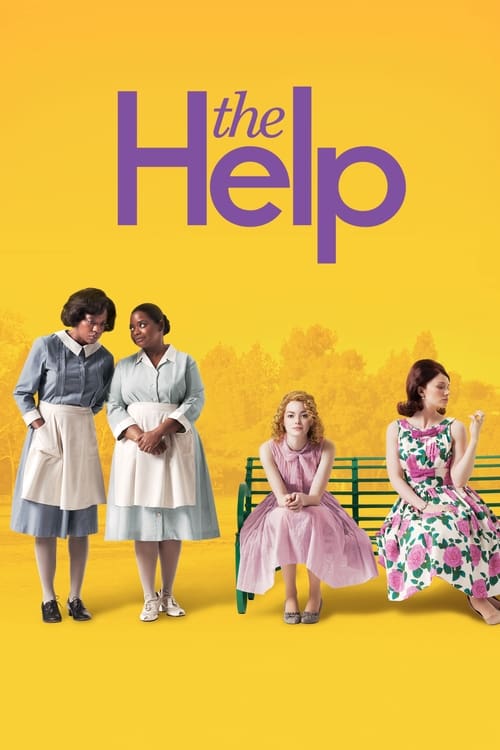
The Help
2011 · Directed by Tate Taylor
Woke Score
CriticCritic Score
Audience
Woke-Adjacent
Critics rated this 4 points above its woke score. Among Woke-Adjacent films, this critic score ranks #108 of 151.
Representation Casting
Score: 95/100
The film prominently features Black actors in leading roles, with Viola Davis and Octavia Spencer as central protagonists. Significant portion of screen time and narrative focus dedicated to Black characters' perspectives and experiences.
LGBTQ+ Themes
Score: 0/100
No LGBTQ+ themes, characters, or representation present in the film.
Feminist Agenda
Score: 65/100
Female characters are the narrative focus and drive the plot, with themes of women's agency and resistance to patriarchal oppression. However, this is tempered by the centering of the white female protagonist's moral awakening.
Racial Consciousness
Score: 55/100
The film engages with racial injustice and Jim Crow-era racism, but critics argue it sanitizes the brutality of systemic racism and centers a white savior narrative rather than Black agency and resistance.
Climate Crusade
Score: 0/100
No climate or environmental themes present in the film.
Eat the Rich
Score: 0/100
No anti-capitalist or 'eat the rich' messaging present in the narrative.
Body Positivity
Score: 0/100
No body positivity themes or commentary on body image present in the film.
Neurodivergence
Score: 0/100
No neurodivergent characters or themes related to neurodiversity present in the film.
Revisionist History
Score: 40/100
The film presents a particular interpretation of 1960s segregation-era Mississippi that emphasizes personal relationships over systemic structures, potentially offering a softened view of historical racial violence.
Lecture Energy
Score: 50/100
The film contains moral instruction about racism and injustice, though much of this is conveyed through emotional character moments rather than explicit preachiness.


Synopsis
Aibileen Clark is a middle-aged African-American maid who has spent her life raising white children and has recently lost her only son; Minny Jackson is an African-American maid who has often offended her employers despite her family's struggles with money and her desperate need for jobs; and Eugenia "Skeeter" Phelan is a young white woman who has recently moved back home after graduating college to find out her childhood maid has mysteriously disappeared. These three stories intertwine to explain how life in Jackson, Mississippi revolves around "the help"; yet they are always kept at a certain distance because of racial lines.
Consciousness Assessment
The Help represents a particular moment in contemporary progressive filmmaking where the impulse toward racial representation collides somewhat awkwardly with the desire to make that representation palatable to mainstream audiences. The film's commitment to centering Black actresses in significant roles is genuine, and Viola Davis and Octavia Spencer deliver performances of considerable power. Yet the narrative structure itself performs a curious inversion: a story ostensibly about Black maids during the Jim Crow era becomes fundamentally a story about a white woman's moral education, with the maids serving as vessels for her enlightenment. This is the white savior narrative in its most refined form, polished smooth by the machinery of prestige cinema.
The film's treatment of racism operates at the level of interpersonal cruelty rather than systemic violence. Hilly Holbrook's casual malice and casual humiliations are depicted as individual moral failings rather than expressions of a comprehensive social architecture designed to subjugate and exploit. The historical brutality of segregation is rendered through scenes of embarrassment and social snubbing, which, while uncomfortable, do not require audiences to confront the actual stakes of racial oppression or their own complicity in systems that persist into the present day. The narrative arc allows viewers to identify with Skeeter's awakening, to feel virtuous about her recognition of injustice, and to leave the theater believing they have witnessed a serious engagement with race.
What emerges most clearly upon examination is that The Help exemplifies a particular strain of 2010s progressive cinema: one that celebrates representation as an end in itself while potentially short-circuiting more rigorous interrogation of power structures. The film did not challenge audiences so much as comfort them. It won Academy Awards and box office success by making racial consciousness accessible, which is to say, by making it safe.
Analysis generated by our Consciousness Algorithm
Critic Reviews
“The Help isn't intended to be so much a movie about the ugliness of the era than an optimistic tale of what can spring from that kind of ugliness, about the ability of people to love one another even when they're surrounded by hatred. And on that level, The Help succeeds wonderfully, a warm and sweet song of hope.”
“Davis and Spencer give faces and fully-fleshed out lives to women who must have been more than what they did for a living as The Help.”
“High school creative-writing-class ironies of all kinds abound in The Help.”
Consciousness Markers
The film prominently features Black actors in leading roles, with Viola Davis and Octavia Spencer as central protagonists. Significant portion of screen time and narrative focus dedicated to Black characters' perspectives and experiences.
No LGBTQ+ themes, characters, or representation present in the film.
Female characters are the narrative focus and drive the plot, with themes of women's agency and resistance to patriarchal oppression. However, this is tempered by the centering of the white female protagonist's moral awakening.
The film engages with racial injustice and Jim Crow-era racism, but critics argue it sanitizes the brutality of systemic racism and centers a white savior narrative rather than Black agency and resistance.
No climate or environmental themes present in the film.
No anti-capitalist or 'eat the rich' messaging present in the narrative.
No body positivity themes or commentary on body image present in the film.
No neurodivergent characters or themes related to neurodiversity present in the film.
The film presents a particular interpretation of 1960s segregation-era Mississippi that emphasizes personal relationships over systemic structures, potentially offering a softened view of historical racial violence.
The film contains moral instruction about racism and injustice, though much of this is conveyed through emotional character moments rather than explicit preachiness.