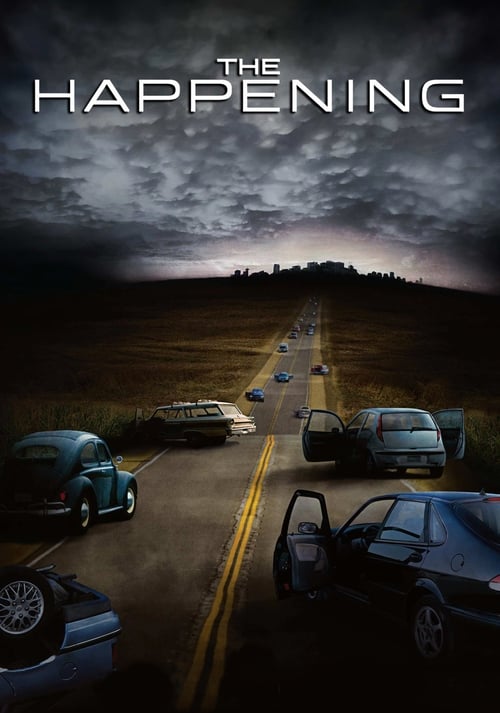
The Happening
2008 · Directed by M. Night Shyamalan
Woke Score
CriticCritic Score
Audience
Based
Critics rated this 12 points above its woke score. Among Based films, this critic score ranks #341 of 345.
Representation Casting
Score: 15/100
John Leguizamo appears in a supporting role, but his casting seems functional rather than deliberate representation. No meaningful effort to center diverse perspectives or highlight multicultural narratives.
LGBTQ+ Themes
Score: 0/100
No LGBTQ+ characters, themes, or representation present in the film.
Feminist Agenda
Score: 5/100
Zooey Deschanel's character exists primarily as wife and supporting player to Mark Wahlberg's protagonist. No feminist critique or examination of gender dynamics.
Racial Consciousness
Score: 0/100
No engagement with racial identity, systemic racism, or racial dynamics. Diverse cast members exist without thematic consideration of race.
Climate Crusade
Score: 55/100
The film's central premise involves nature retaliating against human environmental destruction. However, the messaging is ecocritical and philosophical rather than advocacy-based, predating modern climate activism consciousness.
Eat the Rich
Score: 0/100
No anti-capitalist themes or critique of wealth inequality. The environmental threat affects all classes uniformly.
Body Positivity
Score: 0/100
No engagement with body image, disability representation, or body acceptance narratives in the film.
Neurodivergence
Score: 0/100
No representation of neurodivergent characters or thematic exploration of neurodivergence.
Revisionist History
Score: 0/100
The film is not based on historical events and makes no attempt to reexamine or reframe history.
Lecture Energy
Score: 25/100
Expository dialogue explains environmental destruction and the mechanism of the threat, but functions as plot mechanics rather than preachy social commentary. A science teacher protagonist allows minimal educational framing.


Synopsis
When a deadly airborne virus threatens to wipe out the northeastern United States, teacher Elliot Moore and his wife Alma flee from contaminated cities into the countryside in a fight to discover the truth. Is it terrorism, the accidental release of some toxic military bio weapon -- or something even more sinister?
Consciousness Assessment
M. Night Shyamalan's "The Happening" arrives as a curiously dated artifact, a film from an era when environmental apocalypse could be treated as straightforward thriller material without the layered social consciousness that modern audiences might expect. The premise is admirably blunt: plants, driven to chemical self-defense by human encroachment, begin to exterminate their oppressors. It is, in essence, nature striking back against anthropocentric presumption. Yet the film's engagement with this concept remains fundamentally philosophical rather than socially activist. The environmental reckoning it depicts operates at the level of cosmic indifference, not systemic critique.
The cast assembled here reflects the early-2000s approach to diversity, wherein talented actors of color appear in supporting roles without any particular thematic emphasis on their backgrounds or perspectives. John Leguizamo's character functions within the plot without any meaningful exploration of how race or identity might inflect the apocalyptic scenario. Zooey Deschanel, meanwhile, occupies the familiar position of wife, present but largely reactive to the central male protagonist's journey. The film offers no feminist reexamination of gender dynamics, no queer representation, no disability consciousness. What remains is a straightforward survival narrative dressed in the language of environmental destruction.
The film's cultural moment proves instructive. Released in 2008, before the crystallization of modern progressive social consciousness around identity politics and systemic critique, "The Happening" speaks to an earlier strain of environmental concern that lacked the intersectional awareness and activist urgency that would later define cultural progressivism. Its ecocriticism, while thematically present, never ascends to the level of contemporary climate activism or social justice messaging. We are left with a modest environmental parable, technically competent in its intentions if not its execution, a film that belongs to a different era of cultural preoccupation entirely.
Analysis generated by our Consciousness Algorithm
Critic Reviews
“A movie that I find oddly touching. It is no doubt too thoughtful for the summer action season, but I appreciate the quietly realistic way Shyamalan finds to tell a story about the possible death of man.”
“Even when his scripts aren't working, Shyamalan knows how to frame shots and build suspense. The Happening, even more than his previous films, has a visual elegance and subtlety that helps to overcome the less successful aspects of the plot.”
“The Happening makes you wonder whether Mr. Shyamalan's own switch may have been flipped. How else to explain his film's befuddling infelicities, insistent banalities, shambling pace and pervasive ineptitude?”
Consciousness Markers
John Leguizamo appears in a supporting role, but his casting seems functional rather than deliberate representation. No meaningful effort to center diverse perspectives or highlight multicultural narratives.
No LGBTQ+ characters, themes, or representation present in the film.
Zooey Deschanel's character exists primarily as wife and supporting player to Mark Wahlberg's protagonist. No feminist critique or examination of gender dynamics.
No engagement with racial identity, systemic racism, or racial dynamics. Diverse cast members exist without thematic consideration of race.
The film's central premise involves nature retaliating against human environmental destruction. However, the messaging is ecocritical and philosophical rather than advocacy-based, predating modern climate activism consciousness.
No anti-capitalist themes or critique of wealth inequality. The environmental threat affects all classes uniformly.
No engagement with body image, disability representation, or body acceptance narratives in the film.
No representation of neurodivergent characters or thematic exploration of neurodivergence.
The film is not based on historical events and makes no attempt to reexamine or reframe history.
Expository dialogue explains environmental destruction and the mechanism of the threat, but functions as plot mechanics rather than preachy social commentary. A science teacher protagonist allows minimal educational framing.