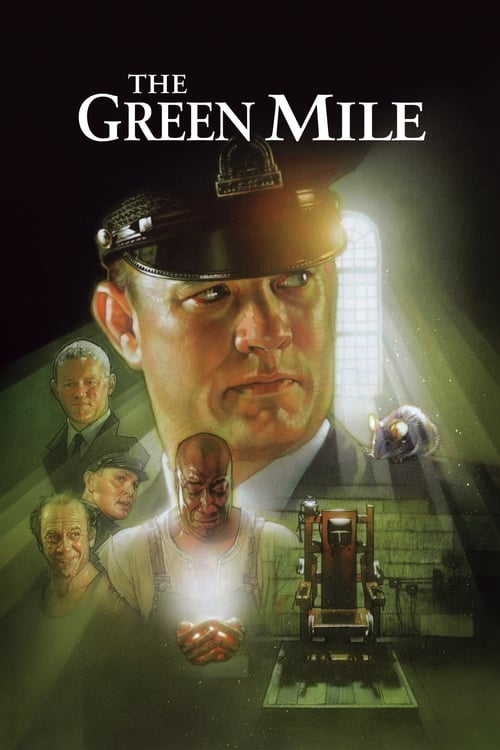
The Green Mile
1999 · Directed by Frank Darabont
Woke Score
CriticCritic Score
Audience
Based
Critics rated this 23 points above its woke score. Among Based films, this critic score ranks #233 of 345.
Representation Casting
Score: 35/100
The film features a significant Black lead in Michael Clarke Duncan, but the character is written as a passive, childlike figure existing primarily for white emotional benefit. Supporting roles are sparse and similarly constrained.
LGBTQ+ Themes
Score: 0/100
No LGBTQ+ themes or representation present in the film.
Feminist Agenda
Score: 15/100
The film features Bonnie Hunt as a guard and a few female characters, but they are peripheral and largely decorative. Gender dynamics are not meaningfully explored.
Racial Consciousness
Score: 45/100
The film engages with capital punishment and systemic injustice affecting a Black man, but through a white perspective that centers white moral awakening rather than Black experience. Racial specificity is absent.
Climate Crusade
Score: 0/100
No climate-related themes or environmental consciousness present in the film.
Eat the Rich
Score: 10/100
The film critiques institutional cruelty but does not engage with capitalist systems or economic justice. The critique remains at the level of individual morality.
Body Positivity
Score: 0/100
No body positivity messaging or themes related to body image appear in the film.
Neurodivergence
Score: 5/100
Coffey is portrayed with some characteristics that might suggest neurodivergence, but this is never named or meaningfully explored as part of his identity.
Revisionist History
Score: 15/100
The film engages with historical injustice (capital punishment, racial dynamics in the Jim Crow South) but does not substantially revise or complicate the historical record in a contemporary revisionist sense.
Lecture Energy
Score: 40/100
The film's moral messages about empathy, forgiveness, and the wrongness of execution are delivered with considerable earnestness and emotional weight, though it avoids explicit preachiness.


Synopsis
A supernatural tale set on death row in a Southern prison, where gentle giant John Coffey possesses the mysterious power to heal people's ailments. When the cell block's head guard, Paul Edgecomb, recognizes Coffey's miraculous gift, he tries desperately to help stave off the condemned man's execution.
Consciousness Assessment
The Green Mile occupies an uncomfortable space in the cultural conversation. On the surface, the film appears sympathetic to the plight of John Coffey, a Black death row inmate whose supernatural compassion exposes the cruelty of capital punishment and systemic injustice. Yet the entire narrative is filtered through the white gaze of Paul Edgecomb and his fellow guards, positioning white men as the moral arbiters of Coffey's fate. The film asks us to feel moved by the tragedy of Coffey's execution not because the system is fundamentally corrupt, but because this particular prisoner happens to be divinely innocent and magically capable of healing wounds. This is the essence of a savior narrative dressed in the clothes of social consciousness: the Black man must be literally supernatural to deserve redemption, and even then, his redemption comes through the recognition and tears of white observers.
The film's approach to racial injustice is deeply paternalistic. Coffey is depicted as a gentle giant, almost childlike in his purity and lack of agency. He accepts his fate with Christ-like resignation, existing primarily to teach white men about empathy and morality. Michael Clarke Duncan delivers a nuanced performance, but the character as written denies Coffey any complexity, anger, or resistance. He is a vessel for white emotional catharsis. The supporting Black characters, including Graham Greene's Native American guard, exist in similar configurations: noble, quiet, and ultimately peripheral to the narrative's moral journey. The film expresses sympathy for the oppressed without interrogating the systems that oppress them, and without allowing Black characters to be fully human agents in their own stories.
Where the film does show some cultural awareness is in its absolute condemnation of capital punishment and its depiction of institutional cruelty. The prison hierarchy is rendered with unflinching detail, and the film does not shy away from showing how the system destroys lives indiscriminately. However, this critique remains abstract and universal rather than grounded in the specific historical and racial dimensions of American capital punishment. The Green Mile is a film that wants credit for its progressive sympathies while maintaining the comfortable distance of the white observer. It is Oscar bait masquerading as social critique, well-intentioned but fundamentally limited by its refusal to center Black experience and agency.
Analysis generated by our Consciousness Algorithm
Critic Reviews
“So moving, so memorable, so magically produced, it's going to delight millions of movie fans and sweep the Oscars.”
“Above all a cracking good yarn that earns its laughter, its wonder and its tears.”
“As Darabont directs it, it tells a story with beginning, middle, end, vivid characters, humor, outrage and emotional release. Dickensian.”
“A lumbering, self-important three-hour melodrama that defies credibility at every turn.”
Consciousness Markers
The film features a significant Black lead in Michael Clarke Duncan, but the character is written as a passive, childlike figure existing primarily for white emotional benefit. Supporting roles are sparse and similarly constrained.
No LGBTQ+ themes or representation present in the film.
The film features Bonnie Hunt as a guard and a few female characters, but they are peripheral and largely decorative. Gender dynamics are not meaningfully explored.
The film engages with capital punishment and systemic injustice affecting a Black man, but through a white perspective that centers white moral awakening rather than Black experience. Racial specificity is absent.
No climate-related themes or environmental consciousness present in the film.
The film critiques institutional cruelty but does not engage with capitalist systems or economic justice. The critique remains at the level of individual morality.
No body positivity messaging or themes related to body image appear in the film.
Coffey is portrayed with some characteristics that might suggest neurodivergence, but this is never named or meaningfully explored as part of his identity.
The film engages with historical injustice (capital punishment, racial dynamics in the Jim Crow South) but does not substantially revise or complicate the historical record in a contemporary revisionist sense.
The film's moral messages about empathy, forgiveness, and the wrongness of execution are delivered with considerable earnestness and emotional weight, though it avoids explicit preachiness.