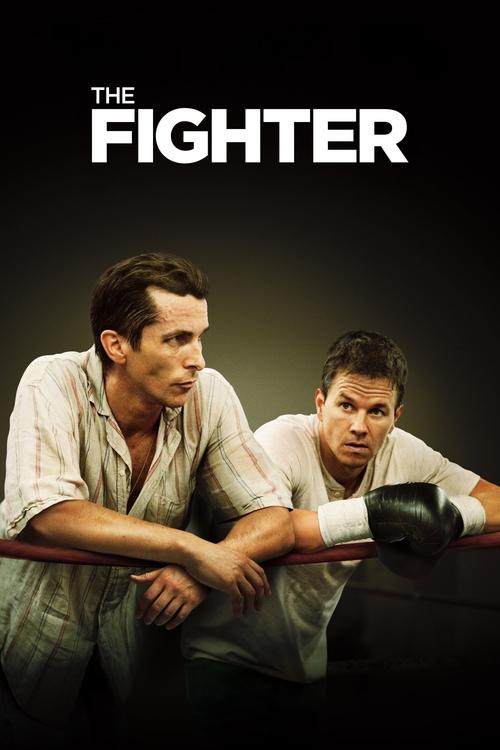
The Fighter
2010 · Directed by David O. Russell
Woke Score
CriticCritic Score
Audience
Ultra Based
Critics rated this 77 points above its woke score. Among Ultra Based films, this critic score ranks #388 of 1469.
Representation Casting
Score: 0/100
The cast reflects the demographic reality of the boxing world and Lowell, Massachusetts without any apparent consideration of representation as a value. No evidence of deliberate casting choices made for progressive representation purposes.
LGBTQ+ Themes
Score: 0/100
No LGBTQ+ themes, characters, or subtext are present in the film. The narrative focuses entirely on heterosexual family and romantic relationships within the boxing world.
Feminist Agenda
Score: 0/100
While Amy Adams and Melissa Leo deliver strong performances, their characters function within conventional family drama roles rather than as vehicles for feminist commentary or exploration of gender dynamics.
Racial Consciousness
Score: 0/100
The film contains no commentary on race relations, systemic racism, or racial identity. Characters are presented without reference to racial consciousness or identity politics.
Climate Crusade
Score: 0/100
No environmental themes, climate messaging, or ecological consciousness appears in the film. The narrative is entirely unconcerned with environmental issues.
Eat the Rich
Score: 5/100
The film depicts working-class struggle and poverty, but treats these as personal and family circumstances rather than as systemic critique. No anti-capitalist messaging or ideological framework is present.
Body Positivity
Score: 0/100
The film focuses on boxing physiology and athletic performance without any body positivity discourse or celebration of body diversity beyond athletic requirements.
Neurodivergence
Score: 0/100
No neurodivergent representation or discussion of neurodiversity is present. Characters with substance abuse issues are treated within the addiction narrative rather than through a neurodivergence lens.
Revisionist History
Score: 0/100
The film is based on the true story of Micky Ward and presents boxing history straightforwardly without any revisionist reframing of historical events.
Lecture Energy
Score: 0/100
The narrative maintains dramatic momentum without pausing for preachy exposition or moral instruction. Characters are shown rather than lectured to about their circumstances.


Synopsis
Boxer "Irish" Micky Ward's unlikely road to the world light welterweight title. His Rocky-like rise was shepherded by half-brother Dicky, a boxer-turned-trainer who rebounded in life after nearly being KO'd by drugs and crime.
Consciousness Assessment
The Fighter operates as a straightforward biographical sports drama, content to chronicle the rise of boxer Micky Ward without imposing contemporary ideological frameworks on his story. David O. Russell's film treats working-class Lowell, Massachusetts as a setting rather than a statement, depicting family dysfunction, addiction, and the pursuit of athletic excellence with conventional narrative earnestness. The cast delivers committed performances, particularly Christian Bale's Oscar-winning turn as Dicky Eklund, but the film maintains a deliberate distance from any progressive social commentary. The two significant female characters, played by Amy Adams and Melissa Leo, exist within the family drama rather than as vehicles for exploring gender dynamics or power structures. Melissa Leo's Oscar-winning performance as Micky's domineering mother functions within the narrative's emotional logic, not as a commentary on maternal authority or domestic systems. The film's Lowell setting and working-class focus might suggest an engagement with economic struggle, but it resists any impulse toward systemic critique or anti-capitalist messaging. This is a film about people contending with poverty, addiction, and family chaos that declines the opportunity to weaponize these circumstances for ideological instruction. One observes no climate awareness, no racial consciousness work, no celebration of body diversity beyond the physical demands of boxing, no neurodivergent representation, and no lecture-like preachiness. The Fighter belongs to an earlier cinematic tradition in which such subjects could be treated as human stories rather than as material for social awareness campaigns.
Analysis generated by our Consciousness Algorithm
Critic Reviews
“A movie so rousing, so real and so full of complicated emotions that it all feels brand-new.”
“That rare film in which every performer in it leaves the viewer in awe.”
“Virtually flawless performances and directorial execution render The Fighter one of the most thrilling movies of 2010. ”
“Pity the boxing movie that thinks it can be both "Raging Bull" and "Rocky." ”
Consciousness Markers
The cast reflects the demographic reality of the boxing world and Lowell, Massachusetts without any apparent consideration of representation as a value. No evidence of deliberate casting choices made for progressive representation purposes.
No LGBTQ+ themes, characters, or subtext are present in the film. The narrative focuses entirely on heterosexual family and romantic relationships within the boxing world.
While Amy Adams and Melissa Leo deliver strong performances, their characters function within conventional family drama roles rather than as vehicles for feminist commentary or exploration of gender dynamics.
The film contains no commentary on race relations, systemic racism, or racial identity. Characters are presented without reference to racial consciousness or identity politics.
No environmental themes, climate messaging, or ecological consciousness appears in the film. The narrative is entirely unconcerned with environmental issues.
The film depicts working-class struggle and poverty, but treats these as personal and family circumstances rather than as systemic critique. No anti-capitalist messaging or ideological framework is present.
The film focuses on boxing physiology and athletic performance without any body positivity discourse or celebration of body diversity beyond athletic requirements.
No neurodivergent representation or discussion of neurodiversity is present. Characters with substance abuse issues are treated within the addiction narrative rather than through a neurodivergence lens.
The film is based on the true story of Micky Ward and presents boxing history straightforwardly without any revisionist reframing of historical events.
The narrative maintains dramatic momentum without pausing for preachy exposition or moral instruction. Characters are shown rather than lectured to about their circumstances.