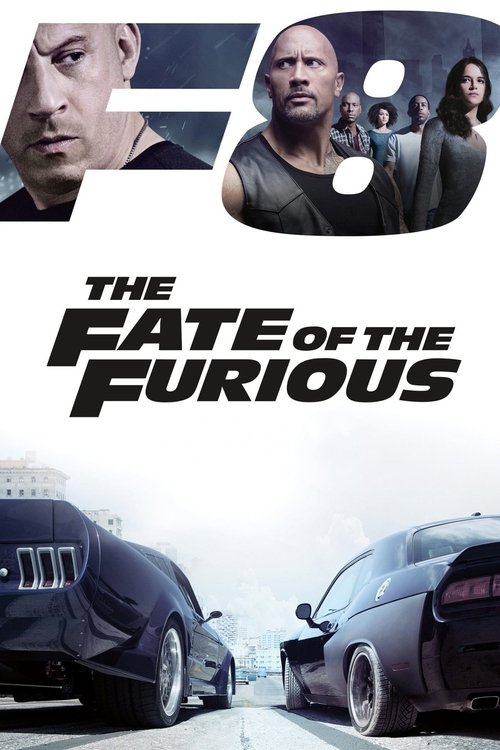
The Fate of the Furious
2017 · Directed by F. Gary Gray
Woke Score
CriticCritic Score
Audience
Based
Critics rated this 21 points above its woke score. Among Based films, this critic score ranks #269 of 345.
Representation Casting
Score: 65/100
The ensemble features genuine demographic diversity with Michelle Rodriguez, Tyrese Gibson, Ludacris, Nathalie Emmanuel, and others in substantive roles. However, diversity is presented as incidental rather than thematic.
LGBTQ+ Themes
Score: 0/100
No LGBTQ+ characters or themes are present in the film. Sexuality is not addressed or explored.
Feminist Agenda
Score: 28/100
Michelle Rodriguez occupies a capable action role, but the female characters lack agency in the central plot. Charlize Theron's antagonist is underwritten and primarily serves the male protagonist's arc.
Racial Consciousness
Score: 35/100
The film features a multiracial cast operating as equals within the ensemble, but there is no explicit engagement with racial themes or racial dynamics. Diversity exists without commentary.
Climate Crusade
Score: 0/100
Environmental themes are entirely absent. The film shows no concern for ecological impact or climate issues.
Eat the Rich
Score: 15/100
While the franchise involves criminals, there is no critique of capitalism or wealth inequality. The conflict is personal rather than systemic.
Body Positivity
Score: 10/100
The film celebrates muscular, hyper-masculine physiques as the action film genre demands. No alternative body types are represented or valorized.
Neurodivergence
Score: 0/100
No neurodivergent characters or themes are present. Neurodiversity is not addressed.
Revisionist History
Score: 0/100
The film contains no historical claims or revisionist historical narratives. It is set in a contemporary fictional universe.
Lecture Energy
Score: 20/100
The film occasionally invokes themes of family loyalty and togetherness, but these are delivered through plot and action rather than dialogue. Minimal preachy elements present.


Synopsis
When a mysterious woman seduces Dom into the world of crime and a betrayal of those closest to him, the crew face trials that will test them as never before.
Consciousness Assessment
The Fate of the Furious represents the Fast and Furious franchise at its point of maximum demographic inclusivity, a development that arrived through commercial calculation rather than artistic conviction. The ensemble cast reflects genuine diversity, with Michelle Rodriguez and Nathalie Emmanuel occupying substantive roles alongside the male action stars, and the film's emphasis on chosen family over biological ties carries a faint echo of progressive values. Yet these elements exist in service of a narrative that remains fundamentally committed to spectacle and vengeance, with no particular interest in interrogating the systems that produce its conflicts.
Director F. Gary Gray, fresh from his success with Straight Outta Compton, brings a degree of cultural awareness to the proceedings, but the film stops well short of any meaningful social commentary. Charlize Theron's antagonist is less a character than a plot device, and the film's vision of global crime syndicates lacks any substantive critique of capitalism or power structures. The screenplay treats its diverse cast members as action figures to be arranged and deployed, not as human beings with interior lives shaped by their identities or experiences.
What we see is a film that benefits aesthetically from its inclusive casting while remaining ideologically inert. We are meant to read the multiracial ensemble as progressive simply by existing, a form of representation without consciousness. The Fast and Furious franchise would go on to become more explicitly engaged with its own mythology and themes, but in 2017 it remained content to deliver explosions and family rhetoric in equal measure, asking no difficult questions of itself or its audience.
Analysis generated by our Consciousness Algorithm
Critic Reviews
“Diesel and Johnson are at their testosterone-charged best. Theron, who seems to be auditioning to become the next Bond villain, is ruthlessness personified.”
“I lost count but the word “family” is mentioned upwards of 50 times, many more times than it is in, say, Lilo & Stitch. Yes, it is way too much, like everything else in this aggressively over-the-top film, but at the same time, it just feels nice to be part of the group.”
“The Fate of the Furious is almost impossible not to like. It achieves exactly what it sets out to do, successfully lighting up the brain’s pleasure centers at each opportunity with a variety of tools in its arsenal.”
“Who am I to call it soulless, graceless, witless, incoherent — even for the franchise — and, not incidentally, brain-numbingly long at 136 minutes?”
Consciousness Markers
The ensemble features genuine demographic diversity with Michelle Rodriguez, Tyrese Gibson, Ludacris, Nathalie Emmanuel, and others in substantive roles. However, diversity is presented as incidental rather than thematic.
No LGBTQ+ characters or themes are present in the film. Sexuality is not addressed or explored.
Michelle Rodriguez occupies a capable action role, but the female characters lack agency in the central plot. Charlize Theron's antagonist is underwritten and primarily serves the male protagonist's arc.
The film features a multiracial cast operating as equals within the ensemble, but there is no explicit engagement with racial themes or racial dynamics. Diversity exists without commentary.
Environmental themes are entirely absent. The film shows no concern for ecological impact or climate issues.
While the franchise involves criminals, there is no critique of capitalism or wealth inequality. The conflict is personal rather than systemic.
The film celebrates muscular, hyper-masculine physiques as the action film genre demands. No alternative body types are represented or valorized.
No neurodivergent characters or themes are present. Neurodiversity is not addressed.
The film contains no historical claims or revisionist historical narratives. It is set in a contemporary fictional universe.
The film occasionally invokes themes of family loyalty and togetherness, but these are delivered through plot and action rather than dialogue. Minimal preachy elements present.