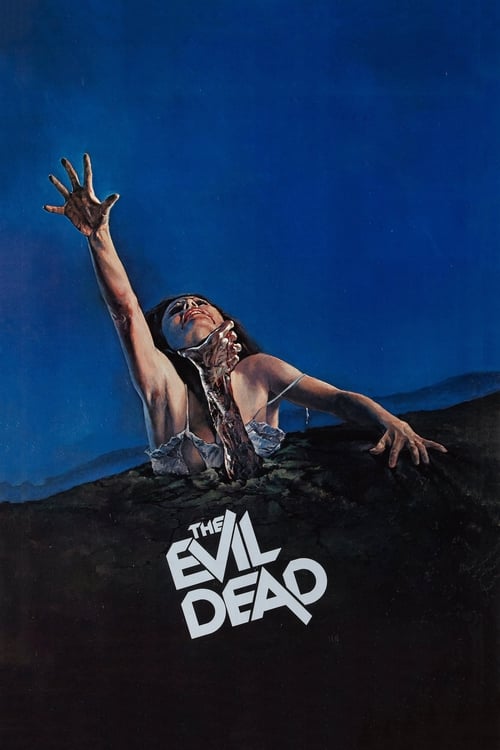
The Evil Dead
1981 · Directed by Sam Raimi
Woke Score
CriticCritic Score
Audience
Ultra Based
Critics rated this 69 points above its woke score. Among Ultra Based films, this critic score ranks #606 of 1469.
Representation Casting
Score: 0/100
The cast is entirely white with one female character among five leads. No intentional diversity casting or progressive representation is evident.
LGBTQ+ Themes
Score: 0/100
No LGBTQ+ characters, themes, or representation of any kind appear in the film.
Feminist Agenda
Score: 0/100
While Cheryl is a female character, the film contains no feminist messaging, critique of patriarchy, or gender-conscious themes.
Racial Consciousness
Score: 0/100
The film contains no racial themes, commentary on race, or any evidence of racial consciousness.
Climate Crusade
Score: 0/100
No environmental or climate-related themes appear in the film.
Eat the Rich
Score: 0/100
The film contains no critique of capitalism, class systems, or wealth inequality.
Body Positivity
Score: 0/100
While the film features body horror through gore and practical effects, this is genre convention without commentary on bodies or body positivity.
Neurodivergence
Score: 0/100
No representation of or themes related to neurodivergence appear in the film.
Revisionist History
Score: 0/100
The film contains no historical content or revisionist historical narratives.
Lecture Energy
Score: 2/100
The sole element scoring above zero is the minimal supernatural exposition delivered through the audio tape and Sumerian mythology, though this is purely plot mechanics rather than preachy messaging.


Synopsis
In 1979, a group of college students find a Sumerian Book of the Dead in an old wilderness cabin they've rented for a weekend getaway.
Consciousness Assessment
Sam Raimi's feature directorial debut is an exercise in visceral horror unencumbered by the weight of social consciousness. The Evil Dead exists as pure genre machinery, a film whose sole objective is to terrify and unsettle through practical effects, inventive camera work, and relentless pacing. The five college students trapped in an isolated cabin face demonic possession and mutilation without a single moment devoted to examining their identities or circumstances through any lens of contemporary progressive concern.
The film's indifference to modern social sensibilities is so complete as to be almost refreshing. Cheryl Williams, the female character played by Ellen Sandweiss, is not presented as a progressive counterweight to male authority or as a corrective to patriarchal structures. She is simply another victim in a cabin of victims. The absence of diversity in the cast reflects not a statement about casting but merely the economic and social reality of low-budget independent horror in 1981. There are no lectures, no moments of self-aware cultural messaging, no attempts to signal awareness of systemic inequities.
What we have instead is a film so committed to its genre that it barely acknowledges the existence of the world outside its cabin. This is not morally superior to more socially conscious filmmaking, but it is honest in its singular purpose. The Evil Dead has aged into its cult status precisely because it makes no attempt to be anything other than what it is: a horror film about survival and supernatural malevolence. In the landscape of contemporary cinema, such artistic singularity reads almost as an act of rebellion.
Analysis generated by our Consciousness Algorithm
Critic Reviews
“Unquestionalby it's an instant classic, probably the grisliest well-made movie ever. [26 May 1983]”
“Then the carnage comes, and when it does, it delivers on all promises and more, with a parade of gushing wounds, demonic howls, and oceans of gore which approach the line of good taste, toe it, then gleefully dance across. [22 Sept 2010]”
“While injecting considerable black humor, neophyte Detroit-based writer-director Sam Raimi maintains suspense and a nightmarish mood in between the showy outbursts of special effects gore and graphic violence which are staples of modern horror pictures.”
“Too bad it's hog-tied by a ridiculously familiar plot, uneven direction and characters of such dizzying simplicity that you wish the demons would get to them just to smack some sense into their heads. [26 Sept 1983, p.D3]”
Consciousness Markers
The cast is entirely white with one female character among five leads. No intentional diversity casting or progressive representation is evident.
No LGBTQ+ characters, themes, or representation of any kind appear in the film.
While Cheryl is a female character, the film contains no feminist messaging, critique of patriarchy, or gender-conscious themes.
The film contains no racial themes, commentary on race, or any evidence of racial consciousness.
No environmental or climate-related themes appear in the film.
The film contains no critique of capitalism, class systems, or wealth inequality.
While the film features body horror through gore and practical effects, this is genre convention without commentary on bodies or body positivity.
No representation of or themes related to neurodivergence appear in the film.
The film contains no historical content or revisionist historical narratives.
The sole element scoring above zero is the minimal supernatural exposition delivered through the audio tape and Sumerian mythology, though this is purely plot mechanics rather than preachy messaging.