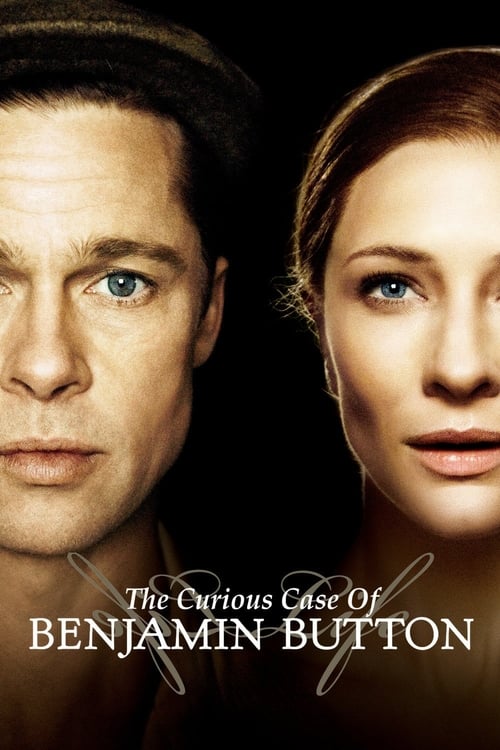
The Curious Case of Benjamin Button
2008 · Directed by David Fincher
Woke Score
CriticCritic Score
Audience
Ultra Based
Critics rated this 66 points above its woke score. Among Ultra Based films, this critic score ranks #630 of 1469.
Representation Casting
Score: 15/100
The cast includes actors of color in supporting roles that fit naturally into the narrative without foregrounding representation as a theme. Taraji P. Henson appears as Daisy's mother in a non-stereotypical role, but the film shows no particular consciousness around casting diversity.
LGBTQ+ Themes
Score: 0/100
No LGBTQ+ themes, characters, or references are present in the film. The narrative focuses entirely on heterosexual romance.
Feminist Agenda
Score: 8/100
Daisy is a dancer and pursues her artistic ambitions, showing some agency. However, her narrative primarily orbits Benjamin's existence, and the film ultimately centers his perspective and romantic fulfillment rather than exploring her experience or autonomy.
Racial Consciousness
Score: 0/100
The film contains no examination of racial dynamics, history, or social structures. While set in New Orleans, it does not engage with the city's racial complexity or use its setting as anything beyond aesthetic backdrop.
Climate Crusade
Score: 0/100
Environmental themes are entirely absent from the narrative. The film contains no climate consciousness or ecological commentary.
Eat the Rich
Score: 5/100
Benjamin's journey includes encounters with wealth and poverty, but these are presented as plot elements rather than social critique. The film shows no sustained questioning of economic structures or capitalist systems.
Body Positivity
Score: 10/100
The film's central premise involves changing bodies and aging, which could theoretically engage with body acceptance themes. However, it treats aging primarily as tragedy and loss rather than exploring diverse embodiment or challenging beauty standards.
Neurodivergence
Score: 0/100
No neurodivergent characters or themes are present in the film. Benjamin's condition is presented as a medical curiosity rather than explored through disability or neurodiversity frameworks.
Revisionist History
Score: 0/100
The film contains no engagement with historical narratives, revisionist or otherwise. It exists in a timeless romantic register that avoids historical specificity or commentary.
Lecture Energy
Score: 2/100
The narrative does not pause to deliver preachy messages or moral lectures. The film trusts viewers to extract meaning from its romantic fable, maintaining a light touch with thematic content.


Synopsis
Born under unusual circumstances, Benjamin Button springs into being as an elderly man in a New Orleans nursing home and ages in reverse. Twelve years after his birth, he meets Daisy, a child who flits in and out of his life as she grows up to be a dancer. Though he has all sorts of unusual adventures over the course of his life, it is his relationship with Daisy, and the hope that they will come together at the right time, that drives Benjamin forward.
Consciousness Assessment
David Fincher's 2008 romantic fantasy operates in a register entirely divorced from contemporary social consciousness. The film concerns itself with aging, mortality, and romantic destiny, treating these themes as universal human conditions rather than sites for ideological interrogation. Benjamin Button's reverse aging serves as metaphysical meditation rather than commentary on embodiment, disability, or the social construction of the life cycle. The narrative framework remains individualistic and apolitical, focused on personal experience and intimate relationships rather than systemic examination.
The cast includes Taraji P. Henson in a supporting role as Daisy's mother, presenting her as a domestic figure within the story's Louisiana setting. Her presence registers as natural to the period and setting without attempting to foreground or examine racial dynamics. The film does not engage with New Orleans' complex racial history or the social dimensions of its setting. Instead, it uses the city as aesthetic backdrop for a timeless love story. Fincher's visual language privileges technical virtuosity and romantic spectacle over social awareness.
The film's engagement with progressive themes remains minimal. Daisy pursues her ambitions as a dancer, showing some agency, but her narrative ultimately orbits Benjamin's existence. The entire enterprise resists the impulse toward contemporary social messaging, operating instead within classical Hollywood conventions of fate, beauty, and romantic completion.
Analysis generated by our Consciousness Algorithm
Critic Reviews
“Superbly made and winningly acted by Brad Pitt in his most impressive outing to date.”
“It takes a world-class storyteller and a great yarn to rivet your attention for nearly three hours. This very classy, old-school movie - employing cutting-edge technology that will make your eyes pop - did it for me.”
“Naturally, Pitt and Blanchett are outstanding. Fincher's meticulous attention to detail is unerring, down to the light fixtures.”
“The movie's excruciating length is without dramatic or thematic justification.”
Consciousness Markers
The cast includes actors of color in supporting roles that fit naturally into the narrative without foregrounding representation as a theme. Taraji P. Henson appears as Daisy's mother in a non-stereotypical role, but the film shows no particular consciousness around casting diversity.
No LGBTQ+ themes, characters, or references are present in the film. The narrative focuses entirely on heterosexual romance.
Daisy is a dancer and pursues her artistic ambitions, showing some agency. However, her narrative primarily orbits Benjamin's existence, and the film ultimately centers his perspective and romantic fulfillment rather than exploring her experience or autonomy.
The film contains no examination of racial dynamics, history, or social structures. While set in New Orleans, it does not engage with the city's racial complexity or use its setting as anything beyond aesthetic backdrop.
Environmental themes are entirely absent from the narrative. The film contains no climate consciousness or ecological commentary.
Benjamin's journey includes encounters with wealth and poverty, but these are presented as plot elements rather than social critique. The film shows no sustained questioning of economic structures or capitalist systems.
The film's central premise involves changing bodies and aging, which could theoretically engage with body acceptance themes. However, it treats aging primarily as tragedy and loss rather than exploring diverse embodiment or challenging beauty standards.
No neurodivergent characters or themes are present in the film. Benjamin's condition is presented as a medical curiosity rather than explored through disability or neurodiversity frameworks.
The film contains no engagement with historical narratives, revisionist or otherwise. It exists in a timeless romantic register that avoids historical specificity or commentary.
The narrative does not pause to deliver preachy messages or moral lectures. The film trusts viewers to extract meaning from its romantic fable, maintaining a light touch with thematic content.