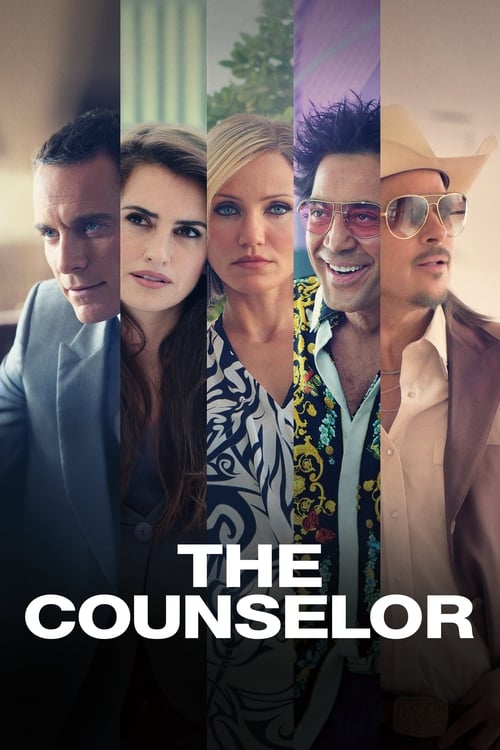
The Counselor
2013 · Directed by Ridley Scott
Woke Score
CriticCritic Score
Audience
Ultra Based
Critics rated this 33 points above its woke score. Among Ultra Based films, this critic score ranks #1199 of 1469.
Representation Casting
Score: 20/100
The cast includes Penélope Cruz, Cameron Diaz, Javier Bardem, and other actors of color, but they are deployed primarily as aesthetic elements rather than fully realized characters with agency or perspective.
LGBTQ+ Themes
Score: 0/100
No LGBTQ+ themes, representation, or plot elements present in the film.
Feminist Agenda
Score: 5/100
Cameron Diaz's character is primarily sexualized and positioned as a threat rather than a sympathetic figure, reflecting traditional masculine crime narrative conventions without interrogation.
Racial Consciousness
Score: 15/100
While the film engages with the U.S.-Mexico drug trade and features Latinx characters, it does not examine structural racism, border politics, or power imbalances; the setting serves as backdrop rather than subject.
Climate Crusade
Score: 0/100
No climate-related themes or messaging present in the film.
Eat the Rich
Score: 25/100
The film critiques greed and the corrupting influence of money, but this operates as moral fable rather than systemic critique of capitalism or institutions.
Body Positivity
Score: 0/100
No body positivity themes or representation present in the film.
Neurodivergence
Score: 0/100
No neurodivergent characters or themes present in the film.
Revisionist History
Score: 0/100
The film does not attempt to reframe historical events or challenge established historical narratives.
Lecture Energy
Score: 10/100
The narrative contains philosophical monologues and reflective moments that approach preachiness, though these serve character development rather than explicit messaging.


Synopsis
A lawyer finds himself in far over his head when he attempts to get involved in drug trafficking.
Consciousness Assessment
The Counselor is a grimly efficient vehicle for demonstrating how a film can simultaneously feature a diverse cast and remain almost completely indifferent to the question of representation. Penélope Cruz, Cameron Diaz, and Javier Bardem are deployed across the narrative with the same aesthetic precision that Ridley Scott applies to his compositions, which is to say they function as visual elements rather than fully realized perspectives. The film's engagement with the U.S.-Mexico drug trade, while thematically relevant to contemporary concerns about border violence, never graduates to systematic critique. We are presented with a morality tale about greed rather than an examination of structural power imbalances or the mechanics of drug trafficking that might implicate larger systems.
The screenplay by Cormac McCarthy, his first original work for cinema, trades in the familiar currency of masculine fatalism and inevitable doom. There is no interrogation of gender dynamics, no meaningful engagement with questions of bodily autonomy, no attempt to render the Latinx characters as anything more than color and menace in the background. The violence is stylized and consequential only insofar as it affects the white male protagonist. When Cameron Diaz's character is introduced, she functions primarily as a sexualized threat, a departure from more sympathetic female characterization that might have suggested some consciousness of how women are typically positioned in crime narratives.
The film's commercial failure and subsequent critical reassessment have centered on its narrative complexity and tonal uncertainty, not on its ideological commitments or lack thereof. There is something almost admirable in its refusal to perform progressive sensibility while simultaneously depicting the collateral damage of the drug trade. It is simply not interested in such performances. For the purposes of this assessment, that disinterest registers as a near-complete absence of the cultural markers we are evaluating.
Analysis generated by our Consciousness Algorithm
Critic Reviews
“The Counselor achieves the almost unheard-of daily double of giving us the most outrageous sex scene of the year AND the most unforgettably brutal murder of the year. This is a badass journey from start to finish.”
“Mr. Scott’s seriousness isn’t always well served by the scripts he films, but in Mr. McCarthy he has found a partner with convictions about good and evil rather than canned formula.”
“The Counselor explodes with violence that is grisly, but not gratuitous: McCarthy has a point to make. Wars create monsters, and the drug war is no exception.”
“The Counselor is nothing but a dumb, gory, grab-bag of clichés and the biggest waste of talent since "Savages." It makes Oliver Stone look subtle.”
Consciousness Markers
The cast includes Penélope Cruz, Cameron Diaz, Javier Bardem, and other actors of color, but they are deployed primarily as aesthetic elements rather than fully realized characters with agency or perspective.
No LGBTQ+ themes, representation, or plot elements present in the film.
Cameron Diaz's character is primarily sexualized and positioned as a threat rather than a sympathetic figure, reflecting traditional masculine crime narrative conventions without interrogation.
While the film engages with the U.S.-Mexico drug trade and features Latinx characters, it does not examine structural racism, border politics, or power imbalances; the setting serves as backdrop rather than subject.
No climate-related themes or messaging present in the film.
The film critiques greed and the corrupting influence of money, but this operates as moral fable rather than systemic critique of capitalism or institutions.
No body positivity themes or representation present in the film.
No neurodivergent characters or themes present in the film.
The film does not attempt to reframe historical events or challenge established historical narratives.
The narrative contains philosophical monologues and reflective moments that approach preachiness, though these serve character development rather than explicit messaging.