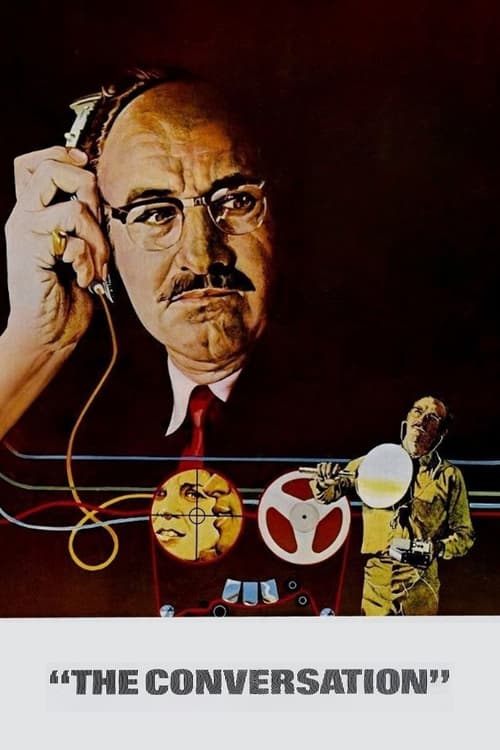
The Conversation
1974 · Directed by Francis Ford Coppola
Woke Score
CriticCritic Score
Audience
Ultra Based
Critics rated this 84 points above its woke score. Among Ultra Based films, this critic score ranks #182 of 1469.
Representation Casting
Score: 0/100
The cast reflects 1974 Hollywood demographics without any conscious diversity strategy or commentary on representation.
LGBTQ+ Themes
Score: 0/100
No LGBTQ+ characters, themes, or subtext present in the film.
Feminist Agenda
Score: 0/100
No feminist agenda or gender-consciousness evident; women characters serve functional roles without thematic emphasis on gender politics.
Racial Consciousness
Score: 0/100
No racial themes, commentary, or consciousness about systemic racism present in the narrative.
Climate Crusade
Score: 0/100
No climate-related themes or environmental messaging whatsoever.
Eat the Rich
Score: 0/100
While the film involves corporate surveillance, it does not critique capitalism or espouse anti-capitalist ideology.
Body Positivity
Score: 0/100
No body positivity messaging or subversive representation of non-normative bodies.
Neurodivergence
Score: 0/100
No representation of neurodivergent characters or celebration of neurodiversity.
Revisionist History
Score: 0/100
The film does not rewrite or reinterpret historical events through a contemporary lens.
Lecture Energy
Score: 2/100
Minimal preachy messaging; the film trusts viewers to extract moral themes organically rather than spelling out lessons about surveillance ethics.


Synopsis
A paranoid, secretive surveillance expert has a crisis of conscience when he suspects that the couple he is spying on will be murdered.
Consciousness Assessment
Francis Ford Coppola's "The Conversation" represents surveillance paranoia in its purest, most apolitical form. Released in 1974, the film concerns itself with the moral weight of voyeurism and the individual conscience of a recording technician, not with systems of oppression or collective liberation. Gene Hackman's Harry Caul is a man undone by his own professional detachment, a psychological study rather than a critique of state power structures or corporate malfeasance. The film's power derives from its refusal to heavy-handedly explain what we are watching, trusting instead in mood, ambiguity, and the viewer's own discomfort.
The picture was constructed in an era before contemporary progressive sensibilities had calcified into their modern forms. Its cast reflects the demographic makeup of 1974 Hollywood without commentary or self-consciousness. There are no discussions of systemic injustice, no visible queer characters or storylines, no performative inclusion, no characters positioned as victims of structural oppression. The film is simply a taut thriller about a man's ethical crisis, concerned more with the metaphysical dread of being watched than with social justice frameworks.
One might note that the film's preoccupation with surveillance technology and its potential for abuse contains seeds that later critics would harvest for contemporary readings. Yet the film itself makes no such argument. It presents a world of moral ambiguity where Harry Caul's guilt is personal, not political, and where the machinery of surveillance operates without reference to whose surveillance it is or for what ends. This is not progressive cinema. It is cinema of a different era entirely.
Analysis generated by our Consciousness Algorithm
Critic Reviews
“As he is played by Gene Hackman in The Conversation, an expert wiretapper named Harry Caul is one of the most affecting and tragic characters in the movies.”
“The Conversation could have used a great deal more vulgar curiosity about its own plot and its own characters. Coppola's good taste has been misplaced on this occasion, but he remains one of our most promising new filmmakers nonetheless. [20 June 1974, p.78]”
Consciousness Markers
The cast reflects 1974 Hollywood demographics without any conscious diversity strategy or commentary on representation.
No LGBTQ+ characters, themes, or subtext present in the film.
No feminist agenda or gender-consciousness evident; women characters serve functional roles without thematic emphasis on gender politics.
No racial themes, commentary, or consciousness about systemic racism present in the narrative.
No climate-related themes or environmental messaging whatsoever.
While the film involves corporate surveillance, it does not critique capitalism or espouse anti-capitalist ideology.
No body positivity messaging or subversive representation of non-normative bodies.
No representation of neurodivergent characters or celebration of neurodiversity.
The film does not rewrite or reinterpret historical events through a contemporary lens.
Minimal preachy messaging; the film trusts viewers to extract moral themes organically rather than spelling out lessons about surveillance ethics.