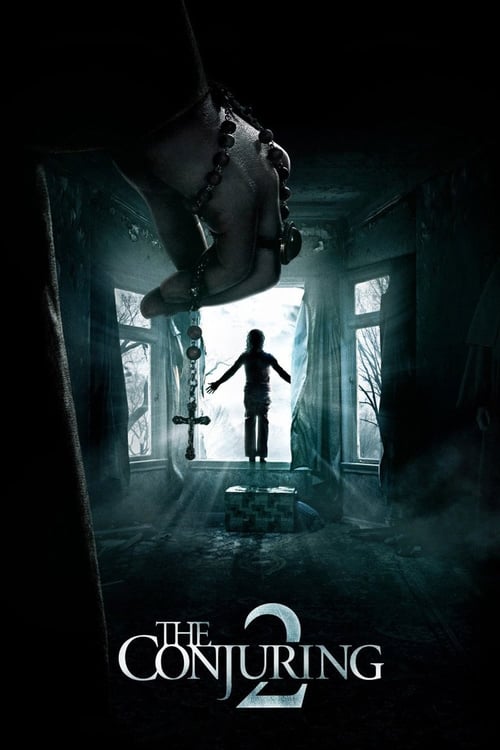
The Conjuring 2
2016 · Directed by James Wan
Woke Score
CriticCritic Score
Audience
Ultra Based
Critics rated this 61 points above its woke score. Among Ultra Based films, this critic score ranks #765 of 1469.
Representation Casting
Score: 15/100
The cast is predominantly white with minimal racial diversity. Main roles are occupied by Vera Farmiga and Patrick Wilson, reflecting conventional Hollywood casting practices.
LGBTQ+ Themes
Score: 0/100
No LGBTQ+ representation, themes, or subtext present in the film. The narrative centers entirely on heterosexual relationships and family dynamics.
Feminist Agenda
Score: 20/100
While a single mother is a central character, her struggles are presented as plot devices for horror rather than as commentary on gender or feminist themes.
Racial Consciousness
Score: 0/100
The film shows no engagement with race, racial dynamics, or cultural consciousness despite being set in north London. These dimensions are entirely absent from the narrative.
Climate Crusade
Score: 0/100
No environmental or climate-related themes appear in this supernatural horror film.
Eat the Rich
Score: 10/100
The economic struggles of the single mother are implied but never presented as social critique or commentary on capitalist systems.
Body Positivity
Score: 0/100
The film contains no body positivity messaging or commentary on physical appearance and acceptance.
Neurodivergence
Score: 0/100
No representation of or engagement with neurodivergence in any form.
Revisionist History
Score: 0/100
The film is based on a true case from 1977 but presents historical events straightforwardly without revisionist interpretation or commentary.
Lecture Energy
Score: 5/100
The film is a conventional horror narrative with minimal preachy elements, though the paranormal investigators occasionally explain supernatural phenomena in expository dialogue.


Synopsis
Lorraine and Ed Warren travel to north London to help a single mother raising four children alone in a house plagued by malicious spirits.
Consciousness Assessment
The Conjuring 2 represents the aesthetic and thematic priorities of mainstream American horror cinema in the mid-2010s, which is to say it has none of the preoccupations that would register on a social consciousness meter. James Wan's film concerns itself entirely with the mechanics of supernatural dread, the chemistry between its paranormal investigators, and the escalating hauntings that plague a London household. The presence of a single mother as the primary victim of the poltergeist is incidental to the narrative's structure, not a statement on economic precarity or the gendered dimensions of domestic vulnerability.
The film operates in the register of classical haunted house horror, indebted to 1970s genre conventions, and maintains scrupulous fidelity to this lineage. Its single mother character exists to be imperiled and protected rather than to embody any particular social commentary. There is no interrogation of class, no examination of racial dynamics in the London setting, no queer subtext lurking beneath the heterosexual marital partnership of the Warrens. The film is what it appears to be: a competently executed supernatural thriller with no interest in the contemporary cultural conversations that animate progressive cinema.
This is not a criticism so much as an observation about categorical clarity. The Conjuring 2 exists in a separate universe from films engaged with questions of representation, systemic justice, or cultural awareness. It is a film about evil spirits, not about society. Judged on its own terms, it succeeds entirely. Judged on the axis of progressive cultural sensibility, it registers as a void, which is precisely the point.
Analysis generated by our Consciousness Algorithm
Critic Reviews
“With a rich supporting cast, a smart script, and an ensemble that is put through their paces in some intense physical scenes, The Conjuring 2 is that rare horror sequel that stands toe to toe with the original, possibly even improving on it.”
“Director James Wan has delivered what should rightfully be considered his masterpiece. There is a breadth and scale of ambition at work, which really tops anything he's tried in the genre before. Most importantly: it's a resounding success.”
“Wan's secret weapons are clearly Wilson and Farmiga, both such good actors they're able to sell the audience on everything the Warrens experience. The duo also does a great job selling the romantic bond between the Warrens, which helps you fall in love with them as much as you end up falling for the entire Hodgson family.”
“If The Conjuring is an example of the haunted house movie done right, The Conjuring 2 is an example of everything gone wrong. You can only retread old tropes so many times.”
Consciousness Markers
The cast is predominantly white with minimal racial diversity. Main roles are occupied by Vera Farmiga and Patrick Wilson, reflecting conventional Hollywood casting practices.
No LGBTQ+ representation, themes, or subtext present in the film. The narrative centers entirely on heterosexual relationships and family dynamics.
While a single mother is a central character, her struggles are presented as plot devices for horror rather than as commentary on gender or feminist themes.
The film shows no engagement with race, racial dynamics, or cultural consciousness despite being set in north London. These dimensions are entirely absent from the narrative.
No environmental or climate-related themes appear in this supernatural horror film.
The economic struggles of the single mother are implied but never presented as social critique or commentary on capitalist systems.
The film contains no body positivity messaging or commentary on physical appearance and acceptance.
No representation of or engagement with neurodivergence in any form.
The film is based on a true case from 1977 but presents historical events straightforwardly without revisionist interpretation or commentary.
The film is a conventional horror narrative with minimal preachy elements, though the paranormal investigators occasionally explain supernatural phenomena in expository dialogue.