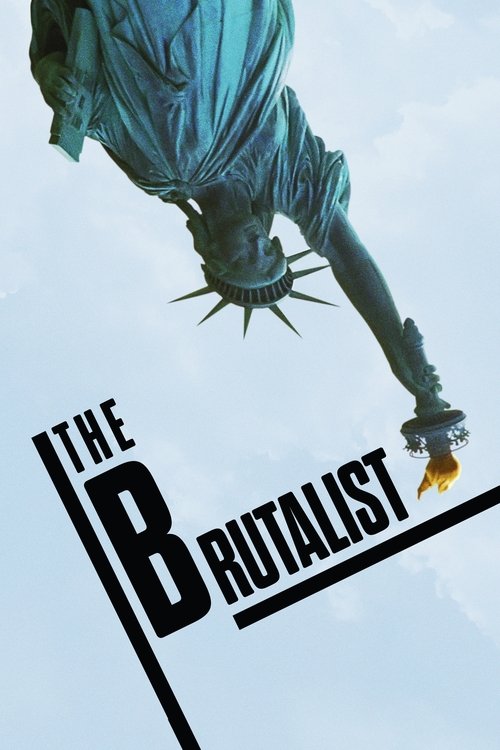
The Brutalist
2024 · Directed by Brady Corbet
Woke Score
CriticCritic Score
Audience
Based
Critics rated this 62 points above its woke score. Among Based films, this critic score ranks #20 of 345.
Representation Casting
Score: 35/100
Adrien Brody, a Jewish actor, plays a Jewish refugee architect, providing meaningful casting alignment with character background. However, the approach emphasizes character authenticity over representational statement.
LGBTQ+ Themes
Score: 0/100
No evidence of LGBTQ+ themes, characters, or subtext in the film's plot or critical reception.
Feminist Agenda
Score: 15/100
Felicity Jones appears as the architect's wife whose life is changed by events, but there is no indication of feminist framing or agenda beyond her presence as a character.
Racial Consciousness
Score: 25/100
The film addresses postwar Jewish refugee experience and displacement in America, touching on historical trauma. However, the framing prioritizes individual artistic achievement over explicit consciousness-raising.
Climate Crusade
Score: 0/100
No evidence of climate themes, activism, or environmental consciousness in this 1950s architectural drama.
Eat the Rich
Score: 40/100
The plot centers on tensions with a wealthy patron, and reviews note examination of a country that benefits from trauma and abuse. This suggests some critique of class dynamics and capitalist patronage, though the intent remains ambiguous.
Body Positivity
Score: 0/100
No evidence of body positivity themes, disability representation, or related messaging in the film.
Neurodivergence
Score: 0/100
No evidence of neurodivergence representation, autism coding, or related themes in the narrative.
Revisionist History
Score: 20/100
The film engages with postwar history and Jewish immigration as historical context for a fictional narrative, but does not appear to revise or reinterpret historical events themselves.
Lecture Energy
Score: 30/100
As an ambitious art-house drama about grand themes, there is some expository weight. However, the commitment to classical VistaVision aesthetics and visual storytelling suggests artistic priority over preachy messaging.


Synopsis
When an innovative modern architect flees post-war Europe, he is given the opportunity to rebuild his legacy. Set during the dawn of the modern United States (in Pennsylvania), his wife joins him, and their lives are forever changed by a demanding, wealthy patron.
Consciousness Assessment
Brady Corbet's "The Brutalist" is a work of formidable artistic ambition, shot in VistaVision and presented with the ceremonial apparatus of a bygone era. The film charts the trajectory of a Jewish Hungarian architect seeking to establish himself in postwar Pennsylvania, navigating the treacherous waters between artistic vision and financial patronage. Adrien Brody's casting lends authenticity to the immigrant narrative, and the film does not shy away from examining the moral compromises required to create beauty within systems of exploitation and wealth disparity.
Yet the film's engagement with social consciousness remains largely incidental to its central preoccupation with artistic achievement and personal ambition. The postwar Jewish refugee experience functions as historical context rather than contemporary social commentary. The wealthy patron emerges as a character study in human complexity rather than as a symbol of systemic critique. The film examines how individuals navigate institutional power, but it does so with the sensibility of a humanist drama concerned with universal truths about creation and belonging, not as an explicit indictment of capitalist structures or historical injustice.
This is a serious picture about serious matters, but its seriousness is directed toward aesthetic and philosophical questions rather than toward the specific constellation of progressive cultural concerns that define modern social consciousness. It stands as a work of craft and vision that happens to engage with themes of displacement and class, rather than a work designed to illuminate those themes through a contemporary lens.
Analysis generated by our Consciousness Algorithm
Critic Reviews
“As a state-of-the-US historical epic, it boasts all the thematic heft of Once Upon a Time in America or There Will Be Blood. (How did the wave of postwar immigrants remake America in their image – and how did America remake them in return?) But it’s also acted with the colour and fizz of a classical Hollywood comic drama, and shot with the loose, rangy energy of a 90-minute indie cult hit. The tonal mix feels completely unique, but it works. ”
“This film is monumental. It’s thrilling and emotional, quiet and observant, loud and furious. Corbet’s film is a provocative portrait of the pursuit of the American dream.”
“The Brutalist is less-than-perfect (for all his charms, Guy Pearce is no Philip Seymour Hoffman or Daniel Day-Lewis) but it offers an all-too-rare reminder of how it feels when this artform is at its very best, and that has less to do with the scale of its ambitions than how effectively it combines movement, emotion, and sound. ”
“With its clean lines and precise assembly, it's nearly devoid of fundamental practicalities, and, so, remains an idea for a movie about ideas, an outline for a drama that's still in search of its characters.”
Consciousness Markers
Adrien Brody, a Jewish actor, plays a Jewish refugee architect, providing meaningful casting alignment with character background. However, the approach emphasizes character authenticity over representational statement.
No evidence of LGBTQ+ themes, characters, or subtext in the film's plot or critical reception.
Felicity Jones appears as the architect's wife whose life is changed by events, but there is no indication of feminist framing or agenda beyond her presence as a character.
The film addresses postwar Jewish refugee experience and displacement in America, touching on historical trauma. However, the framing prioritizes individual artistic achievement over explicit consciousness-raising.
No evidence of climate themes, activism, or environmental consciousness in this 1950s architectural drama.
The plot centers on tensions with a wealthy patron, and reviews note examination of a country that benefits from trauma and abuse. This suggests some critique of class dynamics and capitalist patronage, though the intent remains ambiguous.
No evidence of body positivity themes, disability representation, or related messaging in the film.
No evidence of neurodivergence representation, autism coding, or related themes in the narrative.
The film engages with postwar history and Jewish immigration as historical context for a fictional narrative, but does not appear to revise or reinterpret historical events themselves.
As an ambitious art-house drama about grand themes, there is some expository weight. However, the commitment to classical VistaVision aesthetics and visual storytelling suggests artistic priority over preachy messaging.