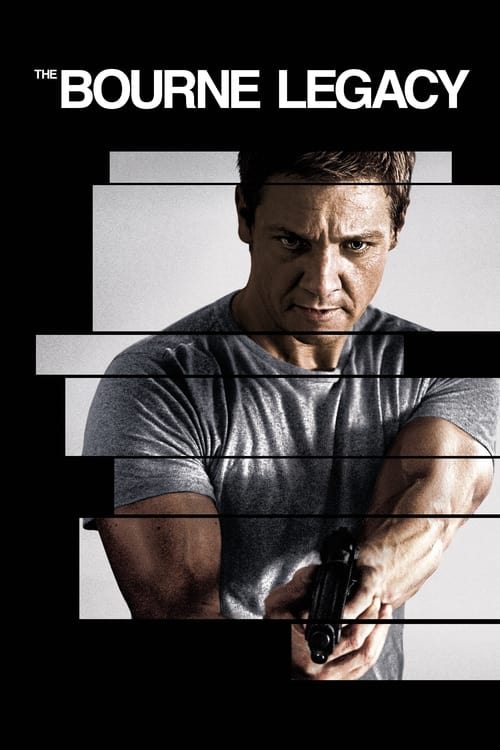
The Bourne Legacy
2012 · Directed by Tony Gilroy
Woke Score
CriticCritic Score
Audience
Ultra Based
Critics rated this 57 points above its woke score. Among Ultra Based films, this critic score ranks #863 of 1469.
Representation Casting
Score: 15/100
Rachel Weisz, Joan Allen, and Oscar Isaac occupy substantive professional roles, but their presence reflects functional casting within the spy narrative rather than diversity initiative.
LGBTQ+ Themes
Score: 0/100
No LGBTQ+ characters, themes, or subtext are present in the film.
Feminist Agenda
Score: 10/100
Female characters perform competently within their professional roles, but no feminist agenda or ideological commentary accompanies their presence.
Racial Consciousness
Score: 5/100
Oscar Isaac's character functions as another operative with no racial themes or consciousness integrated into the narrative.
Climate Crusade
Score: 0/100
No climate-related content, messaging, or thematic concerns appear in the film.
Eat the Rich
Score: 10/100
Corporate and governmental malfeasance serve as plot devices, but this represents standard spy thriller convention rather than anti-capitalist ideology.
Body Positivity
Score: 0/100
No body positivity messaging, representation, or thematic engagement is present.
Neurodivergence
Score: 0/100
No neurodivergent characters or thematic content appears in the film.
Revisionist History
Score: 0/100
The film makes no claims about or reinterpretations of historical events.
Lecture Energy
Score: 5/100
Dialogue remains primarily functional, focused on espionage tradecraft and plot exposition rather than preachy messaging.


Synopsis
New CIA operative Aaron Cross experiences life-or-death stakes that have been triggered by the previous actions of Jason Bourne.
Consciousness Assessment
The Bourne Legacy stands as a competent but ideologically inert spy thriller, notable primarily for its technical execution rather than any engagement with contemporary social consciousness. The film shuffles the franchise's focus from Jason Bourne to Aaron Cross, a lateral move that generates no particular commentary on representation or identity. The supporting cast includes women and people of color in professional capacities, but these choices reflect the functional requirements of a spy narrative rather than any deliberate statement about diversity or inclusion.
The screenplay operates entirely within the conventions of the espionage genre, concerned with surveillance protocols, black ops programs, and the machinations of institutional power. Government overreach features as a plot device, yet this is standard thriller material rather than ideologically motivated critique. The film contains no discussion of systemic inequality, no engagement with identity politics, and no apparent awareness of the progressive sensibilities that would come to define popular entertainment discourse in subsequent years.
What emerges is a film content to be a film, asking nothing of its audience except attentiveness to plot mechanics and action sequences. In an era increasingly comfortable with layering cultural messaging into mainstream entertainment, The Bourne Legacy's indifference to such concerns reads almost as an act of stubborn traditionalism.
Analysis generated by our Consciousness Algorithm
Critic Reviews
“Renner's Cross is a conflicted hero built to take advantage of the "Hurt Locker" star's best qualities as an actor - his default intensity, the way he conveys that complicated mental calculations are taking place under cover of watchful stillness, even underwater.”
“Viscerally, The Bourne Legacy packs a punch. If you're looking for a traditional sequel though, you'll probably be disappointed, but if it's a whole new ride you're after, you've come to the right place. Bourne has indeed been reborn.”
“The result is a newly revived spy movie franchise -- and the best big-budget action film of the summer. ”
“The Bourne series ended with the last installment, and now comes a 135-minute death rattle called The Bourne Legacy. It's a peculiar movie, both over-plotted and under-plotted, encumbered by layers of detail and yet with no details invested in or developed. ”
Consciousness Markers
Rachel Weisz, Joan Allen, and Oscar Isaac occupy substantive professional roles, but their presence reflects functional casting within the spy narrative rather than diversity initiative.
No LGBTQ+ characters, themes, or subtext are present in the film.
Female characters perform competently within their professional roles, but no feminist agenda or ideological commentary accompanies their presence.
Oscar Isaac's character functions as another operative with no racial themes or consciousness integrated into the narrative.
No climate-related content, messaging, or thematic concerns appear in the film.
Corporate and governmental malfeasance serve as plot devices, but this represents standard spy thriller convention rather than anti-capitalist ideology.
No body positivity messaging, representation, or thematic engagement is present.
No neurodivergent characters or thematic content appears in the film.
The film makes no claims about or reinterpretations of historical events.
Dialogue remains primarily functional, focused on espionage tradecraft and plot exposition rather than preachy messaging.