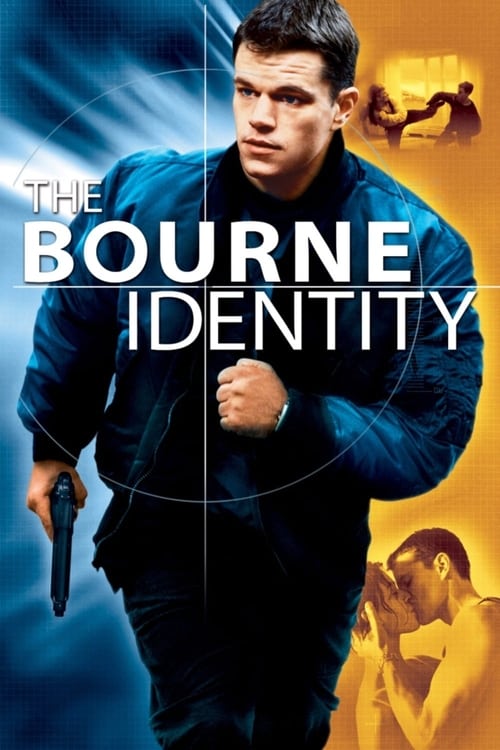
The Bourne Identity
2002 · Directed by Doug Liman
Woke Score
CriticCritic Score
Audience
Ultra Based
Critics rated this 64 points above its woke score. Among Ultra Based films, this critic score ranks #686 of 1469.
Representation Casting
Score: 5/100
The cast is predominantly white and male, with Franka Potente as romantic interest rather than active protagonist. This reflects 2002 action cinema norms rather than conscious representation efforts.
LGBTQ+ Themes
Score: 0/100
No LGBTQ+ content, themes, or subtext are present in the narrative.
Feminist Agenda
Score: 10/100
Marie exists primarily as love interest and plot device to the male protagonist, defined through her relationship to Bourne rather than her own agency.
Racial Consciousness
Score: 0/100
Race is not engaged with thematically. Characters of color appear without commentary on racial identity or structural conditions.
Climate Crusade
Score: 0/100
No environmental themes or messaging are present in the film.
Eat the Rich
Score: 15/100
The CIA is depicted as corrupt and self-serving, but this reflects spy-thriller genre conventions rather than coherent anti-capitalist ideology.
Body Positivity
Score: 0/100
The protagonist embodies an idealized male physique. No attention is given to body diversity or acceptance.
Neurodivergence
Score: 0/100
Bourne's amnesia functions as plot device only, not as representation of neurodivergent experience.
Revisionist History
Score: 0/100
The film does not reinterpret historical events or figures in contemporary progressive terms.
Lecture Energy
Score: 5/100
The film allows narrative and action to unfold with minimal exposition, trusting the audience to grasp institutional corruption through observation rather than dialogue.


Synopsis
Wounded to the brink of death and suffering from amnesia, Jason Bourne is rescued at sea by a fisherman. With nothing to go on but a Swiss bank account number, he starts to reconstruct his life, but finds that many people he encounters want him dead. However, Bourne realizes that he has the combat and mental skills of a world-class spy—but who does he work for?
Consciousness Assessment
The Bourne Identity is a competent action thriller from 2002 that concerns itself with institutional betrayal and the search for selfhood within the machinery of state power. It is not, however, a vehicle for progressive social consciousness. The film depicts a world of white men in suits and the occasional woman positioned as romantic interest or collateral. Adewale Akinnuoye-Agbaje appears briefly in a supporting role, but the film offers no commentary on race or structural inequality. The skepticism toward American intelligence agencies follows directly from spy-thriller conventions established decades earlier, not from any contemporary social justice framework.
What the film does accomplish is a kind of genre efficiency. It trusts its audience to understand institutional corruption through observation rather than exposition. The action sequences feel grounded and tactile. Marie's arc, while limited, allows Franka Potente to convey vulnerability and pragmatism without the film stopping to lecture about her emotional state. This restraint, however, is not the same as progressive consciousness. It is simply the style of early 2000s action cinema.
The Bourne Identity arrived at a moment when American audiences were beginning to question their government following 9/11 and the Iraq War. The film's skepticism about institutional power found ready purchase in this context. Yet this skepticism emerges from the plot mechanics rather than from any deliberate engagement with modern social justice sensibilities. It is a thriller that happens to distrust the CIA, not a progressive text that has chosen its subject matter as a vehicle for cultural commentary.
Analysis generated by our Consciousness Algorithm
Critic Reviews
“Blisteringly fast, Bourne also has a strong or striking supporting actor around every corner: Chris Cooper, Brian Cox, Julia Stiles and Clive Owen in roles that range from meaty to amazingly small.”
“One of those rare thrillers where the cops aren't fools, villains don't turn stupid at crucial moments, and career assassins seldom miss targets.”
“The best audiences can hope for is that they, too, get amnesia and forget they ever saw this movie.”
Consciousness Markers
The cast is predominantly white and male, with Franka Potente as romantic interest rather than active protagonist. This reflects 2002 action cinema norms rather than conscious representation efforts.
No LGBTQ+ content, themes, or subtext are present in the narrative.
Marie exists primarily as love interest and plot device to the male protagonist, defined through her relationship to Bourne rather than her own agency.
Race is not engaged with thematically. Characters of color appear without commentary on racial identity or structural conditions.
No environmental themes or messaging are present in the film.
The CIA is depicted as corrupt and self-serving, but this reflects spy-thriller genre conventions rather than coherent anti-capitalist ideology.
The protagonist embodies an idealized male physique. No attention is given to body diversity or acceptance.
Bourne's amnesia functions as plot device only, not as representation of neurodivergent experience.
The film does not reinterpret historical events or figures in contemporary progressive terms.
The film allows narrative and action to unfold with minimal exposition, trusting the audience to grasp institutional corruption through observation rather than dialogue.