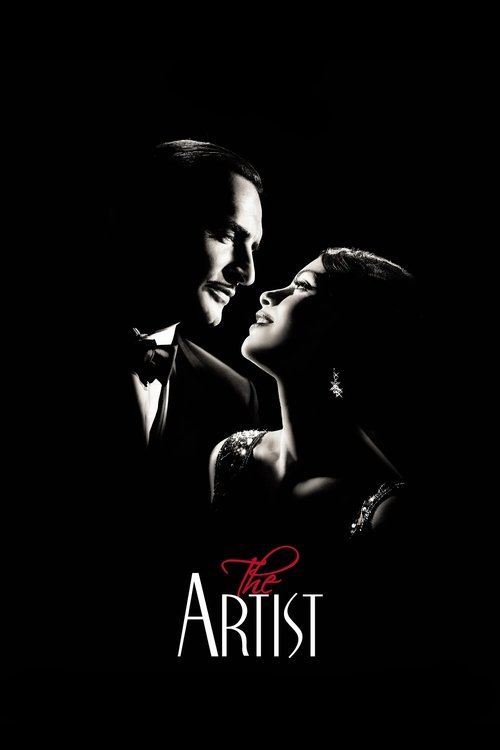
The Artist
2011 · Directed by Michel Hazanavicius
Woke Score
CriticCritic Score
Audience
Ultra Based
Critics rated this 81 points above its woke score. Among Ultra Based films, this critic score ranks #153 of 1469.
Representation Casting
Score: 15/100
The film features Bérénice Bejo in a substantial female lead role, but the casting reflects period aesthetics rather than contemporary diversity consciousness. The film deliberately mimics 1920s Hollywood rather than interrogating its historical limitations.
LGBTQ+ Themes
Score: 0/100
No LGBTQ+ themes, characters, or representation appear in the film. The narrative is entirely heteronormative in its romantic focus.
Feminist Agenda
Score: 10/100
While Peppy Miller is a successful actress, the narrative privileges the male protagonist's decline and her character's arc is partly defined by her connection to him. There is no explicit feminist consciousness or interrogation of gender dynamics.
Racial Consciousness
Score: 5/100
The film maintains period accuracy for 1920s Hollywood without examining or critiquing the racial exclusions and segregation of that era. It is historically faithful rather than revisionist or conscious.
Climate Crusade
Score: 0/100
No climate-related themes, messaging, or environmental consciousness appears in the film at any point.
Eat the Rich
Score: 15/100
The film critiques the commercialization of cinema and the industry's ruthless transition from silent to talking pictures, but this critique is framed as artistic tragedy rather than systemic capitalism analysis.
Body Positivity
Score: 0/100
No body positivity messaging, body diversity representation, or commentary on physical appearance standards appears in the film.
Neurodivergence
Score: 0/100
There is no representation of neurodivergent characters or any discussion of neurodivergence in any form.
Revisionist History
Score: 0/100
The film is nostalgic and celebratory of silent cinema rather than revisionist. It honors the era without reinterpreting historical events or narratives through a contemporary lens.
Lecture Energy
Score: 5/100
The film communicates its themes through narrative and visual language rather than through explicit dialogue or direct commentary. It is subtle and shows rather than tells, minimizing preachy messaging.


Synopsis
Hollywood, 1927: As silent movie star George Valentin wonders if the arrival of talking pictures will cause him to fade into oblivion, he sparks with Peppy Miller, a young dancer set for a big break.
Consciousness Assessment
Michel Hazanavicius has crafted a curious artifact: a 2011 film that functions as a deliberate time capsule, a love letter to the silent cinema of the 1920s rendered in black and white with nary a word of dialogue. The choice is bold, perhaps even defiant in its rejection of contemporary filmmaking conventions. Yet this very aesthetic conservatism, this earnest devotion to period authenticity, renders the film essentially inert as a vehicle for modern social consciousness. The Artist exists in a studied vacuum, concerned with the mechanics of cinema and the particular tragedy of technological obsolescence rather than with the ideological preoccupations of our current moment. Bérénice Bejo's Peppy Miller is competent and charming, a woman who succeeds in show business through talent and determination, but she occupies a narrative space defined primarily by her relationship to Jean Dujardin's fading star. The film does not interrogate this arrangement; it simply presents it. One watches a meditation on artistic decline and the human cost of progress, but there is nothing here that engages with contemporary frameworks of equity or representation. The film won five Academy Awards, including Best Picture, by offering audiences an escape into a fantasized version of cinema history rather than a commentary upon it. This is precisely the point of its charm and also the reason it registers as essentially invisible to the cultural markers we might otherwise measure.
Analysis generated by our Consciousness Algorithm
Critic Reviews
“The film's charm and delight of discovery, plus its sterling international performances, could make it a breakout hit in theaters.”
“Get ready for a smash hit. Gimmicky but delicious, this is a valentine to the movies I promise you will cherish. ”
“The delighted gasps in the theater will make you glad you took a chance on The Artist. Silent black-and-white movies are not coming back, but this one is such a rewarding labor of love by all of the artists involved that it just might make you wish they could.”
“The Artist neatly sidesteps this unsolvable dilemma by ignoring everything that's fascinating and memorable about the era, focusing instead on a patchwork of general knowledge, so eroded of inconvenient facts that it doesn't even qualify as a roman à clef. ”
Consciousness Markers
The film features Bérénice Bejo in a substantial female lead role, but the casting reflects period aesthetics rather than contemporary diversity consciousness. The film deliberately mimics 1920s Hollywood rather than interrogating its historical limitations.
No LGBTQ+ themes, characters, or representation appear in the film. The narrative is entirely heteronormative in its romantic focus.
While Peppy Miller is a successful actress, the narrative privileges the male protagonist's decline and her character's arc is partly defined by her connection to him. There is no explicit feminist consciousness or interrogation of gender dynamics.
The film maintains period accuracy for 1920s Hollywood without examining or critiquing the racial exclusions and segregation of that era. It is historically faithful rather than revisionist or conscious.
No climate-related themes, messaging, or environmental consciousness appears in the film at any point.
The film critiques the commercialization of cinema and the industry's ruthless transition from silent to talking pictures, but this critique is framed as artistic tragedy rather than systemic capitalism analysis.
No body positivity messaging, body diversity representation, or commentary on physical appearance standards appears in the film.
There is no representation of neurodivergent characters or any discussion of neurodivergence in any form.
The film is nostalgic and celebratory of silent cinema rather than revisionist. It honors the era without reinterpreting historical events or narratives through a contemporary lens.
The film communicates its themes through narrative and visual language rather than through explicit dialogue or direct commentary. It is subtle and shows rather than tells, minimizing preachy messaging.