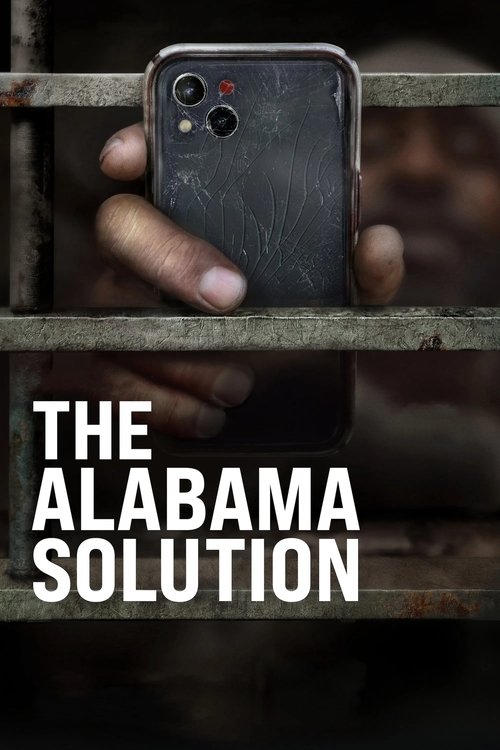
The Alabama Solution
2025 · Directed by Andrew Jarecki
Woke Score
CriticCritic Score
Audience
Woke-Adjacent
Critics rated this 36 points above its woke score. Among Woke-Adjacent films, this critic score ranks #8 of 151.
Representation Casting
Score: 75/100
The film centers incarcerated men, primarily from marginalized communities, as the primary subjects and protagonists rather than peripheral characters. Their voices and experiences drive the narrative.
LGBTQ+ Themes
Score: 0/100
No evidence of LGBTQ+ themes, characters, or representation in the available film information.
Feminist Agenda
Score: 0/100
No evidence of feminist themes or perspectives in the documentary's focus or approach.
Racial Consciousness
Score: 60/100
The film addresses systemic injustice within a prison system that disproportionately affects communities of color, though it frames this primarily as criminal justice reform rather than explicit racial consciousness.
Climate Crusade
Score: 0/100
No climate-related themes or environmental consciousness present in the film.
Eat the Rich
Score: 45/100
The documentary exposes institutional corruption and systemic failure, suggesting some critique of institutional power structures, though not framed explicitly through anti-capitalist ideology.
Body Positivity
Score: 0/100
No evidence of body positivity themes or representation in the film.
Neurodivergence
Score: 0/100
No evidence of neurodivergence representation or discussion in the available film information.
Revisionist History
Score: 0/100
The film documents contemporary institutional issues and cover-ups rather than engaging in historical revisionism or reframing of past events.
Lecture Energy
Score: 55/100
As an investigative documentary with advocacy dimensions, the film inherently carries educational and persuasive intent regarding institutional reform, though it prioritizes narrative testimony over explicit preachiness.


Synopsis
Incarcerated men defy the odds to expose a cover-up in one of America's deadliest prison systems.
Consciousness Assessment
Andrew Jarecki's documentary follows incarcerated men as they work to expose systematic failures within Alabama's prison system. The film centers the voices of those directly impacted by institutional injustice, allowing their testimonies to drive the narrative rather than filtering their experiences through external commentary. This approach, while narratively powerful, does not necessarily engage with the specific cultural preoccupations that define contemporary progressive discourse.
The documentary's strength lies in its investigative rigor and willingness to document genuine institutional corruption. However, its framework remains largely focused on criminal justice reform as a systemic issue rather than engaging with the identity-based dimensions of social consciousness that characterize modern progressive cultural analysis. The presence of incarcerated individuals as protagonists suggests some awareness of representation, yet the film does not appear to foreground the demographic or identity politics that would elevate its score within this particular analytical framework.
The work functions as serious institutional critique, which is valuable and necessary, but it operates within a tradition of investigative journalism and documentary advocacy that predates the specific constellation of cultural sensibilities being measured here. It is a film about injustice, which is not the same as a film preoccupied with the categories through which contemporary progressive audiences understand injustice.
Analysis generated by our Consciousness Algorithm
Critic Reviews
“The movie, its many strands brilliantly threaded for maximum impact, is also an argument for the necessity of independent inquiry, and for a reassessment of what a “true crime” documentary means when the lion’s share of attention goes to sensationalized, overreported tabloid tales that go down easy in streaming formats.”
“The Alabama Solution is one of the most powerful exposés of the inhumanity of the American prison system I’ve ever seen.”
“By providing a voice to the voiceless, The Alabama Solution invites audiences into what they successfully argue is nothing less than a new frontier in the ongoing civil rights movement. Institutions may need more time to change, but any viewer of this film should only need two hours to be galvanized into action.”
“The Alabama Solution is difficult to watch, and impossible to watch without escalating anger. There isn’t easy catharsis or an easy non-Alabama solution, but it’s impossible to deny that something better must be done.”
Consciousness Markers
The film centers incarcerated men, primarily from marginalized communities, as the primary subjects and protagonists rather than peripheral characters. Their voices and experiences drive the narrative.
No evidence of LGBTQ+ themes, characters, or representation in the available film information.
No evidence of feminist themes or perspectives in the documentary's focus or approach.
The film addresses systemic injustice within a prison system that disproportionately affects communities of color, though it frames this primarily as criminal justice reform rather than explicit racial consciousness.
No climate-related themes or environmental consciousness present in the film.
The documentary exposes institutional corruption and systemic failure, suggesting some critique of institutional power structures, though not framed explicitly through anti-capitalist ideology.
No evidence of body positivity themes or representation in the film.
No evidence of neurodivergence representation or discussion in the available film information.
The film documents contemporary institutional issues and cover-ups rather than engaging in historical revisionism or reframing of past events.
As an investigative documentary with advocacy dimensions, the film inherently carries educational and persuasive intent regarding institutional reform, though it prioritizes narrative testimony over explicit preachiness.