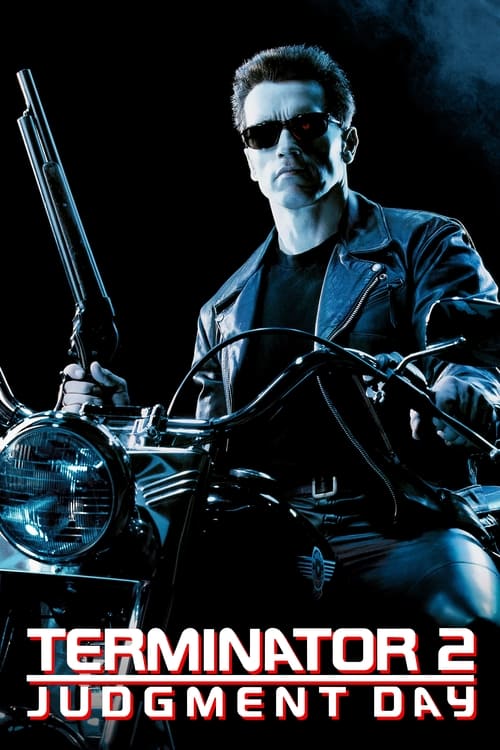
Terminator 2: Judgment Day
1991 · Directed by James Cameron
Woke Score
CriticCritic Score
Audience
Based
Critics rated this 53 points above its woke score. Among Based films, this critic score ranks #122 of 345.
Representation Casting
Score: 35/100
The cast includes Black actors in professional roles (Joe Morton as Miles Dyson, S. Epatha Merkerson), but this reflects 1991 casting practices rather than conscious representation. Linda Hamilton's Sarah Connor is a capable action protagonist, though not framed through modern feminist consciousness.
LGBTQ+ Themes
Score: 0/100
No LGBTQ+ themes, characters, or subtext present in the film. The narrative concerns heterosexual family dynamics and protection of a male child from a threat.
Feminist Agenda
Score: 25/100
Sarah Connor is physically trained and action-competent, but the film does not engage with feminist critique or modern gender consciousness. Her strength serves the plot rather than emerging from ideological commitment to gender analysis.
Racial Consciousness
Score: 15/100
While the cast is diverse, the film contains no explicit racial consciousness or exploration of race as a thematic element. Characters of color exist in professional roles without racial commentary.
Climate Crusade
Score: 0/100
No climate themes or environmental consciousness present. The apocalypse in question is nuclear war from Skynet, not environmental degradation.
Eat the Rich
Score: 20/100
Skynet represents unchecked technological development, which carries faint anti-corporate undertones, but this operates at the level of science fiction speculation rather than coherent social critique of capitalism or class dynamics.
Body Positivity
Score: 10/100
Sarah Connor is presented as muscular and physically capable, which could be read as positive, but the film does not engage with body diversity or body positivity as a conscious theme. Her physique serves narrative function.
Neurodivergence
Score: 0/100
No neurodivergent characters, representation, or thematic engagement with neurodiversity. The T-800 is artificial intelligence, not neurodivergence.
Revisionist History
Score: 0/100
The film is set in an alternate timeline with time travel mechanics, but does not reframe or reinterpret actual historical events. It is speculative fiction, not revisionist history.
Lecture Energy
Score: 15/100
The film contains some exposition about Skynet and the future, but maintains brisk pacing and does not pause narrative for extended moral instruction or social lesson-teaching in the manner of more contemporary preachy cinema.


Synopsis
Ten years after the events of the original, a reprogrammed T-800 is sent back in time to protect young John Connor from the shape-shifting T-1000. Together with his mother Sarah, he fights to stop Skynet from triggering a nuclear apocalypse.
Consciousness Assessment
Terminator 2: Judgment Day arrives in 1991 as a film fundamentally concerned with the mechanics of temporal paradox and the militarization of artificial intelligence, not with the architecture of social consciousness. Sarah Connor functions as a capable, muscular protagonist who has trained for combat, and Linda Hamilton's performance carries genuine conviction. Yet we must resist the temptation to retrofit this into a modern progressive narrative. The film presents a strong female character because the plot demands one, not because it engages with contemporary frameworks of gender analysis or feminist critique.
The supporting cast includes Black actors in professional roles, most notably Joe Morton as Miles Dyson and S. Epatha Merkerson in smaller parts, but their presence reflects 1991 casting norms rather than deliberate representation consciousness. The film's critique of Skynet operates at the level of science fiction speculation about unchecked technological development, not as social commentary on capitalism or institutional power structures. There is no LGBTQ+ content, no examination of neurodiversity, no engagement with climate themes, and no revisionist historical framing.
What remains is a film of considerable technical achievement that examines fate, motherhood, and the attempt to prevent catastrophe through force of will. It is an action movie about stopping a killer robot, executed with precision and wit. To score it as a product of 2020s progressive consciousness would be an act of profound historical misreading, like attributing modern sensibilities to a 1950s Western simply because it contains a sympathetic portrayal of a woman.
Analysis generated by our Consciousness Algorithm
Critic Reviews
“A great movie... A pop epiphany, marking that commercially creative point where the power of Hollywood meets the purity of myth.”
“More elaborate than the original, but just as shrewdly put together, it cleverly combines the most successful elements of its predecessor with a number of new twists (would you believe a kinder, gentler Terminator?) to produce on e hell of a wild ride, a Twilight of the Gods that takes no prisoners and leaves audiences desperate for mercy. [3 July 1991, Calendar, p.F-1]”
“Terminator 2 imagines things you wouldn't even be likely to dream and gets these visions onto the screen with a seamlessness that's mind-boggling. [3 July 1991, Daily Datebook, p.E1]”
“The surprise is that a picture made to be exciting for 136 minutes is so unexciting most of the time. It starts with a bang and keeps banging, so there's little suspense and no crescendo. [12 Aug 1991, p.28]”
Consciousness Markers
The cast includes Black actors in professional roles (Joe Morton as Miles Dyson, S. Epatha Merkerson), but this reflects 1991 casting practices rather than conscious representation. Linda Hamilton's Sarah Connor is a capable action protagonist, though not framed through modern feminist consciousness.
No LGBTQ+ themes, characters, or subtext present in the film. The narrative concerns heterosexual family dynamics and protection of a male child from a threat.
Sarah Connor is physically trained and action-competent, but the film does not engage with feminist critique or modern gender consciousness. Her strength serves the plot rather than emerging from ideological commitment to gender analysis.
While the cast is diverse, the film contains no explicit racial consciousness or exploration of race as a thematic element. Characters of color exist in professional roles without racial commentary.
No climate themes or environmental consciousness present. The apocalypse in question is nuclear war from Skynet, not environmental degradation.
Skynet represents unchecked technological development, which carries faint anti-corporate undertones, but this operates at the level of science fiction speculation rather than coherent social critique of capitalism or class dynamics.
Sarah Connor is presented as muscular and physically capable, which could be read as positive, but the film does not engage with body diversity or body positivity as a conscious theme. Her physique serves narrative function.
No neurodivergent characters, representation, or thematic engagement with neurodiversity. The T-800 is artificial intelligence, not neurodivergence.
The film is set in an alternate timeline with time travel mechanics, but does not reframe or reinterpret actual historical events. It is speculative fiction, not revisionist history.
The film contains some exposition about Skynet and the future, but maintains brisk pacing and does not pause narrative for extended moral instruction or social lesson-teaching in the manner of more contemporary preachy cinema.