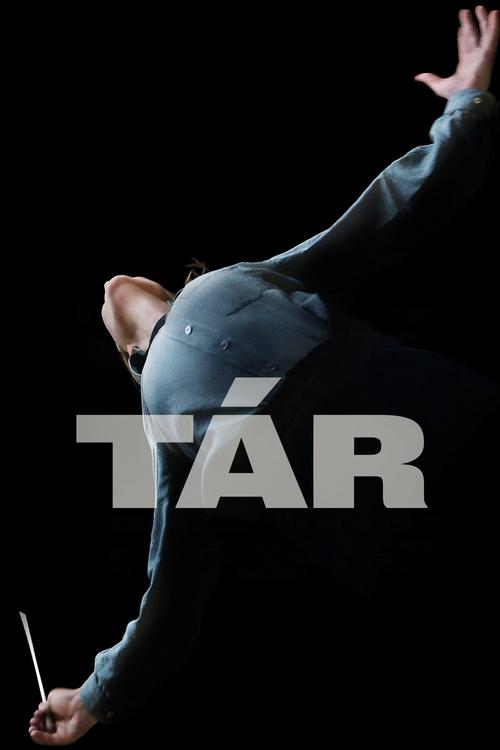
TÁR
2022 · Directed by Todd Field
Woke Score
CriticCritic Score
Woke-Adjacent
Critics rated this 30 points above its woke score. Among Woke-Adjacent films, this critic score ranks #29 of 151.
Representation Casting
Score: 75/100
The film centers on a female conductor in a historically male-dominated position, breaking institutional barriers. However, broader representation remains limited.
LGBTQ+ Themes
Score: 45/100
Lydia's same-sex marriage to Sharon is presented matter-of-factly as part of the narrative, but LGBTQ+ themes are not central to the film's concerns.
Feminist Agenda
Score: 70/100
The narrative subverts gender expectations by making the female protagonist an abuser of institutional power, creating moral complexity rather than straightforward feminist messaging.
Racial Consciousness
Score: 20/100
Minimal engagement with racial themes. The cast is predominantly white and the film does not address racial dynamics.
Climate Crusade
Score: 0/100
No evidence of climate or environmental themes in the film.
Eat the Rich
Score: 35/100
Implicit critique of institutional power and privilege, but no explicit anti-capitalist messaging or systemic economic analysis.
Body Positivity
Score: 0/100
No evidence of body positivity themes or commentary on body image.
Neurodivergence
Score: 0/100
No explicit engagement with neurodivergence despite the protagonist's obsessive and potentially pathological behaviors.
Revisionist History
Score: 0/100
The film is set in the contemporary world and does not attempt to reframe historical events.
Lecture Energy
Score: 40/100
Contains scenes of the protagonist teaching at Juilliard, but the film is primarily a psychological character study rather than preachy in overall approach.


Synopsis
As celebrated conductor Lydia Tár starts rehearsals for a career-defining symphony, the consequences of her past choices begin to echo in the present.
Consciousness Assessment
TÁR arrives as a carefully constructed psychological study of power, abuse, and institutional complicity, which is to say it arrives as a film more interested in moral texture than in cultural messaging. Todd Field's direction and Cate Blanchett's performance create a portrait of a woman whose professional achievements and personal charisma have insulated her from accountability until they cannot. The film's central achievement lies not in making us comfortable with simple judgments about its protagonist, but in forcing us to reckon with how privilege operates across gender lines.
The film's engagement with progressive sensibilities remains oblique and sometimes contradictory. Lydia Tár's position as the first female conductor of a major German orchestra could read as triumphant, but instead the narrative uses it as a foundation for examining how women in power can replicate the very abusive dynamics they theoretically oppose. Her same-sex marriage, rather than being a statement of inclusion, provides domestic texture without ideological weight. The film seems interested in demonstrating that gender, sexuality, and institutional achievement do not automatically confer moral clarity on those who possess them.
We observe most forcefully a film that views its subject matter with a kind of anthropological detachment. There is no cathartic reckoning, no redemptive arc, no lecture about systemic change. Instead, we watch a brilliant woman's careful world collapse through the accumulation of small refusals to acknowledge her own complicity. This is not the work of a filmmaker interested in advancing a particular social agenda so much as one interested in the specific architecture of a particular human failure. The result is a film that progressive audiences might expect to endorse certain positions, only to find themselves confronted with something far more ambiguous and, perhaps, more honest about the limits of personal transformation.
Analysis generated by our Consciousness Algorithm
Critic Reviews
“A cut above in terms of style, performance, and ideas, Todd Field's film about a celebrity conductor accused of sexual misconduct is essential cinema.”
“The film is a genuine tragedy -- a black comic tragedy, but a tragedy nonetheless.”
“Field narrows his focus and settles instead on the film being a sumptuously told but ultimately straightforward comeuppance cautionary tale of supreme arrogance supremely humbled.”
“It's an interesting film that could easily be based on real events, but it's a captivating fiction due to the themes and concerns it raises.”
Consciousness Markers
The film centers on a female conductor in a historically male-dominated position, breaking institutional barriers. However, broader representation remains limited.
Lydia's same-sex marriage to Sharon is presented matter-of-factly as part of the narrative, but LGBTQ+ themes are not central to the film's concerns.
The narrative subverts gender expectations by making the female protagonist an abuser of institutional power, creating moral complexity rather than straightforward feminist messaging.
Minimal engagement with racial themes. The cast is predominantly white and the film does not address racial dynamics.
No evidence of climate or environmental themes in the film.
Implicit critique of institutional power and privilege, but no explicit anti-capitalist messaging or systemic economic analysis.
No evidence of body positivity themes or commentary on body image.
No explicit engagement with neurodivergence despite the protagonist's obsessive and potentially pathological behaviors.
The film is set in the contemporary world and does not attempt to reframe historical events.
Contains scenes of the protagonist teaching at Juilliard, but the film is primarily a psychological character study rather than preachy in overall approach.