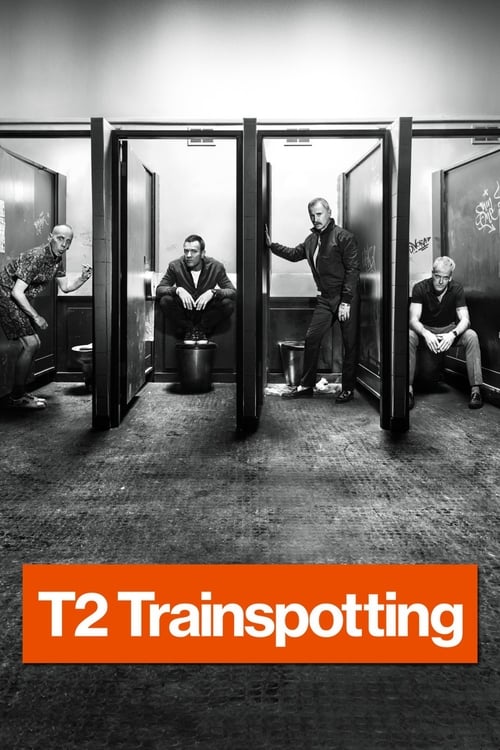
T2 Trainspotting
2017 · Directed by Danny Boyle
Woke Score
CriticCritic Score
Audience
Ultra Based
Critics rated this 59 points above its woke score. Among Ultra Based films, this critic score ranks #705 of 1469.
Representation Casting
Score: 5/100
Cast is predominantly white Scottish men with female characters relegated to supporting roles. Limited meaningful diversity in principal casting.
LGBTQ+ Themes
Score: 0/100
No LGBTQ+ themes, representation, or content. The original film featured homophobic characters, but T2 does not engage with LGBTQ+ narratives.
Feminist Agenda
Score: 5/100
Female characters exist but are not central to narrative or thematic concerns. The film remains male-centric without advancing feminist themes.
Racial Consciousness
Score: 0/100
Set in Scotland with an overwhelmingly white cast. No meaningful engagement with racial themes or representation of non-white perspectives.
Climate Crusade
Score: 0/100
No environmental themes, climate anxiety, or ecological consciousness present in the film.
Eat the Rich
Score: 15/100
The film observes economic disparity and the effects of neoliberalism on working-class Edinburgh, but this is socio-economic observation rather than ideological anti-capitalist messaging.
Body Positivity
Score: 0/100
No body positivity themes, celebration of diverse body types, or challenge to beauty standards.
Neurodivergence
Score: 0/100
No meaningful representation or exploration of neurodivergence as a narrative subject.
Revisionist History
Score: 0/100
The film is nostalgic and reflective but does not rewrite history or challenge historical narratives through a contemporary progressive lens.
Lecture Energy
Score: 10/100
The film is primarily a character-driven narrative rather than preachy. While it offers social observation, it avoids explicit moral instruction to the audience.


Synopsis
After 20 years abroad, Mark Renton returns to Scotland and reunites with his old friends Sick Boy, Spud and Begbie.
Consciousness Assessment
T2 Trainspotting stands as a meditation on temporal decay and the stubborn persistence of old friendships, a film that regards contemporary social consciousness with the indifference of men who have seen better days. Danny Boyle returns to his characters not to offer commentary on representation or progress, but to observe how time has calcified them into new, sadder versions of themselves. The film's social critique concerns itself with economic disparity and the hollowing out of working-class life in post-2008 Britain, yet this is presented as lived reality rather than ideological positioning.
The cast remains almost entirely white and male, the female characters occupy peripheral roles, and there are no gestures toward the progressive messaging that had begun to dominate contemporary cinema by 2017. The film contains no LGBTQ+ representation, no climate anxiety, no body positivity, no neurodivergent characters presented as narrative subjects. What emerges is a work almost aggressively uninterested in the cultural preoccupations of its moment, preferring instead to marinate in nostalgia and the specific Scottish bleakness of middle-aged addiction.
This is not a failure but a choice. T2 Trainspotting operates in the register of character study and personal tragedy rather than social instruction. It observes without lecturing, documents without moralizing. For those seeking evidence of contemporary progressive sensibilities, the film offers little but the genuine portrayal of human suffering and the bonds that persist despite it.
Analysis generated by our Consciousness Algorithm
Critic Reviews
“T2 Trainspotting has one foot firmly planted in nostalgia and the other rooted in the present, and thanks in great part to Boyle’s unique, world-class talent, everything old feels new again, and everything new has the blazing look of an original and blazing piece of art.”
“No, T2 is not a great film, but its pleasures are great — and so rare and accomplished that they raise T2 to a level approximating greatness. There is something to be said for a movie this enjoyable. T2 is great enough.”
“T2 is a sequel that is at least the equal of the revered original.”
“T2 cannot hope to break the mold, as “Trainspotting” did, but Boyle and his cast rifle eagerly through the shards: a motley of plot scraps, crazed camera angles, flashbacks, trips, sight gags, and musical yelps.”
Consciousness Markers
Cast is predominantly white Scottish men with female characters relegated to supporting roles. Limited meaningful diversity in principal casting.
No LGBTQ+ themes, representation, or content. The original film featured homophobic characters, but T2 does not engage with LGBTQ+ narratives.
Female characters exist but are not central to narrative or thematic concerns. The film remains male-centric without advancing feminist themes.
Set in Scotland with an overwhelmingly white cast. No meaningful engagement with racial themes or representation of non-white perspectives.
No environmental themes, climate anxiety, or ecological consciousness present in the film.
The film observes economic disparity and the effects of neoliberalism on working-class Edinburgh, but this is socio-economic observation rather than ideological anti-capitalist messaging.
No body positivity themes, celebration of diverse body types, or challenge to beauty standards.
No meaningful representation or exploration of neurodivergence as a narrative subject.
The film is nostalgic and reflective but does not rewrite history or challenge historical narratives through a contemporary progressive lens.
The film is primarily a character-driven narrative rather than preachy. While it offers social observation, it avoids explicit moral instruction to the audience.