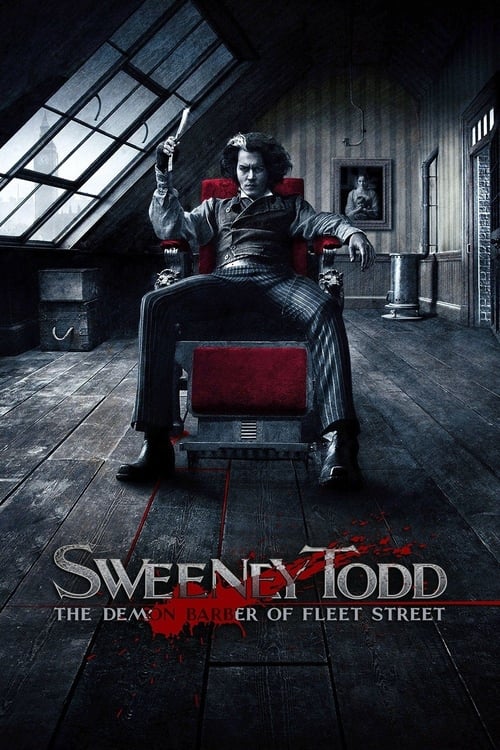
Sweeney Todd: The Demon Barber of Fleet Street
2007 · Directed by Tim Burton
Woke Score
CriticCritic Score
Audience
Ultra Based
Critics rated this 81 points above its woke score. Among Ultra Based films, this critic score ranks #290 of 1469.
Representation Casting
Score: 5/100
The casting reflects traditional character requirements from the source material rather than deliberate diverse representation. Helena Bonham Carter and Johnny Depp are cast based on their fit for established roles, not as part of a contemporary casting strategy.
LGBTQ+ Themes
Score: 0/100
No LGBTQ+ themes, characters, or representation are present in the film.
Feminist Agenda
Score: 3/100
Mrs. Lovett is a complex female character with agency and narrative importance, but this reflects the original work's construction from 1979 rather than contemporary feminist sensibility in the 2007 adaptation.
Racial Consciousness
Score: 0/100
No racial consciousness or commentary on race is present in the film.
Climate Crusade
Score: 0/100
No climate-related themes or messaging appear in the film.
Eat the Rich
Score: 2/100
The film depicts class exploitation and institutional corruption, but this critique emerges from the 19th-century source material rather than contemporary anti-capitalist progressive ideology.
Body Positivity
Score: 0/100
No body positivity messaging or representation is present in the film.
Neurodivergence
Score: 0/100
No neurodivergence representation or themes are evident in the film.
Revisionist History
Score: 0/100
The film makes no attempt to revise or reinterpret historical events through a contemporary progressive lens.
Lecture Energy
Score: 0/100
The film does not contain preachy messaging or instructional tone regarding contemporary social issues.


Synopsis
The infamous story of Benjamin Barker, a.k.a Sweeney Todd, who sets up a barber shop down in London which is the basis for a sinister partnership with his fellow tenant, Mrs. Lovett. Based on the hit Broadway musical.
Consciousness Assessment
Tim Burton's "Sweeney Todd" is a faithful adaptation of Stephen Sondheim's 1979 musical, which means it inherits the source material's Victorian-era setting and 19th-century revenge narrative largely intact. The film presents a bleak portrait of class exploitation in London, where corrupt authority figures and economic desperation drive the protagonists to cannibalistic murder. This is morally serious and thematically coherent, but it is not a work of contemporary progressive cultural commentary. The narrative framework predates modern social justice discourse by decades, and Burton's adaptation makes no effort to retrofit the material with contemporary sensibilities. Mrs. Lovett, portrayed by Helena Bonham Carter, is a complex female character who operates as an equal partner in the criminal enterprise, but this reflects the original work's construction rather than a deliberate statement about gender representation in cinema.
The film's social critique, such as it exists, concerns itself with class corruption and institutional decay in a specific historical moment. It does not engage with identity politics, representation as a primary thematic concern, or any of the specific markers that characterize modern progressive cultural awareness. There is no visible engagement with LGBTQ+ representation, racial consciousness, climate messaging, anti-capitalist ideology presented through a contemporary lens, body positivity, neurodivergence, or revisionist history. The lecture energy is absent. We are watching a dark gothic musical drama about vengeance and despair, not a film designed to educate audiences about systemic oppression through the vocabulary of 2020s progressivism.
What remains is a Burton production of unquestionable technical achievement and considerable atmospheric power, but one that operates entirely outside the framework of contemporary woke cultural sensibility. The film succeeds on its own terms as a musical adaptation and horror narrative, which is precisely why it registers as fundamentally unconcerned with the markers we are evaluating.
Analysis generated by our Consciousness Algorithm
Critic Reviews
“Depp is such a soulful presence he gives you a glimpse of this maniac's pain and pathos. Bonham Carter is extraordinary. She reinvents Mrs. Lovett from the inside out.”
“Something close to a masterpiece, a work of extreme -- I am tempted to say evil -- genius.”
“Burton brings his signature visual style, and a pair of stock players for his stars, into this film adaptation, but he wisely follows Sondheim's lead, letting the music and spirit of the original piece show the way.”
“Burton's gorgeously grim film (his sixth with Depp) is loyal to Sondheim's original, both in spirit and structure; it's dark and gothic and drenched in blood, and it forgoes excessive dialogue in the name of getting quickly to the next murky, malevolent, yet strangely forgettable tune.”
Consciousness Markers
The casting reflects traditional character requirements from the source material rather than deliberate diverse representation. Helena Bonham Carter and Johnny Depp are cast based on their fit for established roles, not as part of a contemporary casting strategy.
No LGBTQ+ themes, characters, or representation are present in the film.
Mrs. Lovett is a complex female character with agency and narrative importance, but this reflects the original work's construction from 1979 rather than contemporary feminist sensibility in the 2007 adaptation.
No racial consciousness or commentary on race is present in the film.
No climate-related themes or messaging appear in the film.
The film depicts class exploitation and institutional corruption, but this critique emerges from the 19th-century source material rather than contemporary anti-capitalist progressive ideology.
No body positivity messaging or representation is present in the film.
No neurodivergence representation or themes are evident in the film.
The film makes no attempt to revise or reinterpret historical events through a contemporary progressive lens.
The film does not contain preachy messaging or instructional tone regarding contemporary social issues.