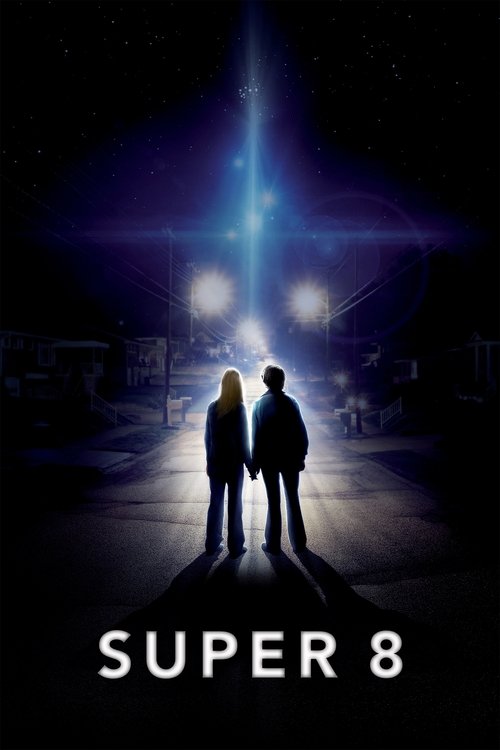
Super 8
2011 · Directed by J.J. Abrams
Woke Score
CriticCritic Score
Audience
Ultra Based
Critics rated this 68 points above its woke score. Among Ultra Based films, this critic score ranks #560 of 1469.
Representation Casting
Score: 15/100
The cast is predominantly white and male. Elle Fanning is the only significant female character, relegated to a romantic subplot. No meaningful diversity in principal roles.
LGBTQ+ Themes
Score: 0/100
No LGBTQ themes, characters, or representation present in the film.
Feminist Agenda
Score: 10/100
Elle Fanning's character exists primarily as a romantic interest for the male protagonist. No feminist themes or female agency beyond this function.
Racial Consciousness
Score: 5/100
The film is set in 1979 but makes no effort to engage with the racial dynamics or social context of the era. The cast is predominantly white with minimal representation.
Climate Crusade
Score: 0/100
No climate or environmental themes present in the film.
Eat the Rich
Score: 10/100
Military and government authorities are portrayed as antagonistic, but this reflects standard sci-fi tropes rather than coherent anti-capitalist critique. The sympathetic monster could suggest anti-capitalist subtext but remains underdeveloped.
Body Positivity
Score: 0/100
No body positivity themes or representation present in the film.
Neurodivergence
Score: 0/100
No representation of or engagement with neurodivergence in the film.
Revisionist History
Score: 0/100
The film is set in 1979 but makes no attempt to revisit or reframe historical events or narratives. It functions as escapist nostalgia rather than historical engagement.
Lecture Energy
Score: 5/100
The film contains minimal explicit messaging or preachy elements. The sympathetic portrayal of the creature might suggest subtle moral lessons about power structures, but the film avoids overt moralizing.


Synopsis
In late 1970s Ohio, a group of friends filming a homemade zombie movie witness a devastating train derailment. Soon after, their quiet town is gripped by unexplained disappearances, strange phenomena, and a growing sense of fear, as they uncover that something terrifying has been set loose.
Consciousness Assessment
Super 8 is a J.J. Abrams homage to 1980s Spielberg sensibilities, a film so thoroughly devoted to nostalgic recreation that it functions as cultural amber. The narrative centers on a group of young filmmakers in 1979 Ohio who stumble upon genuine cosmic horror. What we have here is a meditation on childhood wonder and friendship tested by circumstance, not a vehicle for contemporary social consciousness. The cast is predominantly white and male, with Elle Fanning serving as the token female presence whose primary narrative function is to be the object of one boy's romantic interest. There is no attempt to interrogate the historical period's social dynamics or lack thereof.
The film operates in a register of pure adventure and spectacle. The military and government authorities are portrayed as antagonistic, though this reflects generic sci-fi tropes rather than any coherent anti-capitalist positioning. There are no LGBTQ themes, no discussion of climate, no engagement with body positivity, and no examination of neurodivergence. The creature itself is treated as a sympathetic victim, which might suggest some engagement with those hunted by power structures, but this remains subtext at best. The film is a love letter to a specific brand of American popular culture, and it achieves this with considerable craft.
The production design and narrative focus reveal zero interest in revisionist history or lecture-oriented social messaging. This is a film that wants you to feel like you're watching a lost 1980s Spielberg picture, not one that wants to reckon with anything. The result is a thoroughly pleasant, technically proficient entertainment that scores low across nearly every marker of contemporary progressive sensibility. It is a film from 2011 that behaves as though 2011 never happened.
Analysis generated by our Consciousness Algorithm
Critic Reviews
“J.J. Abrams, with Steven Spielberg producing, has made one of those jaw-dropping out-of-body summer entertainments that kids old enough to swear and see PG-13 films will remember on into adulthood.”
“A movie of here-and-now thrills, goosed by judicious CGI effects that never overpower the humanity of the situation.”
“Writer-director J.J. Abrams overloads this sci-fi adventure with so many homages to his co-producer Steven Spielberg that it plays like the elder director's greatest hits, minus his characteristic scares and sense of wonder.”
Consciousness Markers
The cast is predominantly white and male. Elle Fanning is the only significant female character, relegated to a romantic subplot. No meaningful diversity in principal roles.
No LGBTQ themes, characters, or representation present in the film.
Elle Fanning's character exists primarily as a romantic interest for the male protagonist. No feminist themes or female agency beyond this function.
The film is set in 1979 but makes no effort to engage with the racial dynamics or social context of the era. The cast is predominantly white with minimal representation.
No climate or environmental themes present in the film.
Military and government authorities are portrayed as antagonistic, but this reflects standard sci-fi tropes rather than coherent anti-capitalist critique. The sympathetic monster could suggest anti-capitalist subtext but remains underdeveloped.
No body positivity themes or representation present in the film.
No representation of or engagement with neurodivergence in the film.
The film is set in 1979 but makes no attempt to revisit or reframe historical events or narratives. It functions as escapist nostalgia rather than historical engagement.
The film contains minimal explicit messaging or preachy elements. The sympathetic portrayal of the creature might suggest subtle moral lessons about power structures, but the film avoids overt moralizing.