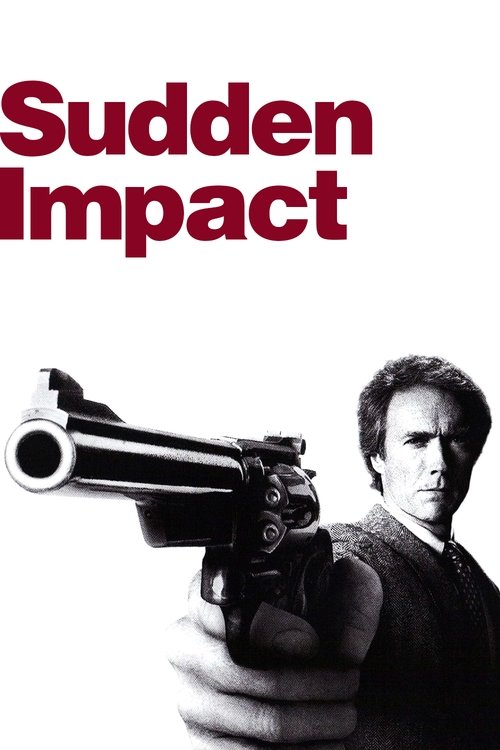
Sudden Impact
1983 · Directed by Clint Eastwood
Woke Score
CriticCritic Score
Audience
Based
Critics rated this 30 points above its woke score. Among Based films, this critic score ranks #287 of 345.
Representation Casting
Score: 30/100
Sondra Locke serves as co-lead with her character as the emotional center, though this is plot-driven rather than intentional progressive casting in a 1983 context.
LGBTQ+ Themes
Score: 0/100
No LGBTQ+ representation or thematic content present in the film.
Feminist Agenda
Score: 55/100
The film centers a woman's trauma and agency in seeking justice, yet frames her actions as aberration requiring correction by the male authority figure, reinforcing traditional masculine law-and-order values.
Racial Consciousness
Score: 5/100
No racial consciousness or social commentary. The film operates in a generic crime narrative space without engagement with racial themes.
Climate Crusade
Score: 0/100
No environmental themes or messaging present.
Eat the Rich
Score: 0/100
No anti-capitalist or class-consciousness messaging in the film.
Body Positivity
Score: 0/100
No body positivity themes or representation present.
Neurodivergence
Score: 0/100
No neurodivergence representation or themes.
Revisionist History
Score: 0/100
Not a historical film, so revisionist history markers do not apply.
Lecture Energy
Score: 10/100
The film prioritizes action and thriller elements over preachy messaging or social commentary, maintaining narrative momentum over moralizing.


Synopsis
When a young rape victim takes justice into her own hands and becomes a serial killer, it's up to Dirty Harry Callahan, on suspension from the SFPD, to bring her to justice.
Consciousness Assessment
Sudden Impact presents itself as a vehicle for female agency, yet operates as a fundamentally conservative reassertion of masculine authority. Sondra Locke's character, a rape victim turned serial killer, occupies the narrative center and commands our attention through her methodical revenge plot. Her trauma is treated seriously, her pain is palpable, and her actions drive the story forward. One could mistake this for progressive consciousness. One would be mistaken. Clint Eastwood's Dirty Harry, suspended from the force and drifting through the film, ultimately restores order by apprehending the female killer. The narrative arc positions his law-and-order vigilantism as the corrective to her vigilante justice. Her empowerment is framed as a deviation requiring masculine intervention, not as a legitimate expression of agency warranting validation. This is 1983 cinema operating within its own ideological framework, not a film conscious of or sympathetic to modern progressive sensibilities. The rape-revenge subgenre would eventually become a vehicle for more complex feminist interrogation, but this Eastwood vehicle remains locked in classical masculine power fantasy. The female victim is the plot device; the male detective is the protagonist. That Locke carries significant screen time and emotional weight does not alter this basic structural truth. The film is competent action cinema, efficient in its storytelling and committed to its genre conventions. It simply lacks any consciousness of the progressive social frameworks that would later animate discussions of trauma, agency, and justice.
Analysis generated by our Consciousness Algorithm
Critic Reviews
“Sudden Impact is a Dirty Harry movie with only the good parts left in. All the slow stuff, such as character, motivation, atmosphere and plot, has been pared to exactly the minimum necessary to hold together the violence.”
“A brutally hard-hitting policier which casts Clint Eastwood as audiences like to see him, as the toughest guy in town.”
“The whole thing is so obvious that people in the audience applaud and hoot; it might be mistaken for parody if the sledgehammer-slow pacing didn't tell you that the director (Eastwood) wasn't in on the joke. ”
Consciousness Markers
Sondra Locke serves as co-lead with her character as the emotional center, though this is plot-driven rather than intentional progressive casting in a 1983 context.
No LGBTQ+ representation or thematic content present in the film.
The film centers a woman's trauma and agency in seeking justice, yet frames her actions as aberration requiring correction by the male authority figure, reinforcing traditional masculine law-and-order values.
No racial consciousness or social commentary. The film operates in a generic crime narrative space without engagement with racial themes.
No environmental themes or messaging present.
No anti-capitalist or class-consciousness messaging in the film.
No body positivity themes or representation present.
No neurodivergence representation or themes.
Not a historical film, so revisionist history markers do not apply.
The film prioritizes action and thriller elements over preachy messaging or social commentary, maintaining narrative momentum over moralizing.