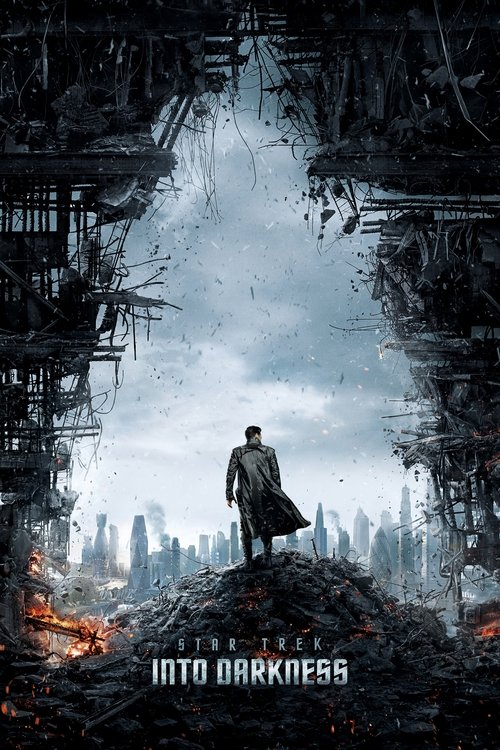
Star Trek Into Darkness
2013 · Directed by J.J. Abrams
Woke Score
CriticCritic Score
Audience
Ultra Based
Critics rated this 64 points above its woke score. Among Ultra Based films, this critic score ranks #557 of 1469.
Representation Casting
Score: 35/100
The film features a racially diverse cast including Zoe Saldana and Idris Elba, but the female characters are underwritten and serve primarily as plot devices rather than fully realized characters with agency.
LGBTQ+ Themes
Score: 0/100
No LGBTQ+ themes, representation, or subtext are present in the film. The characters and relationships remain strictly heteronormative.
Feminist Agenda
Score: 8/100
The film actively undermines feminist sensibilities through the gratuitous underwear scene featuring Alice Eve, which critics widely condemned as sexist and exploitative. Female characters lack agency and meaningful development.
Racial Consciousness
Score: 12/100
While the cast is diverse, the film does not engage meaningfully with racial themes or consciousness. The casting of Cumberbatch as Khan sidesteps the character's South Asian heritage without substantive exploration of the choice.
Climate Crusade
Score: 0/100
No climate-related themes, messaging, or concerns are present in the film. The environmental crisis is not addressed or referenced.
Eat the Rich
Score: 0/100
The film contains no anti-capitalist critique or messaging. It functions as a conventional militaristic action narrative with no examination of institutional power or economic systems.
Body Positivity
Score: 0/100
No body positivity messaging or representation is present. The film does not engage with discussions of body diversity or acceptance.
Neurodivergence
Score: 0/100
No representation of neurodivergence, disability, or neurodivergent characters is evident in the film.
Revisionist History
Score: 0/100
The film does not engage in revisionist historical narratives or attempt to reframe historical events through a progressive lens.
Lecture Energy
Score: 5/100
The film minimally preaches its values. While the cast diversity might suggest progressive intent, the film does not articulate or emphasize social consciousness through dialogue or thematic exploration.


Synopsis
When the crew of the Enterprise is called back home, they find an unstoppable force of terror from within their own organization has detonated the fleet and everything it stands for, leaving our world in a state of crisis. With a personal score to settle, Captain Kirk leads a manhunt to a war-zone world to capture a one man weapon of mass destruction. As our heroes are propelled into an epic chess game of life and death, love will be challenged, friendships will be torn apart, and sacrifices must be made for the only family Kirk has left: his crew.
Consciousness Assessment
Star Trek Into Darkness presents itself as a progressive blockbuster with a diverse ensemble cast, yet the film's actual engagement with contemporary social consciousness amounts to little more than surface decoration. Zoe Saldana and Idris Elba appear in the narrative, their presence suggesting an inclusive vision that the screenplay never substantiates. The female characters are subordinate to the action mechanics, serving plot functions rather than embodying agency. Most damningly, the film includes a scene in which Alice Eve's character undresses to her undergarments, a moment that critics and audiences recognized immediately as gratuitous sexualization rather than character development. This scene became the most memorable element of the film for many, a distinction that speaks volumes about the production's failure to think coherently about gender representation. J.J. Abrams later expressed regret about this choice, though the damage to the film's cultural legacy was already done.
The casting of Benedict Cumberbatch as Khan represents another complicated negotiation with representation. The original Khan was conceptualized as South Asian, and casting a white British actor in the role avoided explicit whitewashing while still sidestepping the opportunity to honor the character's ethnic specificity. The film does not engage meaningfully with racial consciousness, climate concerns, disability representation, or anti-capitalist critique. There are no prominent LGBTQ+ themes, no body positivity messaging, and no revisionist historical agenda. The film operates within a conventional action-adventure framework where diversity exists but remains unexamined, almost incidental to the narrative's preoccupation with spectacle and destruction.
What emerges from this analysis is a film caught between eras: too conventional for 2013's emerging standards of progressive filmmaking, yet presenting just enough surface diversity to avoid direct criticism. The film satisfies neither a rigorous commitment to inclusive storytelling nor a complete indifference to representation. Instead, it occupies an uncomfortable middle ground where diversity is performed without conviction, and where the most memorable scene is one that actively undermines the film's implicit claims to contemporary values. For a blockbuster aimed at a global audience, this represents a fundamental missed opportunity.
Analysis generated by our Consciousness Algorithm
Critic Reviews
“The result is a stunningly nervy sequel that vaporizes any worries that Abrams’ terrific 2009 reboot was a fluke. ”
“Yes, this one is even better: funnier, brawnier and ingeniously constructed for appeal to both devoted fans and reluctant converts. ”
“Into Darkness is a sleek, thrilling epic that's also a triumphantly witty popcorn morality play. It's everything you could want in a Star Trek movie. ”
“The only darkness here — besides the dingy-looking images dimmed by 3-D glasses — is the murky plot, which is as silly as it is arbitrary.”
Consciousness Markers
The film features a racially diverse cast including Zoe Saldana and Idris Elba, but the female characters are underwritten and serve primarily as plot devices rather than fully realized characters with agency.
No LGBTQ+ themes, representation, or subtext are present in the film. The characters and relationships remain strictly heteronormative.
The film actively undermines feminist sensibilities through the gratuitous underwear scene featuring Alice Eve, which critics widely condemned as sexist and exploitative. Female characters lack agency and meaningful development.
While the cast is diverse, the film does not engage meaningfully with racial themes or consciousness. The casting of Cumberbatch as Khan sidesteps the character's South Asian heritage without substantive exploration of the choice.
No climate-related themes, messaging, or concerns are present in the film. The environmental crisis is not addressed or referenced.
The film contains no anti-capitalist critique or messaging. It functions as a conventional militaristic action narrative with no examination of institutional power or economic systems.
No body positivity messaging or representation is present. The film does not engage with discussions of body diversity or acceptance.
No representation of neurodivergence, disability, or neurodivergent characters is evident in the film.
The film does not engage in revisionist historical narratives or attempt to reframe historical events through a progressive lens.
The film minimally preaches its values. While the cast diversity might suggest progressive intent, the film does not articulate or emphasize social consciousness through dialogue or thematic exploration.