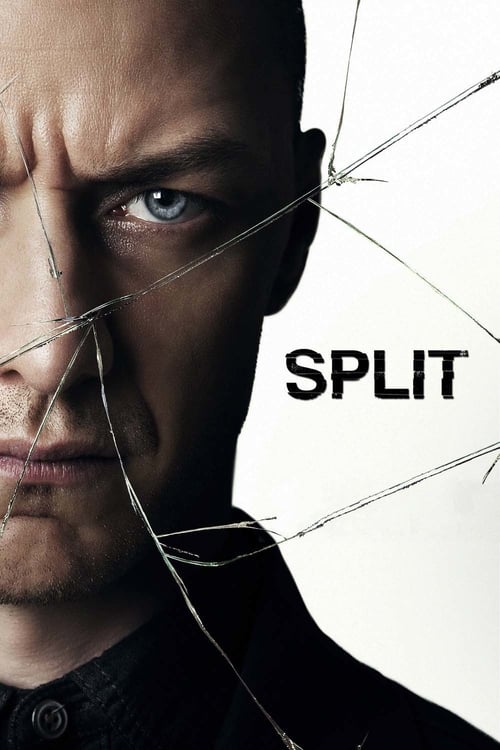
Split
2017 · Directed by M. Night Shyamalan
Woke Score
Critic Score
Audience
Ultra Based
Critics rated this 73 points above its woke score. Among Ultra Based films, this critic score ranks #480 of 833.
Representation Casting
Score: 15/100
Features Anya Taylor-Joy in a supporting role, providing demographic representation. However, her character and other female cast members function primarily as passive victims of male violence rather than agents of their own narrative.
LGBTQ+ Themes
Score: 0/100
No LGBTQ+ themes, characters, or representation present in the film.
Feminist Agenda
Score: 10/100
Female characters serve as victims of kidnapping and violence. Casey's survival relies on exploitation of her trauma history rather than active resistance or feminist agency.
Racial Consciousness
Score: 0/100
No meaningful racial consciousness or thematic engagement with race. Characters exist without racial dimension or commentary.
Climate Crusade
Score: 0/100
No climate-related themes or environmental consciousness present in the narrative.
Eat the Rich
Score: 0/100
No anti-capitalist themes or critique of economic systems present in the film.
Body Positivity
Score: 0/100
No body positivity themes or representation of diverse body types in a positive context.
Neurodivergence
Score: 5/100
While the film centers on dissociative identity disorder, it does so in a deeply stigmatizing manner. Mental health experts criticized the film for reinforcing harmful stereotypes linking neurodivergence to violence and predatory behavior.
Revisionist History
Score: 0/100
No revisionist history or reframing of historical events present in this contemporary psychological thriller.
Lecture Energy
Score: 5/100
The psychiatrist character provides some exposition about DID, but the film avoids heavy-handed moralizing. The lecture tone is minimal and integrated into dialogue.


Synopsis
Though Kevin has evidenced 23 personalities to his trusted psychiatrist, Dr. Fletcher, there remains one still submerged who is set to materialize and dominate all the others. Compelled to abduct three teenage girls led by the willful, observant Casey, Kevin reaches a war for survival among all of those contained within him — as well as everyone around him — as the walls between his compartments shatter apart.
Consciousness Assessment
Split arrives as a curious artifact of contemporary horror filmmaking, one that manages to be simultaneously engaged with and hostile toward the very concept of neurodivergent representation. M. Night Shyamalan's film centers dissociative identity disorder not as a condition deserving empathy or nuanced understanding, but as the root cause of villainy and predation. The result is a work that generates substantial cultural conversation about mental illness, yet does so in a manner that mental health advocates uniformly characterized as stigmatizing and harmful. One might say this represents a failure of the progressive sensibilities the film inadvertently courts through its earnest engagement with psychological complexity.
The film's treatment of its female characters follows familiar patterns of victimization cinema. Anya Taylor-Joy's Casey survives through a combination of trauma knowledge and passivity rather than agency. The other kidnapped girls exist primarily as collateral damage in Kevin's internal war. There is no meaningful feminist consciousness at work here, no interrogation of gendered violence that might elevate the material beyond exploitation. The casting of Taylor-Joy, a young actress of mixed racial heritage, provides surface-level demographic representation that the narrative itself refuses to acknowledge or develop.
What emerges from Split's modest cultural footprint is less a work of progressive cinema than a cautionary tale about representation without responsibility. The film grossed over $200 million worldwide on the strength of McAvoy's committed performance and the thriller's structural competence. Yet its legacy among disability advocates and mental health professionals remains uniformly negative. This is a film that talks about difference while visibly recoiling from it, a horror movie that treats neurodivergence itself as the true monster. The irony appears to have been lost on no one.
Analysis generated by our Consciousness Algorithm
Critic Reviews
“With the chilling, creepy, bold and sometimes bat-bleep absurd Split, the 46-year-old Shyamalan serves notice he's still got some nifty plot tricks up his sleeve and he hasn't lost his masterful touch as a director.”
“Split is funnier, campier, and more freewheeling than anything its writer-director has done — slightly overlong, but reminiscent of Brian De Palma films like "The Fury" and "Femme Fatale" in its refusal to be boring.”
“The director ties themes together at the end with more finesse than usual, letting a couple of meaningful visuals speak for themselves where he might have thrown in a line or two of explanatory dialogue. And as for that final twist, it's a doozy.”
“Although occasionally heavy-handed, Shyamalan's latest is his most considerate and effective film in years, with a startling emotional core.”
“Split goes all-in on McAvoy slipping from persona to persona, and luckily he's got the acting chops to sell it.”
“Shyamalan's goal is to keep us guessing, and in that respect, Split is a resounding success — even if in others, it could have you rolling your eyes.”
Consciousness Markers
Features Anya Taylor-Joy in a supporting role, providing demographic representation. However, her character and other female cast members function primarily as passive victims of male violence rather than agents of their own narrative.
No LGBTQ+ themes, characters, or representation present in the film.
Female characters serve as victims of kidnapping and violence. Casey's survival relies on exploitation of her trauma history rather than active resistance or feminist agency.
No meaningful racial consciousness or thematic engagement with race. Characters exist without racial dimension or commentary.
No climate-related themes or environmental consciousness present in the narrative.
No anti-capitalist themes or critique of economic systems present in the film.
No body positivity themes or representation of diverse body types in a positive context.
While the film centers on dissociative identity disorder, it does so in a deeply stigmatizing manner. Mental health experts criticized the film for reinforcing harmful stereotypes linking neurodivergence to violence and predatory behavior.
No revisionist history or reframing of historical events present in this contemporary psychological thriller.
The psychiatrist character provides some exposition about DID, but the film avoids heavy-handed moralizing. The lecture tone is minimal and integrated into dialogue.