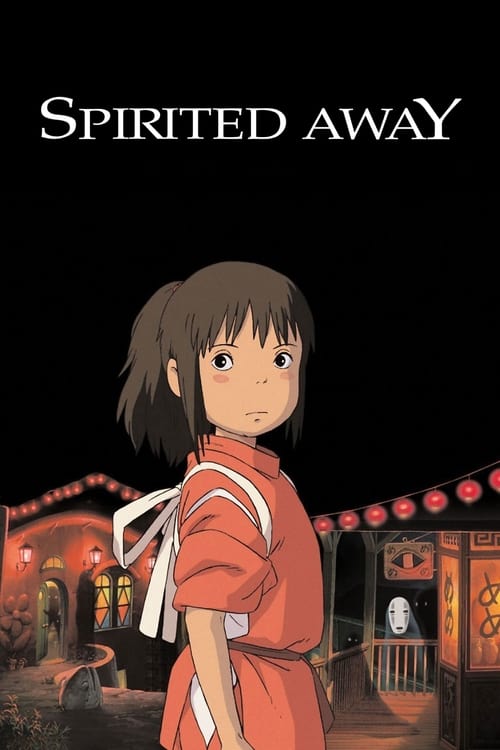
Spirited Away
2001 · Directed by Hayao Miyazaki
Woke Score
CriticCritic Score
Audience
Based
Critics rated this 74 points above its woke score. Among Based films, this critic score ranks #3 of 345.
Representation Casting
Score: 20/100
The cast reflects the film's Japanese setting naturally, but there is no deliberate effort to represent contemporary diversity categories or showcase underrepresented groups.
LGBTQ+ Themes
Score: 0/100
No LGBTQ+ representation or themes are present. The film contains no same-sex relationships, gender non-conformity, or queer subtext.
Feminist Agenda
Score: 35/100
Chihiro is a capable female protagonist who demonstrates agency and courage, yet her characterization emerges from narrative logic rather than preachy feminist messaging. The film does not explicitly celebrate her gender or frame her struggles through contemporary gender politics.
Racial Consciousness
Score: 10/100
The film draws from Japanese cultural traditions without framing them as exotic or requiring explanation. There is no contemporary racial consciousness or discussion of systemic inequality.
Climate Crusade
Score: 25/100
Environmental degradation and pollution serve as metaphors for spiritual corruption, reflecting Miyazaki's ecological concerns. However, the film presents these as timeless moral problems rather than contemporary climate activism.
Eat the Rich
Score: 30/100
Greed and exploitation drive the narrative's central conflict, yet this critique emerges from traditional moral frameworks rather than contemporary anti-capitalist ideology or systemic economic analysis.
Body Positivity
Score: 5/100
The film contains no body positivity messaging or commentary on body image. Characters are drawn in varied forms without judgment, but this reflects artistic choice rather than deliberate representation.
Neurodivergence
Score: 0/100
No neurodivergent characters or themes are present. The film contains no representation of autism, ADHD, mental illness, or cognitive difference.
Revisionist History
Score: 5/100
The film draws from Japanese mythology without attempting historical revision or contemporary reframing. It treats traditional material respectfully rather than reconceptualizing it through modern political lenses.
Lecture Energy
Score: 15/100
The film trusts its audience to derive meaning from metaphor and emotional experience. There is minimal preachy messaging or explicit instruction about what viewers should think regarding social issues.


Synopsis
A young girl, Chihiro, becomes trapped in a strange new world of spirits. When her parents undergo a mysterious transformation, she must call upon the courage she never knew she had to free her family.
Consciousness Assessment
Spirited Away exists in a curious temporal space, released before the specific cultural markers of 2020s progressive sensibility had fully crystallized. The film features a resourceful female protagonist who demonstrates agency and moral courage, yet this characterization emerges from narrative necessity rather than preachy cultural positioning. Chihiro's journey involves learning to assert herself and maintain her identity under pressure, but the film presents this through metaphor and emotional truth rather than explicit social commentary. The environmental degradation that corrupts the spirit world reflects Miyazaki's long-standing ecological concerns, yet these themes function as metaphorical critique rather than direct political messaging demanding audience alignment.
The supporting cast includes characters across various social stations without celebration of diversity as a value in itself. The film draws liberally from Japanese mythology and cultural traditions, treating this material as simply the world the story inhabits, without attempting to educate or contextualize for Western audiences. There is no visible representation of contemporary marginalized groups, no LGBTQ+ content, and no neurodivergent characterization. The film remains free from overt bigotry, but also free from any deliberate effort at inclusive representation.
Spirited Away is a humanistic work concerned with identity, greed, and resilience that trusts its audience to derive meaning without guidance. There are no lectures about systemic injustice, no intersectional analysis, no appeals to recognize the protagonist's struggles through a framework of contemporary social consciousness. The film is morally serious but not politically self-aware in the manner that defines modern progressive cinema.
Analysis generated by our Consciousness Algorithm
Critic Reviews
“A visual masterpiece about a scared little girl's breathtaking journey of self-discovery. All of the fun is getting there.”
“Yet its visual surrealism, identity-bending and strong social/ecological message make it as much an allegory as a fable.”
“Turns everything we know about the contemporary world on its head, and substitutes it with one in which spirits, monsters, magicians and animals mix it up in a carnival of energy, good humor and freewheeling illusion.”
“A lovely, evocative tour de force. So why does it seem we should be enjoying it more?”
Consciousness Markers
The cast reflects the film's Japanese setting naturally, but there is no deliberate effort to represent contemporary diversity categories or showcase underrepresented groups.
No LGBTQ+ representation or themes are present. The film contains no same-sex relationships, gender non-conformity, or queer subtext.
Chihiro is a capable female protagonist who demonstrates agency and courage, yet her characterization emerges from narrative logic rather than preachy feminist messaging. The film does not explicitly celebrate her gender or frame her struggles through contemporary gender politics.
The film draws from Japanese cultural traditions without framing them as exotic or requiring explanation. There is no contemporary racial consciousness or discussion of systemic inequality.
Environmental degradation and pollution serve as metaphors for spiritual corruption, reflecting Miyazaki's ecological concerns. However, the film presents these as timeless moral problems rather than contemporary climate activism.
Greed and exploitation drive the narrative's central conflict, yet this critique emerges from traditional moral frameworks rather than contemporary anti-capitalist ideology or systemic economic analysis.
The film contains no body positivity messaging or commentary on body image. Characters are drawn in varied forms without judgment, but this reflects artistic choice rather than deliberate representation.
No neurodivergent characters or themes are present. The film contains no representation of autism, ADHD, mental illness, or cognitive difference.
The film draws from Japanese mythology without attempting historical revision or contemporary reframing. It treats traditional material respectfully rather than reconceptualizing it through modern political lenses.
The film trusts its audience to derive meaning from metaphor and emotional experience. There is minimal preachy messaging or explicit instruction about what viewers should think regarding social issues.