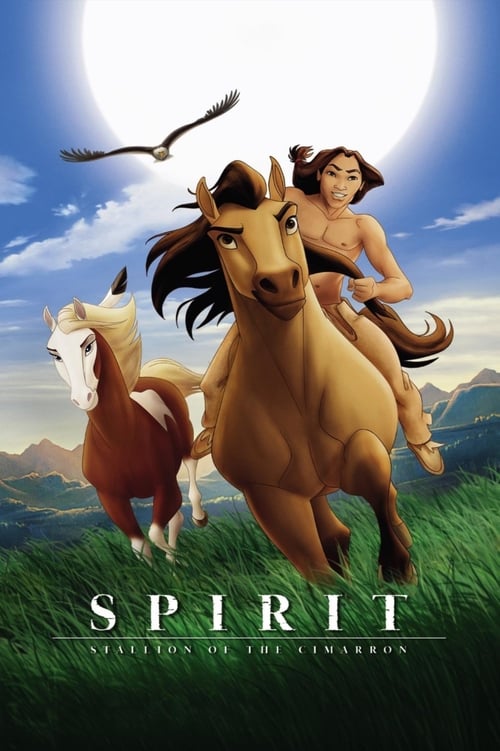
Spirit: Stallion of the Cimarron
2002 · Directed by Kelly Asbury
Woke Score
CriticCritic Score
Audience
Based
Critics rated this 14 points above its woke score. Among Based films, this critic score ranks #283 of 345.
Representation Casting
Score: 35/100
The film features Daniel Studi as Little Creek, a Lakota character central to the narrative with genuine agency and dignity. However, the cast is predominantly white, and Native American representation, while respectful, remains limited to a single major character.
LGBTQ+ Themes
Score: 0/100
No LGBTQ+ themes, characters, or representation are present in the film.
Feminist Agenda
Score: 5/100
Female characters are largely absent from the narrative. The film is dominated by male characters and male-centered conflicts. Little Creek is male, and no significant female perspectives are offered.
Racial Consciousness
Score: 50/100
The film explicitly portrays U.S. Cavalry actions as destructive and positions Native Americans as victims of colonialism. However, it frames this through timeless mythic language rather than modern social justice terminology, and lacks the diagnostic social analysis of contemporary progressive media.
Climate Crusade
Score: 40/100
Environmental destruction through industrial expansion and westward settlement is a central thematic concern. The film mourns the loss of wild spaces and natural harmony, though it frames this through romantic environmentalism rather than contemporary climate activism.
Eat the Rich
Score: 25/100
The film depicts industrial capitalism and military-industrial expansion negatively, but frames this critique through the lens of nature and freedom rather than through modern anti-capitalist ideology or class consciousness.
Body Positivity
Score: 0/100
No body positivity discourse or representation of diverse body types is present in the film.
Neurodivergence
Score: 0/100
No neurodivergent characters or representation of neurodiversity is present in the film.
Revisionist History
Score: 45/100
The film reframes the American West through an anti-colonial perspective that challenges the Manifest Destiny narrative. However, it does so through simplistic moral categories and does not engage in the complex historical interrogation that characterizes modern revisionist approaches.
Lecture Energy
Score: 15/100
The film integrates its themes organically into narrative and character relationships rather than deploying preachy exposition. The messaging emerges through Spirit's perspective and Little Creek's experiences, avoiding heavy-handed preaching.


Synopsis
A captured mustang remains determined to return to his herd no matter what.
Consciousness Assessment
Spirit: Stallion of the Cimarron presents a curious artifact of early-2000s DreamWorks sensibility, one that emerged from an era when progressive storytelling had not yet crystallized into the specific markers we now recognize. The film's central conceit—a wild mustang narrator witnessing the collision between indigenous peoples and industrial expansion—offers a framework for critiquing American westward expansion and celebrating Native American resilience. Little Creek, the Lakota protagonist, carries the emotional weight of the narrative and is portrayed with genuine dignity and agency, a choice that stood apart from Hollywood convention at the time.
Yet to assess this film through the lens of contemporary cultural consciousness is to encounter a profound temporal mismatch. The film's progressive instincts operate through older humanist traditions: the celebration of freedom, the romance of nature, the moral clarity of good versus evil. These are not the same as the specific modern social justice frameworks that emerged in the 2010s and solidified in the 2020s. There is no interrogation of systemic power through contemporary political language, no visible representation of gender fluidity or neurodiversity, no body diversity discourse. The environmental critique exists but lacks the climate-focused urgency that defines modern progressive media. The film trades in timeless themes of liberty and harmony with nature rather than the diagnostic social consciousness that characterizes contemporary progressive storytelling.
What we observe is a film made with genuine respect for its subject matter, but operating in a different register entirely. It is earnest rather than self-aware, mythic rather than analytical, and fundamentally wedded to the conventions of the family animated adventure rather than the identity-conscious prestige drama. To score it highly on modern markers would be to mistake sincerity for consciousness, and to score it low would be to ignore its genuine attempts at cultural respect. The film occupies an ambiguous middle ground: progressive for 2002, but not progressive in the specific manner we now measure.
Analysis generated by our Consciousness Algorithm
Critic Reviews
“It's an extraordinary feat of animation, possibly the most lovingly conceived, uncompromisingly executed and totally successful animated film since "The Lion King."”
“It's classic animation wedded to modern technology -- painted pictures that move in magical splendor.”
“The movie's big action scenes, at times, make you forget you're even watching animation. There's an in-your-face sequence involving a runaway, crashing train that will make you squirm in your seat trying to get out of the way.”
“It's an exceptionally dreary and overwrought bit of work, every bit as imperious as Katzenberg's "The Prince of Egypt" from 1998.”
Consciousness Markers
The film features Daniel Studi as Little Creek, a Lakota character central to the narrative with genuine agency and dignity. However, the cast is predominantly white, and Native American representation, while respectful, remains limited to a single major character.
No LGBTQ+ themes, characters, or representation are present in the film.
Female characters are largely absent from the narrative. The film is dominated by male characters and male-centered conflicts. Little Creek is male, and no significant female perspectives are offered.
The film explicitly portrays U.S. Cavalry actions as destructive and positions Native Americans as victims of colonialism. However, it frames this through timeless mythic language rather than modern social justice terminology, and lacks the diagnostic social analysis of contemporary progressive media.
Environmental destruction through industrial expansion and westward settlement is a central thematic concern. The film mourns the loss of wild spaces and natural harmony, though it frames this through romantic environmentalism rather than contemporary climate activism.
The film depicts industrial capitalism and military-industrial expansion negatively, but frames this critique through the lens of nature and freedom rather than through modern anti-capitalist ideology or class consciousness.
No body positivity discourse or representation of diverse body types is present in the film.
No neurodivergent characters or representation of neurodiversity is present in the film.
The film reframes the American West through an anti-colonial perspective that challenges the Manifest Destiny narrative. However, it does so through simplistic moral categories and does not engage in the complex historical interrogation that characterizes modern revisionist approaches.
The film integrates its themes organically into narrative and character relationships rather than deploying preachy exposition. The messaging emerges through Spirit's perspective and Little Creek's experiences, avoiding heavy-handed preaching.