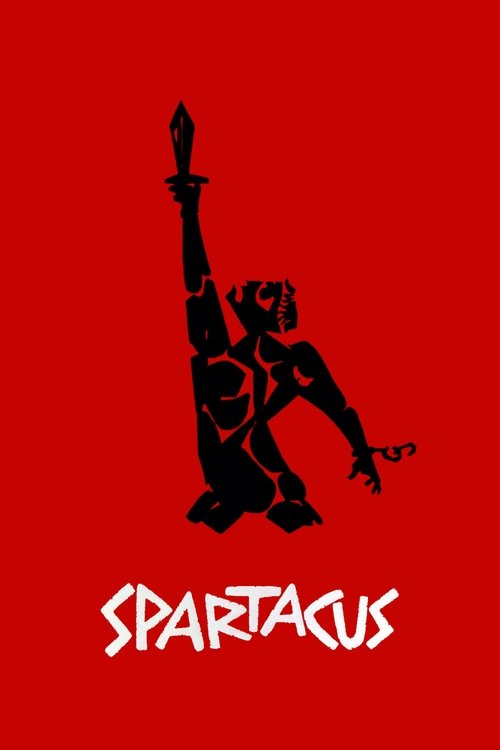
Spartacus
1960 · Directed by Stanley Kubrick
Woke Score
CriticCritic Score
Audience
Ultra Based
Critics rated this 79 points above its woke score. Among Ultra Based films, this critic score ranks #208 of 1469.
Representation Casting
Score: 0/100
Cast consists entirely of white European actors playing historical figures, with no effort toward inclusive representation or discussion of casting choices.
LGBTQ+ Themes
Score: 0/100
No LGBTQ+ characters, themes, or representation present in the film.
Feminist Agenda
Score: 0/100
Female characters exist but lack agency or feminist examination; they function as supporting players within a male-centered narrative.
Racial Consciousness
Score: 0/100
While the film depicts slavery, it does not engage with racial consciousness or modern racial justice discourse; slavery is presented as universal class oppression rather than racialized exploitation.
Climate Crusade
Score: 0/100
No environmental themes or climate-related content present in the film.
Eat the Rich
Score: 35/100
The narrative centers on slaves rejecting exploitation and rebelling against their oppressors, with themes of workers' solidarity and resistance to domination. However, this emerges from historical subject matter rather than contemporary anti-capitalist critique.
Body Positivity
Score: 0/100
Depiction of gladiator bodies focuses on physical prowess and combat effectiveness, not body positivity or acceptance of diverse body types.
Neurodivergence
Score: 0/100
No representation of neurodivergent characters or exploration of neurodivergence themes.
Revisionist History
Score: 0/100
The film portrays the historical Spartacus rebellion relatively straightforwardly for its era without rewriting history to center marginalized perspectives through a contemporary lens.
Lecture Energy
Score: 15/100
The film contains preachy moments about freedom and solidarity, particularly in famous scenes like the 'I am Spartacus' declaration, but this reflects classical storytelling rather than modern lecture-oriented cinema.


Synopsis
The rebellious Thracian Spartacus, born and raised a slave, is sold to Gladiator trainer Batiatus. After weeks of being trained to kill for the arena, Spartacus turns on his owners and leads the other slaves in rebellion. As the rebels move from town to town, their numbers swell as escaped slaves join their ranks. Under the leadership of Spartacus, they make their way to southern Italy, where they will cross the sea and return to their homes.
Consciousness Assessment
Spartacus arrives as a morally serious historical epic about slavery and class rebellion, directed by Stanley Kubrick and written by the blacklisted Dalton Trumbo. The film's cultural significance is undeniable, particularly for its role in breaking the Hollywood blacklist when Trumbo's name appeared in the credits. Yet we must distinguish between historical importance and contemporary cultural markers. The film depicts oppression and resistance with clarity and conviction, but it does not do so through the specific lens of 2020s progressive sensibilities. The cast is uniformly white and European, the female characters serve supporting roles without agency, and the narrative focuses on universal class struggle rather than racialized or intersectional analysis. The film's anti-capitalist elements emerge naturally from its historical subject matter rather than from contemporary critique of wealth inequality. What we have is a classical historical drama with serious moral concerns, not a film animated by modern social consciousness. The distinction matters. Spartacus is important cinema about important subjects, but it exists in a different register than films designed to signal progressive cultural awareness. Its revolutionary fervor belongs to 1960, not to the contemporary moment.
Analysis generated by our Consciousness Algorithm
Critic Reviews
“There is solid dramatic substance, purposeful and intriguingly contrasted character portrayals and, let's come right out with it, sheer pictorial poetry that is sweeping and savage, intimate and lusty, tender and bitter sweet.”
“Spartacus' merry rabble swarms across country to face a Roman army that, seen from a distance, resembles either a group of ants moving in perfect formation or living chessboard squares marching in order — an unbeatable, fascist machine. It's a breathtaking moment, which forces you to realise that Kubrick (before CGI) had to command extras as rigidly as Crassus runs Rome.”
“Spartacus is still a remarkable epic--one of the greatest tales of the ancient world ever to hit the screen. It's especially strong, and more typical of Kubrick, in the first half--before satire gives way to sentiment.”
“It is a spotty, uneven drama in which the entire opening phase representing the basic-training program in a gladiatorial school is lively, exciting and expressive, no matter how true to history it is, and the middle phase is pretentious and tedious, because it is concerned with the dull strife of politics.”
Consciousness Markers
Cast consists entirely of white European actors playing historical figures, with no effort toward inclusive representation or discussion of casting choices.
No LGBTQ+ characters, themes, or representation present in the film.
Female characters exist but lack agency or feminist examination; they function as supporting players within a male-centered narrative.
While the film depicts slavery, it does not engage with racial consciousness or modern racial justice discourse; slavery is presented as universal class oppression rather than racialized exploitation.
No environmental themes or climate-related content present in the film.
The narrative centers on slaves rejecting exploitation and rebelling against their oppressors, with themes of workers' solidarity and resistance to domination. However, this emerges from historical subject matter rather than contemporary anti-capitalist critique.
Depiction of gladiator bodies focuses on physical prowess and combat effectiveness, not body positivity or acceptance of diverse body types.
No representation of neurodivergent characters or exploration of neurodivergence themes.
The film portrays the historical Spartacus rebellion relatively straightforwardly for its era without rewriting history to center marginalized perspectives through a contemporary lens.
The film contains preachy moments about freedom and solidarity, particularly in famous scenes like the 'I am Spartacus' declaration, but this reflects classical storytelling rather than modern lecture-oriented cinema.