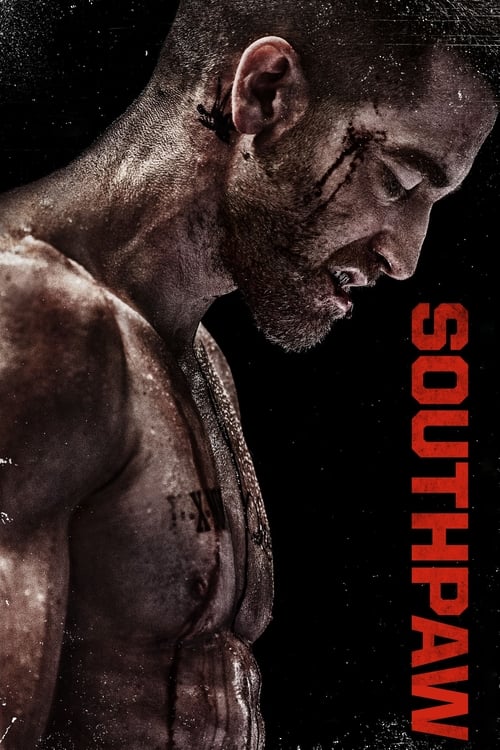
Southpaw
2015 · Directed by Antoine Fuqua
Woke Score
CriticCritic Score
Ultra Based
Critics rated this 58 points above its woke score. Among Ultra Based films, this critic score ranks #840 of 1469.
Representation Casting
Score: 15/100
The film features diverse casting and a predominantly Black supporting ensemble, but treats racial diversity as scenic authenticity rather than meaningful representation. Characters exist in the story without challenging or exploring their circumstances.
LGBTQ+ Themes
Score: 0/100
No LGBTQ+ themes, representation, or content present in the film.
Feminist Agenda
Score: 0/100
The narrative centers entirely on the male protagonist's redemption arc. Female characters, particularly Rachel McAdams' wife, function primarily as plot devices rather than autonomous agents.
Racial Consciousness
Score: 5/100
The film is set in a Black neighborhood with Black characters occupying important roles, but it contains no explicit engagement with systemic racism or racial themes. The setting and casting serve narrative purposes rather than thematic exploration.
Climate Crusade
Score: 0/100
No climate-related themes or environmental consciousness present.
Eat the Rich
Score: 0/100
The film celebrates boxing as a pathway to wealth restoration and personal success. The narrative reinforces capitalist values rather than critiquing them.
Body Positivity
Score: 0/100
The film fetishizes physical perfection and extreme bodily transformation. It valorizes the athlete's body as ideal, offering no critique of body standards or celebration of bodily diversity.
Neurodivergence
Score: 0/100
No representation of or engagement with neurodivergence in the film.
Revisionist History
Score: 0/100
No historical revisionism. The film is a contemporary sports drama with no historical pretensions or reinterpretations.
Lecture Energy
Score: 0/100
The film does not lecture audiences about social issues. It pursues a straightforward redemption narrative without preachy engagement with contemporary social themes.


Synopsis
Billy "The Great" Hope, the reigning junior middleweight boxing champion, has an impressive career, a loving wife and daughter, and a lavish lifestyle. However, when tragedy strikes, Billy hits rock bottom, losing his family, his house and his manager. He soon finds an unlikely savior in Tick Willis, a former fighter who trains the city's toughest amateur boxers. With his future on the line, Hope fights to reclaim the trust of those he loves the most.
Consciousness Assessment
Southpaw presents the paradox of a film that appears diverse on its surface while remaining committed to the most conventional narrative structures available to American cinema. Antoine Fuqua's boxing drama features a predominantly Black supporting cast and is set in a recognizably Black neighborhood, yet treats these elements as scenic dressing rather than thematic content. The film is interested in Billy Hope's personal redemption, not in any structural critique of the systems that might have contributed to his downfall or the circumstances of those around him.
Forest Whitaker's Tick Willis occupies the role of the wise mentor, a character type so well-established in film that his presence signals emotional authenticity to audiences without requiring the narrative to actually examine the relationship between race, class, and opportunity. His casting is not progressive representation but rather the continuation of a tradition in which Black actors lend moral weight to stories centered on white protagonists. The film does not engage with racial consciousness so much as it deploys racial diversity as a marker of authenticity.
Where Southpaw truly distinguishes itself is in its absolute commitment to the valorization of physical transformation and bodily discipline as the path to redemption. Gyllenhaal's extreme physical preparation became the film's primary talking point, a transformation that subordinates all other concerns to the pursuit of an idealized masculine form. The narrative celebrates not introspection or systemic change but rather the grinding, individual effort of the body itself. In this sense, Southpaw is a film about the triumph of the will expressed through muscle, a deeply traditional redemption story that requires no interrogation of its own assumptions.
Analysis generated by our Consciousness Algorithm
Critic Reviews
“If Southpaw leaves you hungry, this much is also true: The "food" was good in the first place.”
“Be forewarned: The rural Irish accents may be incomprehensible to viewers who aren't accustomed to them.”
Consciousness Markers
The film features diverse casting and a predominantly Black supporting ensemble, but treats racial diversity as scenic authenticity rather than meaningful representation. Characters exist in the story without challenging or exploring their circumstances.
No LGBTQ+ themes, representation, or content present in the film.
The narrative centers entirely on the male protagonist's redemption arc. Female characters, particularly Rachel McAdams' wife, function primarily as plot devices rather than autonomous agents.
The film is set in a Black neighborhood with Black characters occupying important roles, but it contains no explicit engagement with systemic racism or racial themes. The setting and casting serve narrative purposes rather than thematic exploration.
No climate-related themes or environmental consciousness present.
The film celebrates boxing as a pathway to wealth restoration and personal success. The narrative reinforces capitalist values rather than critiquing them.
The film fetishizes physical perfection and extreme bodily transformation. It valorizes the athlete's body as ideal, offering no critique of body standards or celebration of bodily diversity.
No representation of or engagement with neurodivergence in the film.
No historical revisionism. The film is a contemporary sports drama with no historical pretensions or reinterpretations.
The film does not lecture audiences about social issues. It pursues a straightforward redemption narrative without preachy engagement with contemporary social themes.