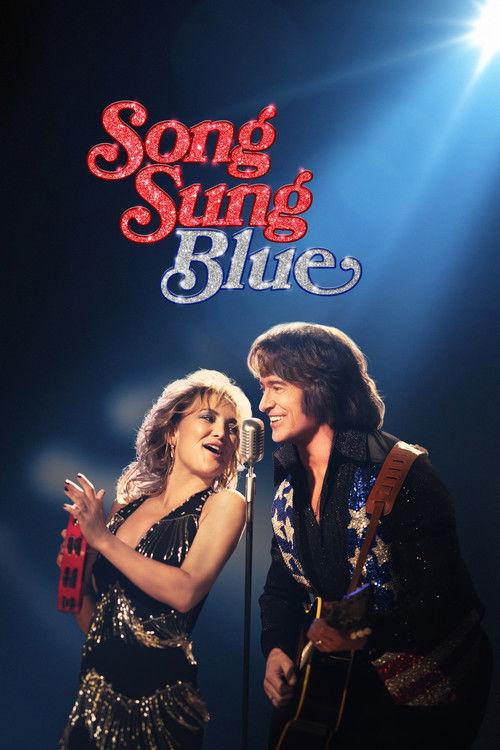
Song Sung Blue
2025 · Directed by Craig Brewer
Woke Score
CriticCritic Score
Audience
Ultra Based
Critics rated this 57 points above its woke score. Among Ultra Based films, this critic score ranks #858 of 1469.
Representation Casting
Score: 12/100
King Princess and Mustafa Shakir appear in the cast, providing minimal representation. However, they function as background or secondary characters without thematic development related to their identities.
LGBTQ+ Themes
Score: 0/100
No evidence of LGBTQ themes or representation serving a thematic purpose in the narrative.
Feminist Agenda
Score: 0/100
While Kate Hudson plays a female lead, the film centers on a romantic partnership rather than feminist critique or consciousness.
Racial Consciousness
Score: 0/100
The film is set in 1990s Milwaukee and focuses on its white protagonists. No evidence of engagement with racial themes or consciousness.
Climate Crusade
Score: 0/100
No climate messaging or environmental themes present in the film.
Eat the Rich
Score: 0/100
The narrative celebrates entrepreneurial success and individual achievement without critique of capitalist structures.
Body Positivity
Score: 0/100
No evidence of body positivity messaging or non-normative body representation serving thematic purposes.
Neurodivergence
Score: 0/100
No representation or thematic engagement with neurodivergence.
Revisionist History
Score: 0/100
The film presents a straightforward biographical account without reinterpreting historical events or figures.
Lecture Energy
Score: 8/100
Minimal preachy tone. The film prioritizes narrative entertainment, though its earnest treatment of artistic passion and perseverance carries slight moralizing undertones.


Synopsis
Based on a true story, two down-on-their-luck musicians form a joyous Neil Diamond tribute band, proving it's never too late to find love and follow your dreams.
Consciousness Assessment
Craig Brewer's "Song Sung Blue" is a determinedly apolitical artifact, a film that treats its source material with such reverent earnestness that it seems almost hostile to contemporary cultural commentary. Set in the early 1990s and chronicling the rise of a Neil Diamond tribute band in Milwaukee, the picture concerns itself with the most traditional narrative architecture available: two people in love, against the odds, pursuing an unconventional dream. The cast is described as predominantly white, with some representation of other groups, but these characters exist primarily as background figures rather than focal points of thematic interest. Brewer's directorial approach suggests a filmmaker more interested in the warm nostalgia of a particular American moment than in interrogating the power structures within it.
The film's only tangible engagement with contemporary social consciousness appears in its casting of King Princess and Mustafa Shakir, which provides marginal representation without any apparent thematic purpose. No evidence of climate messaging, anti-capitalist sentiment, or revisionist historical examination emerges from the available materials. The narrative remains firmly grounded in individualist mythology: success through talent, persistence, and romantic partnership. Body positivity, neurodivergence representation, and LGBTQ thematic content are absent or entirely incidental. The film functions as a monument to pre-2015 American sentiment, concerned with universal human experiences rather than the granular identity politics that define contemporary progressive filmmaking.
What we have, ultimately, is a sincere piece of entertainment that operates entirely outside the contemporary cultural discourse. The film earned respectable box office returns and positive critical reception, suggesting audiences found value in its straightforward approach to narrative. Brewer has constructed something that might be called humanist rather than progressive, a distinction that proves crucial in this particular taxonomic exercise. "Song Sung Blue" represents not indifference to social consciousness but rather a deliberate choice to center love, music, and perseverance as the primary dramatic concerns.
Analysis generated by our Consciousness Algorithm
Critic Reviews
“Song Sung Blue is one of my favorite movies of the year. It all has to do with Hugh Jackman and Kate Hudson’s performances, along with a touching script by Craig Brewer and Greg Kohs. What makes this story so compelling is not only that it is true, but also that Mike Sardina and Claire Stengl are us. They are normal people who want to perform and bring happiness to the world.”
“The determination to find greatness in the ordinary gives Song Sung Blue a magical, unforced luminescence that much more immodest films usually lack. ”
“The couple’s earnestness sounds mockable, but it’s not: They are too sincere, too joyful and too grateful to be doing the only thing that either of them ever wanted to do. And right now all I want to do is dust off my vinyl copy of “Hot August Night.””
“Hudson and Jackman are fine, but the movie's overwrought and, at times, irritating portrayal of disability and poverty gets old fast leaving you with the songs, which also become stagnant. Just go drunkenly sing "Sweet Caroline" in a bar for two hours.”
Consciousness Markers
King Princess and Mustafa Shakir appear in the cast, providing minimal representation. However, they function as background or secondary characters without thematic development related to their identities.
No evidence of LGBTQ themes or representation serving a thematic purpose in the narrative.
While Kate Hudson plays a female lead, the film centers on a romantic partnership rather than feminist critique or consciousness.
The film is set in 1990s Milwaukee and focuses on its white protagonists. No evidence of engagement with racial themes or consciousness.
No climate messaging or environmental themes present in the film.
The narrative celebrates entrepreneurial success and individual achievement without critique of capitalist structures.
No evidence of body positivity messaging or non-normative body representation serving thematic purposes.
No representation or thematic engagement with neurodivergence.
The film presents a straightforward biographical account without reinterpreting historical events or figures.
Minimal preachy tone. The film prioritizes narrative entertainment, though its earnest treatment of artistic passion and perseverance carries slight moralizing undertones.