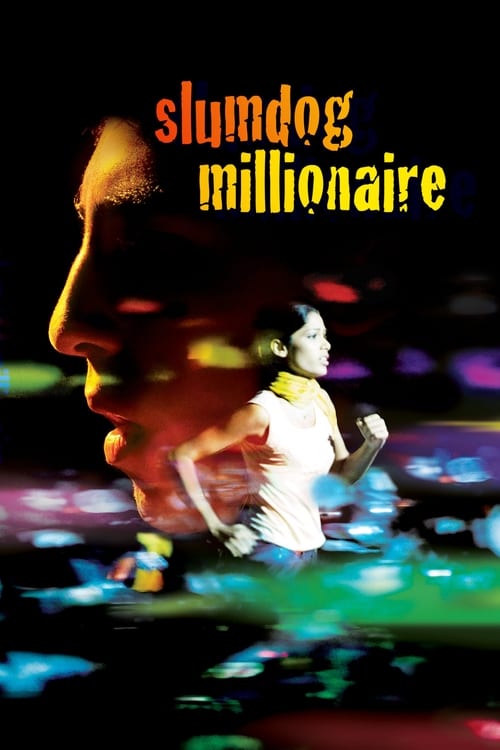
Slumdog Millionaire
2008 · Directed by Danny Boyle
Woke Score
CriticCritic Score
Audience
Based
Critics rated this 56 points above its woke score. Among Based films, this critic score ranks #47 of 345.
Representation Casting
Score: 50/100
The film features predominantly Indian actors in leading roles and was shot in India with Indian production elements, yet the narrative is directed through a Western lens by a British director. The casting reflects authentic representation of the setting, but the overall framing raises questions about who is telling this story and for whom.
LGBTQ+ Themes
Score: 0/100
There is no evidence of LGBTQ+ themes, characters, or representation in the film. The narrative focuses entirely on heterosexual romance between Jamal and Latika.
Feminist Agenda
Score: 15/100
Latika is a central character but functions primarily as a narrative prize rather than an agent of her own story. She experiences significant trauma and exploitation with minimal agency in her resolution, undermining any feminist sensibility in the narrative.
Racial Consciousness
Score: 35/100
The film depicts class and caste dynamics within India and shows exploitation of marginalized communities, but does so through an orientalist aesthetic that emphasizes exoticism and otherness rather than normalizing the lived experience of Indian people.
Climate Crusade
Score: 0/100
There is no evidence of climate change themes, environmental consciousness, or ecological concerns in the film. The narrative makes no engagement with environmental issues.
Eat the Rich
Score: 25/100
The film depicts systemic exploitation and wealth inequality, showing how the poor are victimized by corrupt systems and powerful individuals. However, the resolution endorses individual transcendence through capitalist competition (winning the game show) rather than structural critique.
Body Positivity
Score: 0/100
There is no evidence of body positivity themes or challenges to conventional beauty standards in the film. The narrative makes no engagement with body image or physical diversity beyond what naturally occurs in casting.
Neurodivergence
Score: 0/100
There is no evidence of neurodivergent representation or engagement with disability and cognitive difference in the film.
Revisionist History
Score: 0/100
The film is not a historical narrative and makes no attempt to reinterpret historical events. It is a contemporary fictional story set in 2008 India.
Lecture Energy
Score: 20/100
While the film contains social commentary on poverty and exploitation, it does not adopt a preachy or preachy tone. The critique emerges through narrative and imagery rather than explicit messaging, though the visual sensationalism carries its own form of implicit instruction.

Synopsis
A teenager reflects on his life after being accused of cheating on the Indian version of "Who Wants to be a Millionaire?".
Consciousness Assessment
Slumdog Millionaire occupies an awkward position in the cultural landscape of progressive cinema, arriving at a moment when Western directors could still engage with developing-world narratives without sustained interrogation of their own perspective. The film does contain genuine social consciousness regarding poverty, exploitation, and class inequality in contemporary Mumbai. The depiction of child abuse, labor trafficking, and systemic violence against the underclass reflects a serious engagement with material conditions, and the narrative structure deliberately interweaves Jamal's triumph with the grinding realities of slum life rather than treating them as separate concerns. Yet this social awareness exists in tension with the film's fundamental orientation toward a Western audience consuming exotic imagery of India's underclass. The visual language emphasizes sensationalism and otherness rather than normalization, a distinction that matters considerably when assessing the nature of the consciousness being expressed.
The gender dynamics present a significant limitation. Latika functions less as a character with agency and more as a narrative device, the prize to be won after Jamal's game show victory. She experiences profound trauma and exploitation throughout the film, yet the resolution offers her only passive acceptance of rescue rather than any active determination of her own fate. This is not merely a plot point but reflects a broader limitation in how the film conceptualizes female autonomy within its framework. The representation of India itself, while containing Indian actors and being filmed on location, has been subject to sustained criticism from Indian audiences and scholars for relying on stereotypical imagery that flattens the nation's complexity into a visual register designed for Western consumption. Director Danny Boyle himself later acknowledged that he would not make this film today, citing cultural appropriation concerns that suggest even the filmmakers recognize the problematic dimensions of their approach.
The film's social commentary on wealth inequality and systemic exploitation is genuine but ultimately contained within a romantic fantasy resolution. We are meant to feel satisfaction when Jamal wins and reunites with Latika, yet this personal triumph leaves the structures of poverty and corruption entirely intact. The anti-capitalist dimension, such as it exists, functions more as background texture than as a central interrogation. There is no questioning of the game show apparatus itself as a mechanism of spectacle, nor any serious engagement with how individual transcendence does nothing to address collective suffering. For a film made in 2008, before the full emergence of contemporary social justice discourse, the achievement of depicting poverty and violence with such visual and narrative intensity carries weight. But measured against the contemporary markers of progressive sensibility, the film's limitations in representation, gender dynamics, and structural critique become increasingly apparent.
Analysis generated by our Consciousness Algorithm
Critic Reviews
“Four stars simply aren't enough for Danny Boyle's Slumdog Millionaire, which just may be the most entertaining movie I've ever labeled a masterpiece in these pages.”
“This is a breathless, exciting story, heartbreaking and exhilarating at the same time.”
“Director Danny Boyle's riveting and kaleidoscopic tale, based on Vikas Swarup's debut novel "Q and A," is exquisitely adapted to the screen by Simon Beaufoy.”
“Doesn't hit its stride until the last 30 minutes, and by then, it's just a little too late.”
Consciousness Markers
The film features predominantly Indian actors in leading roles and was shot in India with Indian production elements, yet the narrative is directed through a Western lens by a British director. The casting reflects authentic representation of the setting, but the overall framing raises questions about who is telling this story and for whom.
There is no evidence of LGBTQ+ themes, characters, or representation in the film. The narrative focuses entirely on heterosexual romance between Jamal and Latika.
Latika is a central character but functions primarily as a narrative prize rather than an agent of her own story. She experiences significant trauma and exploitation with minimal agency in her resolution, undermining any feminist sensibility in the narrative.
The film depicts class and caste dynamics within India and shows exploitation of marginalized communities, but does so through an orientalist aesthetic that emphasizes exoticism and otherness rather than normalizing the lived experience of Indian people.
There is no evidence of climate change themes, environmental consciousness, or ecological concerns in the film. The narrative makes no engagement with environmental issues.
The film depicts systemic exploitation and wealth inequality, showing how the poor are victimized by corrupt systems and powerful individuals. However, the resolution endorses individual transcendence through capitalist competition (winning the game show) rather than structural critique.
There is no evidence of body positivity themes or challenges to conventional beauty standards in the film. The narrative makes no engagement with body image or physical diversity beyond what naturally occurs in casting.
There is no evidence of neurodivergent representation or engagement with disability and cognitive difference in the film.
The film is not a historical narrative and makes no attempt to reinterpret historical events. It is a contemporary fictional story set in 2008 India.
While the film contains social commentary on poverty and exploitation, it does not adopt a preachy or preachy tone. The critique emerges through narrative and imagery rather than explicit messaging, though the visual sensationalism carries its own form of implicit instruction.