Slanted
2026 · Directed by Amy Wang
Woke Score
Critic Score
Woke
Critics rated this 1 points below its woke score. Among Woke films, this critic score ranks #50 of 57.
Representation Casting
Score: 85/100
The film features a predominantly Asian-American cast with Shirley Chen as the lead, centering Asian-American experiences and perspectives in a narrative explicitly about racial identity and belonging. The casting itself makes a statement about whose stories deserve to be told.
LGBTQ+ Themes
Score: 0/100
No significant LGBTQ+ themes or representation are evident from available information about the film. While the film engages with identity and transformation, these do not appear to extend into queer representation.
Feminist Agenda
Score: 72/100
The film critiques beauty standards and the pressures placed on women to conform to narrow aesthetic ideals. The protagonist's willingness to undergo extreme surgery reflects feminist concerns about how patriarchal beauty standards coerce women's bodies and choices.
Racial Consciousness
Score: 88/100
Racial consciousness is the film's central organizing principle. It directly examines the internalization of white supremacist beauty standards, cultural assimilation, and the psychological toll of racial self-hatred. The premise itself is an explicit engagement with racial hierarchy.
Climate Crusade
Score: 0/100
No climate-related themes or messaging are present in the film. The narrative concerns are entirely focused on personal identity and social dynamics within a high school context.
Eat the Rich
Score: 65/100
The film implicitly critiques consumer capitalism through its depiction of a cosmetic surgery industry that profits from racial insecurity and self-hatred. The clinic offering whiteness as a purchasable commodity functions as a critique of how capitalism monetizes identity anxiety.
Body Positivity
Score: 68/100
The film engages with body positivity through its critique of extreme cosmetic surgery and the pursuit of an impossible, racialized beauty ideal. The body horror elements serve to defamiliarize and critique the normalization of surgical self-modification.
Neurodivergence
Score: 0/100
No significant representation or thematic engagement with neurodivergence is evident from available information. The film does not appear to address autism, ADHD, or other neurological conditions.
Revisionist History
Score: 35/100
While the film engages with American racial history implicitly through its critique of beauty standards and assimilation, it does not appear to offer explicit revisionist historical narratives or reinterpretations of historical events.
Lecture Energy
Score: 74/100
The film's satirical approach borders on didactic, with its central premise functioning almost as a visual thesis statement about racial hierarchies. Some critics note the concept is so explicit that it risks over-explaining itself rather than allowing themes to emerge through narrative.
Synopsis
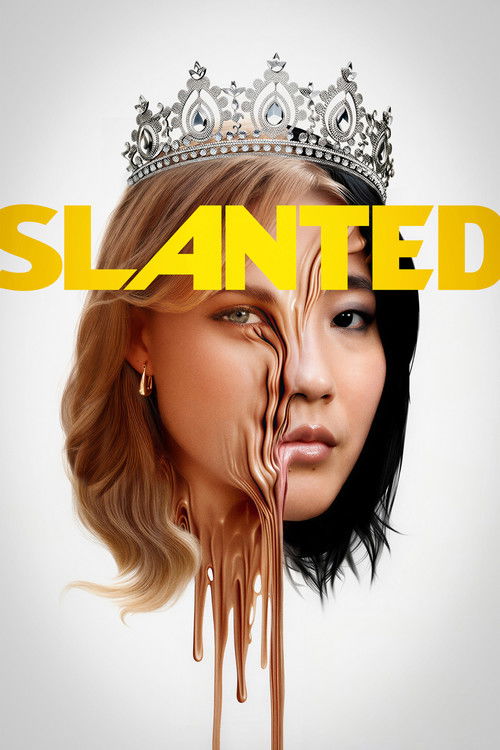
An insecure Chinese-American teenager undergoes experimental surgery to appear white, hoping to secure the prom queen title and peer acceptance.
Consciousness Assessment
Amy Wang's directorial debut represents the kind of uncompromising engagement with contemporary social consciousness that has become the baseline expectation for films seeking to comment on American racial hierarchies. By literalizing the concept of assimilationist self-erasure through body horror, the film creates a visual metaphor so direct that subtlety becomes impossible, which is precisely the point. The surgery itself functions as both satire and genuine critique of the beauty standards that position whiteness as the default human aesthetic.
The film's satirical apparatus runs on the principle that the audience will recognize the grotesque extremity of the premise as a reflection of already-existing grotesqueries in how American society structures desirability along racial lines. It is not content to merely suggest these dynamics; it insists on making them visceral. The body horror elements serve not as genre flourish but as the film's primary critical language, transforming abstract systems of racial preference into concrete, anatomical violence.
Yet the film's success depends entirely on whether viewers accept the satirical contract being offered. Some critics have noted that the narrative momentum falters in its final movements, suggesting that the intellectual premise may outstrip the film's ability to sustain dramatic tension. This is perhaps inevitable when working with such a deliberately reductive conceit, however intentionally reductive that may be. The result is a film that announces its progressive sensibilities with considerable clarity, occasionally at the expense of the kind of narrative subtlety that might allow those themes to accrue weight through implication rather than declaration.
Analysis generated by our Consciousness Algorithm
Critic Reviews
“Infused with a sharp exploration of the immigrant experience in America and a smattering of such high school tropes as mean-girl cliques and prom queen competitions, the movie is a wonderfully bonkers ride.”
“Through Wang's astute direction, some moving performances, and well-rounded vision, it is just as provocative as it needs to be, while making for a very entertaining watch.”
“Wang deals out absurdist humor with a deft hand, especially in scenes where Ethnos and its corporate videos extoll the so-called joys of whiteness.”
“Slanted has many interesting elements at play, not only in its own story but also in the films it draws inspiration from. Unfortunately, it just doesn't go far enough in the end.”
“It is no fun for a viewer to scoff at a film that purports to speak to pain that is real for many. But "Slanted" doesn't actually have any interest in contending with those experiences seriously, instead using its palely observed traumas as a launchpad for a pastiche of other punchier genre films.”
Consciousness Markers
The film features a predominantly Asian-American cast with Shirley Chen as the lead, centering Asian-American experiences and perspectives in a narrative explicitly about racial identity and belonging. The casting itself makes a statement about whose stories deserve to be told.
No significant LGBTQ+ themes or representation are evident from available information about the film. While the film engages with identity and transformation, these do not appear to extend into queer representation.
The film critiques beauty standards and the pressures placed on women to conform to narrow aesthetic ideals. The protagonist's willingness to undergo extreme surgery reflects feminist concerns about how patriarchal beauty standards coerce women's bodies and choices.
Racial consciousness is the film's central organizing principle. It directly examines the internalization of white supremacist beauty standards, cultural assimilation, and the psychological toll of racial self-hatred. The premise itself is an explicit engagement with racial hierarchy.
No climate-related themes or messaging are present in the film. The narrative concerns are entirely focused on personal identity and social dynamics within a high school context.
The film implicitly critiques consumer capitalism through its depiction of a cosmetic surgery industry that profits from racial insecurity and self-hatred. The clinic offering whiteness as a purchasable commodity functions as a critique of how capitalism monetizes identity anxiety.
The film engages with body positivity through its critique of extreme cosmetic surgery and the pursuit of an impossible, racialized beauty ideal. The body horror elements serve to defamiliarize and critique the normalization of surgical self-modification.
No significant representation or thematic engagement with neurodivergence is evident from available information. The film does not appear to address autism, ADHD, or other neurological conditions.
While the film engages with American racial history implicitly through its critique of beauty standards and assimilation, it does not appear to offer explicit revisionist historical narratives or reinterpretations of historical events.
The film's satirical approach borders on didactic, with its central premise functioning almost as a visual thesis statement about racial hierarchies. Some critics note the concept is so explicit that it risks over-explaining itself rather than allowing themes to emerge through narrative.