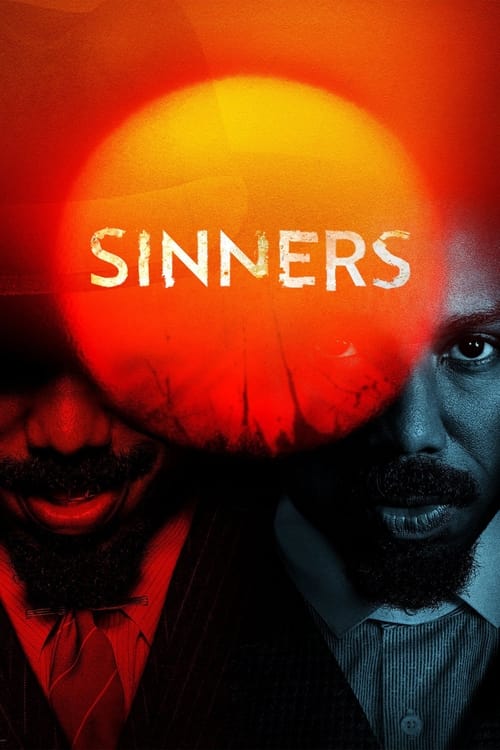
Sinners
2025 · Directed by Ryan Coogler
Woke Score
CriticCritic Score
Audience
Woke-Adjacent
Critics rated this 26 points above its woke score. Among Woke-Adjacent films, this critic score ranks #24 of 151.
Representation Casting
Score: 78/100
Predominantly Black cast in a prestige horror vehicle directed by a Black filmmaker, with deliberate inversion of traditional racial hierarchies in genre cinema. However, the representation functions primarily as casting rather than as substantive narrative interrogation.
LGBTQ+ Themes
Score: 0/100
No evidence of LGBTQ+ themes, characters, or representation in the available plot synopsis or critical reception materials.
Feminist Agenda
Score: 15/100
Hailee Steinfeld's presence suggests some attention to female representation, though the precise nature of her character's agency and narrative function remains unclear from available materials. Minimal evidence of explicit feminist agenda.
Racial Consciousness
Score: 72/100
The film's deliberate positioning in 1932 Jim Crow Mississippi and its use of supernatural horror as metaphor for systemic racial violence demonstrates clear racial consciousness. The premise itself engages with historical racial oppression, though filtered through genre conventions.
Climate Crusade
Score: 0/100
No evidence of climate-related themes or environmental crusade elements in the film's plot, setting, or thematic concerns.
Eat the Rich
Score: 22/100
The twin brothers' criminal backgrounds and return to their economically depressed hometown suggest some engagement with class struggle and economic desperation, though this appears secondary to the supernatural narrative.
Body Positivity
Score: 0/100
No evidence of body positivity messaging or related themes in the available information about the film.
Neurodivergence
Score: 0/100
No evidence of neurodivergence representation or related themes in the film's plot, cast descriptions, or critical reception.
Revisionist History
Score: 35/100
While the film is set in a historical period and engages with racial history, it does not appear to explicitly revise or reinterpret historical events. The historical setting serves atmospheric and thematic purposes rather than historical revisionism proper.
Lecture Energy
Score: 38/100
Critical reception emphasizes the film's visual ambition and entertainment value over preachy messaging. Some indication of thematic weight and serious intentions, but described primarily as entertainment rather than as a vehicle for explicit social instruction.


Synopsis
Trying to leave their troubled lives behind, twin brothers return to their hometown to start again, only to discover that an even greater evil is waiting to welcome them back.
Consciousness Assessment
Ryan Coogler's "Sinners" represents a curious specimen of contemporary horror cinema, one that wraps its supernatural machinery in the historical trauma of Jim Crow Mississippi without ever fully committing to either genre. The film deploys its 1932 setting not merely as backdrop but as thematic infrastructure, where vampiric evil functions as a metaphor for systemic racial violence and community predation. The casting of a predominantly Black ensemble in a prestige genre vehicle, helmed by a Black director whose previous work demonstrated considerable commercial and critical success, signals a deliberate intervention into horror's traditional demographics. Yet the film remains fundamentally a vampire thriller, and one must resist the temptation to confuse formal representation with substantive social commentary.
The picture's progressive sensibilities manifest most clearly in its casting architecture and the implicit acknowledgment that Black bodies and Black trauma warrant the full technical apparatus of blockbuster filmmaking. Hailee Steinfeld's presence as a white woman in a subordinate narrative position within a Black-centered narrative inverts certain Hollywood defaults, though the film does not appear to interrogate this arrangement with particular intensity. The dual performance by Michael B. Jordan, the blues-inflected score, and the visual grammar of Southern Gothic all suggest an ambition to dignify Black horror as a legitimate artistic expression rather than a subcategory. However, the supernatural horror framework ultimately permits the film to displace historical atrocity into the realm of the fantastic, allowing audiences to experience systemic racism as a monster to be vanquished rather than as an ongoing structural condition requiring institutional transformation.
The sixteen Oscar nominations, including recognition in technical categories, attest to the film's construction rather than to revolutionary content. The central tension persists: is "Sinners" a work of progressive cultural production, or is it a work that signals progressive intentions through casting and setting while maintaining the fundamental DNA of mainstream genre entertainment. The answer, predictably, is both. The film neither denies nor transcends its contradictions, existing as a document of how contemporary Hollywood performs social consciousness within the constraints of the blockbuster industrial model.
Analysis generated by our Consciousness Algorithm
Critic Reviews
“Sinners elegantly walks a line between enjoyable mayhem as well as a sense of tragedy around this safe haven being ripped apart – but also leverages the classical allure of the vampire for motivations inspired by its reflective first half.”
“Coogler doesn’t reinvent the vampire movie with Sinners, but in a current era of American cinema where messages are force-fed, a thoughtful social satire which gives viewers time to dissect––and never lets its loftier thematic aims get in the way of its junky thrills––is a breath of fresh air. I can’t remember the last time I had this much fun, nor felt so reinvigorated by, a major studio genre movie.”
“All of the elements of impressive craft blend to make a wholly unique concoction, a bloody, eerie, creepy and yet thoughtful and emotional exploitation movie about demons, ghosts, black magic and haunted things.”
“Coogler introduces themes, agendas and histories in collision with this film. But once “Sinners” transitions from Black history at a crossroads into straight-up horror, nothing much is made of the Big Ideas in this ungainly mashup of “Ma Rainey’s Black Bottom,” “Crossroads” and “From Dust Til Dawn.””
Consciousness Markers
Predominantly Black cast in a prestige horror vehicle directed by a Black filmmaker, with deliberate inversion of traditional racial hierarchies in genre cinema. However, the representation functions primarily as casting rather than as substantive narrative interrogation.
No evidence of LGBTQ+ themes, characters, or representation in the available plot synopsis or critical reception materials.
Hailee Steinfeld's presence suggests some attention to female representation, though the precise nature of her character's agency and narrative function remains unclear from available materials. Minimal evidence of explicit feminist agenda.
The film's deliberate positioning in 1932 Jim Crow Mississippi and its use of supernatural horror as metaphor for systemic racial violence demonstrates clear racial consciousness. The premise itself engages with historical racial oppression, though filtered through genre conventions.
No evidence of climate-related themes or environmental crusade elements in the film's plot, setting, or thematic concerns.
The twin brothers' criminal backgrounds and return to their economically depressed hometown suggest some engagement with class struggle and economic desperation, though this appears secondary to the supernatural narrative.
No evidence of body positivity messaging or related themes in the available information about the film.
No evidence of neurodivergence representation or related themes in the film's plot, cast descriptions, or critical reception.
While the film is set in a historical period and engages with racial history, it does not appear to explicitly revise or reinterpret historical events. The historical setting serves atmospheric and thematic purposes rather than historical revisionism proper.
Critical reception emphasizes the film's visual ambition and entertainment value over preachy messaging. Some indication of thematic weight and serious intentions, but described primarily as entertainment rather than as a vehicle for explicit social instruction.