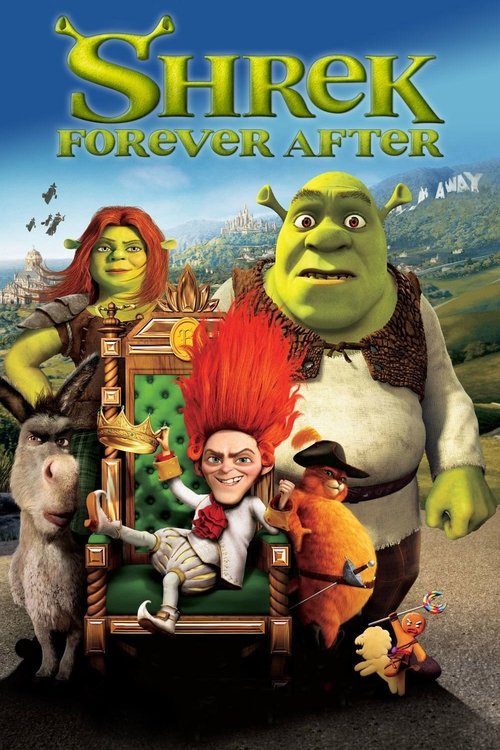
Shrek Forever After
2010 · Directed by Mike Mitchell
Woke Score
CriticCritic Score
Audience
Ultra Based
Critics rated this 50 points above its woke score. Among Ultra Based films, this critic score ranks #961 of 1469.
Representation Casting
Score: 25/100
The voice cast includes Eddie Murphy, Antonio Banderas, and Jane Lynch, providing some demographic diversity, though casting appears driven by star power rather than conscious representation initiatives.
LGBTQ+ Themes
Score: 0/100
No LGBTQ+ themes or characters present. The narrative centers entirely on heterosexual relationships and contains no meaningful engagement with sexual orientation or gender identity.
Feminist Agenda
Score: 20/100
Fiona demonstrates competence and agency, but these traits were established in earlier franchise entries. The narrative prioritizes Shrek's emotional arc, relegating Fiona to supporting player in his midlife crisis redemption.
Racial Consciousness
Score: 5/100
While the cast includes actors of color, the film contains no substantive engagement with race or racial themes. Diversity exists at the surface level only.
Climate Crusade
Score: 0/100
Environmental themes are entirely absent. The film's fantasy setting and plot mechanics show no concern with ecological issues.
Eat the Rich
Score: 10/100
Rumpelstiltskin operates through deal-making and contracts, but this serves fairy tale villainy conventions rather than social critique of economic systems.
Body Positivity
Score: 15/100
Shrek's ogre body is central to his identity, yet the film treats this as fantasy worldbuilding rather than contemporary commentary on body diversity or acceptance.
Neurodivergence
Score: 0/100
No characters are portrayed with neurodivergent traits, and no themes related to neurodiversity appear in the narrative.
Revisionist History
Score: 0/100
The alternate timeline functions as a plot device enabling the fantasy narrative, not as historical revisionism or reexamination of past events.
Lecture Energy
Score: 5/100
The film maintains a lighthearted comedic tone and avoids preachy messaging about social issues or progressive causes.


Synopsis
A midlife-crisis burdened Shrek, longing for the days when he felt like a real ogre, makes a pact with magic deal-maker Rumpelstiltskin. But when he's duped and sent to a twisted version of Far Far Away—where Rumpelstiltskin is king, ogres are hunted, and he and Fiona have never met—he sets out to restore his world and reclaim his true love.
Consciousness Assessment
Shrek Forever After arrives in 2010 as a film that has largely declined the cultural mandate of its moment. This is a family comedy about an ogre's midlife crisis, and it treats that premise with the seriousness it deserves: minimal. The narrative concerns itself with Shrek's emotional regression, his loss of identity in domestic life, and his redemptive journey to reclaim his marriage and sense of self. These are legitimate dramatic themes, but they exist in a register entirely removed from contemporary social consciousness.
The film's engagement with progressive sensibilities is negligible. Its voice cast includes actors of various backgrounds, a choice that reflects commercial filmmaking practices rather than deliberate representation strategy. Fiona, the female lead, possesses agency and capability, yet the narrative gravitates firmly toward Shrek's emotional arc, leaving her to occupy the role of prize and motivation. The fairy tale setting and comedic tone preclude any serious interrogation of systemic issues or social structures. There is no climate anxiety, no racial reckoning, no queer subtext, no disability representation, no economic critique beyond cartoonish villainy.
This is not a failing of the film. Shrek Forever After simply exists outside the frame of reference we are evaluating. It is a sequelized family entertainment that prioritizes spectacle, humor, and sentiment over cultural messaging. The film's woke score reflects not mediocrity but categorical disengagement. We are observing a movie that has no desire to participate in the specific cultural conversation of the 2020s progressive sensibility. It is, in the most literal sense, not trying.
Analysis generated by our Consciousness Algorithm
Critic Reviews
“Hilarious and heartfelt from start to finish, this is the best Shrek of them all, and that's no fairy tale.”
“This movie is a last chance to save the series, which it does.”
“Tired? This series is as exhausted as Shrek after a day of baby wrangling and diaper changing.”
Consciousness Markers
The voice cast includes Eddie Murphy, Antonio Banderas, and Jane Lynch, providing some demographic diversity, though casting appears driven by star power rather than conscious representation initiatives.
No LGBTQ+ themes or characters present. The narrative centers entirely on heterosexual relationships and contains no meaningful engagement with sexual orientation or gender identity.
Fiona demonstrates competence and agency, but these traits were established in earlier franchise entries. The narrative prioritizes Shrek's emotional arc, relegating Fiona to supporting player in his midlife crisis redemption.
While the cast includes actors of color, the film contains no substantive engagement with race or racial themes. Diversity exists at the surface level only.
Environmental themes are entirely absent. The film's fantasy setting and plot mechanics show no concern with ecological issues.
Rumpelstiltskin operates through deal-making and contracts, but this serves fairy tale villainy conventions rather than social critique of economic systems.
Shrek's ogre body is central to his identity, yet the film treats this as fantasy worldbuilding rather than contemporary commentary on body diversity or acceptance.
No characters are portrayed with neurodivergent traits, and no themes related to neurodiversity appear in the narrative.
The alternate timeline functions as a plot device enabling the fantasy narrative, not as historical revisionism or reexamination of past events.
The film maintains a lighthearted comedic tone and avoids preachy messaging about social issues or progressive causes.