Shrek
2001 · Directed by Andrew Adamson
Woke Score
CriticCritic Score
Audience
Ultra Based
Critics rated this 69 points above its woke score. Among Ultra Based films, this critic score ranks #270 of 1469.
Representation Casting
Score: 35/100
The cast is predominantly white with Eddie Murphy as the sole prominent Black voice actor in a comedic relief role. Fiona's agency is presented but within conventional romantic narrative frameworks.
LGBTQ+ Themes
Score: 0/100
No LGBTQ+ themes, characters, or representation of any kind. The narrative is entirely heteronormative and conventional.
Feminist Agenda
Score: 28/100
Fiona demonstrates combat skills and chooses her partner, which reads as progressive for 2001 but lacks deeper feminist critique. She remains ultimately defined by romantic plotlines.
Racial Consciousness
Score: 0/100
No meaningful engagement with racial themes or consciousness. Eddie Murphy's casting reflects industry practices rather than intentional representation strategy.
Climate Crusade
Score: 0/100
No climate-related themes, concerns, or messaging of any kind.
Eat the Rich
Score: 15/100
Lord Farquaad's corporate villainy receives surface mockery but no sustained critique of capitalism or systems of power. The satire remains comedic rather than ideological.
Body Positivity
Score: 20/100
Shrek's ogre status is played for grotesqueness and humor rather than genuine body acceptance. His ultimate romantic success requires his transformation into conventional attractiveness.
Neurodivergence
Score: 0/100
No representation of or engagement with neurodivergence. No characters coded as autistic, ADHD, or otherwise neurodivergent.
Revisionist History
Score: 0/100
The film operates within a generic fantasy setting with no historical claims or revisionist engagement with actual history.
Lecture Energy
Score: 8/100
The film maintains a light comedic tone throughout with minimal preachy messaging. Any social commentary remains implicit and gentle rather than preachy.


Synopsis
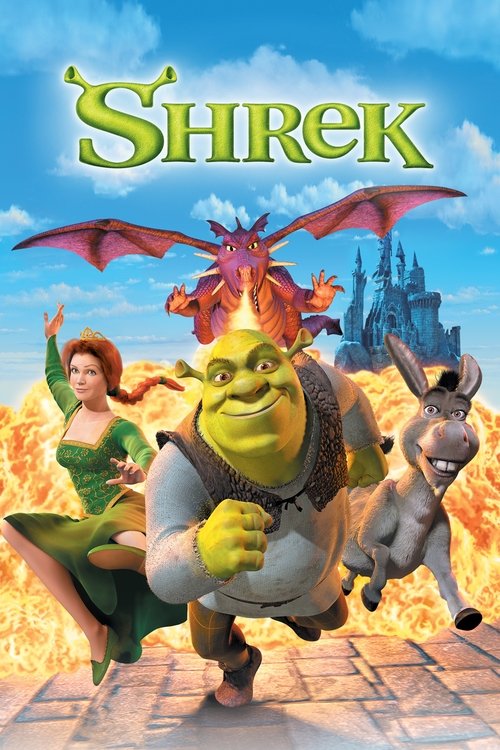
It ain't easy bein' green -- especially if you're a likable (albeit smelly) ogre named Shrek. On a mission to retrieve a gorgeous princess from the clutches of a fire-breathing dragon, Shrek teams up with an unlikely compatriot -- a wisecracking donkey.
Consciousness Assessment
Shrek arrives as a fairy tale subversion that mistakes the mere inversion of narrative conventions for actual cultural commentary. The film's central conceit, that an ogre is more deserving of love than a princess, operates as gentle satire of Disney's formulaic storytelling rather than any serious engagement with systemic critique. The ogre's monstrousness is ultimately redeemed by his capacity to be conventionally attractive and emotionally available, which rather undercuts any genuine interrogation of beauty standards or social acceptance.
The voice casting of Eddie Murphy as Donkey, while energetic, falls into the comfortable tradition of deploying a Black comedian as the comedic relief sidekick, a dynamic that predates modern social consciousness by decades and remains unexamined here. Princess Fiona's agency, such as it is, amounts to her choosing her own romantic partner and demonstrating martial competence, which registers as progressive positioning for 2001 but lacks the sustained critical framework that would elevate this beyond conventional character development.
Shrek is a children's film that happens to wink at adults, not a work of cultural provocation. The mockery of corporate villainy in Lord Farquaad's character never develops into anything resembling coherent anti-capitalist thought. The film is too invested in being accessible to mainstream audiences to genuinely challenge anything beyond the specific conventions of animated fairy tales.
Analysis generated by our Consciousness Algorithm
Critic Reviews
“It's wondrous, it's fabulous, it's -- all but unprecedented.”
“This is not your average family cartoon. Shrek is jolly and wicked, filled with sly in-jokes and yet somehow possessing a heart.”
“A movie that appeals to the eye, mind, heart and funny bone; that's a pretty good quadruple for any movie.”
“Shrek isn't clever or smart. It just wants you to think it is, through wink after wink after wink.”
Consciousness Markers
The cast is predominantly white with Eddie Murphy as the sole prominent Black voice actor in a comedic relief role. Fiona's agency is presented but within conventional romantic narrative frameworks.
No LGBTQ+ themes, characters, or representation of any kind. The narrative is entirely heteronormative and conventional.
Fiona demonstrates combat skills and chooses her partner, which reads as progressive for 2001 but lacks deeper feminist critique. She remains ultimately defined by romantic plotlines.
No meaningful engagement with racial themes or consciousness. Eddie Murphy's casting reflects industry practices rather than intentional representation strategy.
No climate-related themes, concerns, or messaging of any kind.
Lord Farquaad's corporate villainy receives surface mockery but no sustained critique of capitalism or systems of power. The satire remains comedic rather than ideological.
Shrek's ogre status is played for grotesqueness and humor rather than genuine body acceptance. His ultimate romantic success requires his transformation into conventional attractiveness.
No representation of or engagement with neurodivergence. No characters coded as autistic, ADHD, or otherwise neurodivergent.
The film operates within a generic fantasy setting with no historical claims or revisionist engagement with actual history.
The film maintains a light comedic tone throughout with minimal preachy messaging. Any social commentary remains implicit and gentle rather than preachy.