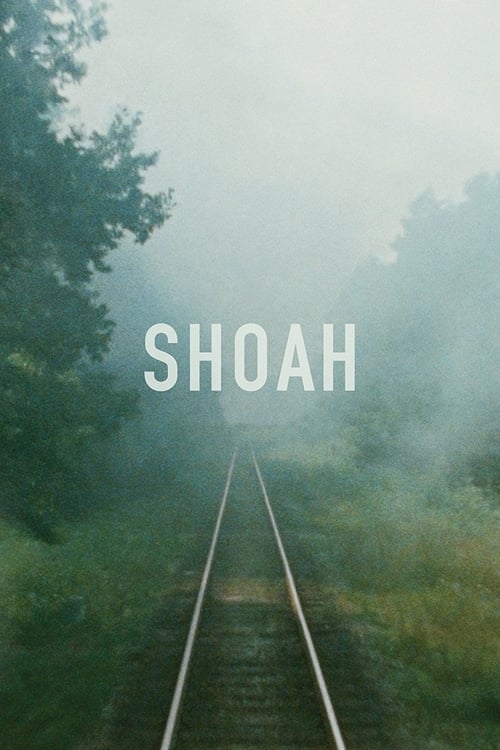
Shoah
1985 · Directed by Claude Lanzmann
Woke Score
CriticCritic Score
Audience
Ultra Based
Critics rated this 91 points above its woke score. Among Ultra Based films, this critic score ranks #13 of 1469.
Representation Casting
Score: 15/100
The film centers survivor voices and deliberately includes diverse witness categories, but this is presented as historical documentation rather than progressive casting practice. Representation is determined by historical truth, not contemporary diversity frameworks.
LGBTQ+ Themes
Score: 0/100
No LGBTQ+ themes or representation present. The film does not address the persecution of gay and lesbian individuals under Nazi regime, though this is a historical omission rather than a deliberate ideological choice.
Feminist Agenda
Score: 5/100
Some female survivors are included in testimony, but there is no explicit feminist framework or gender-conscious analysis. Women's experiences are documented but not centered through a feminist lens.
Racial Consciousness
Score: 10/100
While the Holocaust is the primary focus, there is limited engagement with broader racial consciousness frameworks. The film does not attempt to contextualize antisemitism within modern racial justice discourse.
Climate Crusade
Score: 0/100
Climate themes are entirely absent from this Holocaust documentary. No environmental consciousness is present or relevant to the film's subject matter.
Eat the Rich
Score: 5/100
There is minimal anti-capitalist framing. While the industrial nature of genocide is documented, there is no explicit critique of capitalism or wealth inequality as systemic forces.
Body Positivity
Score: 0/100
Body positivity discourse is not present in this documentary. The film does not engage with contemporary conversations around body acceptance or beauty standards.
Neurodivergence
Score: 0/100
Neurodivergence is not addressed in the film. No discussion of autism, ADHD, or other neurological conditions appears in the testimony or framing.
Revisionist History
Score: 0/100
The film presents historical testimony without revisionist intent. Lanzmann deliberately avoids reinterpreting the past through contemporary ideological lenses.
Lecture Energy
Score: 5/100
While the film's length and contemplative pace might suggest preachy intent, Lanzmann largely avoids explicit narration or moralizing. The film trusts the testimony to speak, though its scope and ambition do carry some pedagogical weight.

Synopsis
Director Claude Lanzmann spent 11 years on this sprawling documentary about the Holocaust, conducting his own interviews and refusing to use a single frame of archival footage. Dividing Holocaust witnesses into three categories – survivors, bystanders, and perpetrators – Lanzmann presents testimonies from survivors of the Chelmno concentration camp, an Auschwitz escapee, and witnesses of the Warsaw Ghetto Uprising, as well as a chilling report of gas chambers from an SS officer at Treblinka.
Consciousness Assessment
Shoah is a historical document of immense moral gravity, a nine-hour testimony to one of humanity's darkest chapters. Yet we must distinguish between moral importance and progressive cultural consciousness as understood in the 2020s. Lanzmann's methodology is deliberately classical: let the witnesses speak without editorializing. There is no contemporary social justice framing, no attempt to create a through-line to modern systemic oppression, no lecture about representation in the present day. The film simply presents voices and listens.
The modest woke score reflects the film's era and its deliberate resistance to contemporary cultural frameworks. What progressive sensibilities the film does contain are understated: the decision to center survivor testimony rather than perpetrator narratives, the implicit rejection of archival imagery that treats the Holocaust as spectacle, the refusal to aestheticize horror. These are ethical choices, but they do not register as 2020s progressive consciousness. Lanzmann works in an older humanist tradition where bearing witness itself is the moral act.
This is not criticism. Rather, it is acknowledgment that a work of devastating historical importance operates outside the scope of our current cultural taxonomy. Shoah remains unsettling precisely because it refuses the comfort of explanation. The film does not tell us what to think about the present day. It simply insists that we remember what was, and trusts that the weight of testimony will speak for itself.
Analysis generated by our Consciousness Algorithm
Critic Reviews
“Shoah's ultimate legacy, however, is being the final word on the Final Solution-one that renders every well-intentioned dramatic re-creation of such horrors into repulsive Ausch-kitsch by comparison. ”
“It has come to serve as a solemn metaphor for remembrance, as well as for butt-numbing endurance.”
“Despite its length, it is one of the most consistently engrossing and powerful movies ever made.”
“Why revisit Shoah 25 years after it was first released? Because it matters more a quarter century on, just as it will matter even more in a hundred years, and 200, and - if it and we survive - a thousand. ”
Consciousness Markers
The film centers survivor voices and deliberately includes diverse witness categories, but this is presented as historical documentation rather than progressive casting practice. Representation is determined by historical truth, not contemporary diversity frameworks.
No LGBTQ+ themes or representation present. The film does not address the persecution of gay and lesbian individuals under Nazi regime, though this is a historical omission rather than a deliberate ideological choice.
Some female survivors are included in testimony, but there is no explicit feminist framework or gender-conscious analysis. Women's experiences are documented but not centered through a feminist lens.
While the Holocaust is the primary focus, there is limited engagement with broader racial consciousness frameworks. The film does not attempt to contextualize antisemitism within modern racial justice discourse.
Climate themes are entirely absent from this Holocaust documentary. No environmental consciousness is present or relevant to the film's subject matter.
There is minimal anti-capitalist framing. While the industrial nature of genocide is documented, there is no explicit critique of capitalism or wealth inequality as systemic forces.
Body positivity discourse is not present in this documentary. The film does not engage with contemporary conversations around body acceptance or beauty standards.
Neurodivergence is not addressed in the film. No discussion of autism, ADHD, or other neurological conditions appears in the testimony or framing.
The film presents historical testimony without revisionist intent. Lanzmann deliberately avoids reinterpreting the past through contemporary ideological lenses.
While the film's length and contemplative pace might suggest preachy intent, Lanzmann largely avoids explicit narration or moralizing. The film trusts the testimony to speak, though its scope and ambition do carry some pedagogical weight.