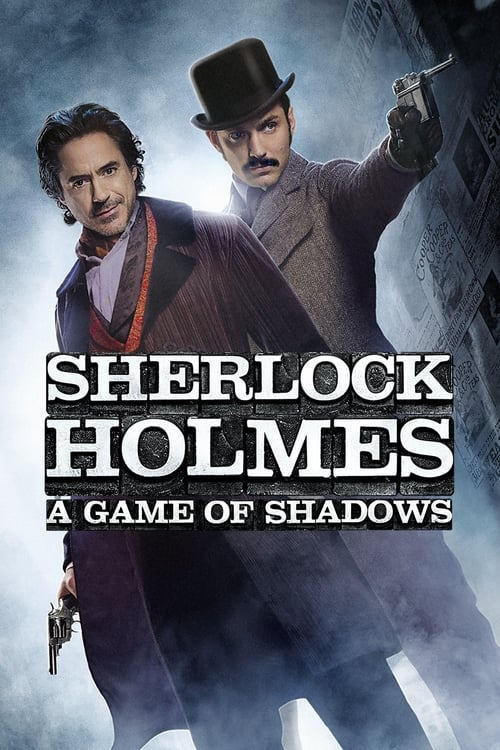
Sherlock Holmes: A Game of Shadows
2011 · Directed by Guy Ritchie
Woke Score
CriticCritic Score
Audience
Ultra Based
Critics rated this 44 points above its woke score. Among Ultra Based films, this critic score ranks #1200 of 1469.
Representation Casting
Score: 15/100
Noomi Rapace provides some diversity to the cast, but her character is underdeveloped and relegated to supporting status, serving primarily plot functions rather than meaningful representation.
LGBTQ+ Themes
Score: 0/100
No LGBTQ+ themes, characters, or subtext present in the film.
Feminist Agenda
Score: 8/100
Rapace's female character lacks agency and is subordinated to male characters' narratives. No feminist revision of source material or gender-conscious storytelling evident.
Racial Consciousness
Score: 0/100
No racial consciousness or examination of racial issues evident in the film's narrative or themes.
Climate Crusade
Score: 0/100
No climate-related themes or environmental consciousness present.
Eat the Rich
Score: 5/100
While academic analysis identifies capitalist and imperialist elements in the plot, these are contextual to the 1891 setting rather than deliberate progressive critique.
Body Positivity
Score: 0/100
No body positivity messaging or representation of diverse body types evident in the film.
Neurodivergence
Score: 0/100
No neurodivergent representation or themes present in the narrative.
Revisionist History
Score: 0/100
No revisionist historical perspective or reexamination of historical narratives evident.
Lecture Energy
Score: 0/100
No preachy or preachy tone regarding social issues; the film remains focused on entertainment and action sequences.


Synopsis
There is a new criminal mastermind at large (Professor Moriarty) and not only is he Holmes' intellectual equal, but his capacity for evil and lack of conscience may give him an advantage over the detective.
Consciousness Assessment
Guy Ritchie's sequel arrives as a thoroughly conventional action spectacle, a film more interested in kinetic editing and explosive set pieces than in interrogating the social structures surrounding its Victorian setting. Noomi Rapace joins the cast as Simza, a woman whose agency remains firmly subordinated to the narrative machinery of two male detectives. She exists primarily to advance the plot and provide romantic complications, a choice that drew industry criticism at the time for wasting her talents. The film's engagement with imperialism and capitalism appears entirely incidental to its period setting, rather than any deliberate commentary on these systems.
The film offers no representation beyond what the era ostensibly demanded, no gender-conscious revision of source material, and no thematic investment in marginalized experiences. Downey and Law anchor the narrative with their considerable charisma, while the supporting female characters fade into the background. There is no evidence of contemporary progressive sensibilities shaping the story, no neurodivergent representation, no queer themes, no climate messaging, and no body positivity considerations. The film exists comfortably within the Hollywood action template of the early 2010s, before such concerns became standard industry practice.
Viewed through the lens of modern cultural consciousness, this is essentially a blank slate. It is a competent, entertaining thriller that makes no claim to social awareness and makes no apparent effort to examine its own historical assumptions. For those seeking progressive cultural markers, the search will prove fruitless.
Analysis generated by our Consciousness Algorithm
Critic Reviews
“Set aside your memories of the Conan Doyle stories, save them to savor on a night this winter and enjoy this movie as a high-caliber entertainment.”
“Ritchie stages plenty of gunfights and beatdowns to satisfy action fans, pausing to consider the beauty of violence before resuming speed and piling on more.”
“A sequel confident in what it's about - bigger, better, funnier, without stretching the joke.”
“There's nothing here but wreckage. Sherlock Holmes: A Game of Shadows is so ineptly made that the story is advanced solely through announcements. ”
Consciousness Markers
Noomi Rapace provides some diversity to the cast, but her character is underdeveloped and relegated to supporting status, serving primarily plot functions rather than meaningful representation.
No LGBTQ+ themes, characters, or subtext present in the film.
Rapace's female character lacks agency and is subordinated to male characters' narratives. No feminist revision of source material or gender-conscious storytelling evident.
No racial consciousness or examination of racial issues evident in the film's narrative or themes.
No climate-related themes or environmental consciousness present.
While academic analysis identifies capitalist and imperialist elements in the plot, these are contextual to the 1891 setting rather than deliberate progressive critique.
No body positivity messaging or representation of diverse body types evident in the film.
No neurodivergent representation or themes present in the narrative.
No revisionist historical perspective or reexamination of historical narratives evident.
No preachy or preachy tone regarding social issues; the film remains focused on entertainment and action sequences.