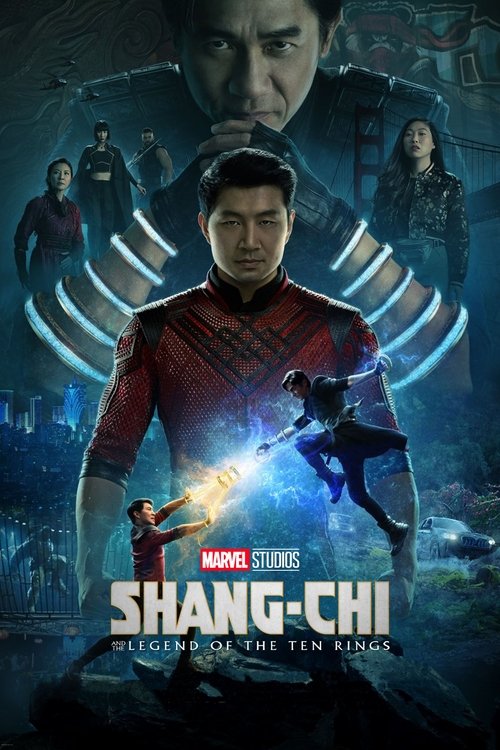
Shang-Chi and the Legend of the Ten Rings
2021 · Directed by Destin Daniel Cretton
Woke Score
CriticCritic Score
Audience
Woke-Adjacent
Critics rated this 13 points above its woke score. Among Woke-Adjacent films, this critic score ranks #76 of 151.
Representation Casting
Score: 95/100
The film features predominantly Asian and Asian-American cast members in leading and major supporting roles, marking a significant milestone for Marvel. This represents a deliberate and visible commitment to on-screen diversity in a major tentpole franchise.
LGBTQ+ Themes
Score: 0/100
No meaningful LGBTQ+ representation or themes present in the film. The narrative contains no queer characters or subtext of consequence.
Feminist Agenda
Score: 15/100
Female characters exist in the narrative but receive limited agency or development. Awkwafina's character provides comic relief rather than substantive character arc, and the film does not engage with feminist themes.
Racial Consciousness
Score: 72/100
The film engages with Asian cultural identity, intergenerational trauma, and questions of belonging and heritage. However, these themes are treated more as narrative backdrop than as sharp social critique.
Climate Crusade
Score: 0/100
The film contains no engagement with environmental or climate-related themes whatsoever.
Eat the Rich
Score: 10/100
While the Ten Rings organization functions as a villain, there is no critique of capitalism or wealth inequality. The narrative concerns personal and familial conflict rather than systemic economic critique.
Body Positivity
Score: 8/100
The film features conventional superhero physiques and contains no meaningful engagement with body positivity or disability representation.
Neurodivergence
Score: 0/100
No representation of neurodivergent characters or exploration of neurodivergence as a theme.
Revisionist History
Score: 20/100
The film incorporates martial arts mythology and Asian cultural references but does not engage in revisionist historical narratives in the contemporary progressive sense.
Lecture Energy
Score: 35/100
The film occasionally indulges in self-conscious moments regarding its own cultural significance and representation, creating moments where the narrative pauses to acknowledge its own importance.


Synopsis
Shang-Chi must confront the past he thought he left behind when he is drawn into the web of the mysterious Ten Rings organization.
Consciousness Assessment
Shang-Chi arrives as Marvel's most conspicuous act of cultural representation to date, a film so acutely aware of its own historical significance that the weight of representation threatens to collapse the entire enterprise. The casting of predominantly Asian and Asian-American actors in leading and supporting roles, the deployment of Mandarin dialogue, the prominence of Hong Kong action cinema aesthetics, these elements function not as organic storytelling choices but as carefully calibrated signals of progressive inclusion. The narrative itself concerns a man reconciling his identity and family legacy, which provides ample opportunity for thematic depth, yet the film often treats these themes with the delicate carefulness of someone handling a museum artifact rather than the vigor of genuine artistic exploration.
What complicates the assessment is the film's simultaneous commitment to spectacle and its occasional preachy impulses regarding heritage, belonging, and intergenerational trauma. The father-son dynamic carries real emotional weight, and the exploration of the Ten Rings organization's influence on Shang-Chi's identity does engage with questions of autonomy and cultural identity. Yet these elements coexist with a certain self-consciousness about representation itself, as if the film fears that failing to adequately foreground its diverse casting would constitute a betrayal of purpose. The supporting characters, particularly Awkwafina's Katy, exist largely as comic relief, which sits uneasily with the film's broader aspirations toward cultural significance.
The film's social consciousness manifests primarily through representation casting and racial consciousness, with limited engagement across other cultural markers. There is no particular feminist agenda, no meaningful climate consciousness, no critique of capitalism, and little engagement with neurodivergence or other progressive causes. The film wants to be seen as culturally important primarily through the fact of its casting and the visibility it grants to Asian talent, not through the substance of what it actually says about power, justice, or social structures. This is representation as checkbox, albeit a well-executed one.
Analysis generated by our Consciousness Algorithm
Critic Reviews
“So what if the showoff climax deserts depth for dazzle. As the first Asian hero in Marvel history, former stuntman Simu Liu is action poetry in motion and his epic starring debut kicks off the fall film season on a rousing high note.”
“Shang-Chi and the Legend of the Ten Rings isn’t perfect. There’s a bit too much exposition involving myths, history, and character backstory; that climax inevitably abandons the intimacy of the fight scenes for gargantuan CGI. Yet by that point the movie has earned too much goodwill to be affected much by such complaints. I’m sure there are plenty of punchplosions to come in the MCU, probably even delivered by Shang-Chi himself, but at least Ten Rings offers a momentary respite from the reverberations.”
“Directed by Destin Daniel Cretton, this film fits into Marvel packaging in its own way, but it has an immense soulfulness that other MCU movies, superhero movies, and action movies in general should take notes from. ”
“The film uses the superficial markers of Asian culture and filmmaking without presenting anything unique in its Marvel take on that tradition.”
Consciousness Markers
The film features predominantly Asian and Asian-American cast members in leading and major supporting roles, marking a significant milestone for Marvel. This represents a deliberate and visible commitment to on-screen diversity in a major tentpole franchise.
No meaningful LGBTQ+ representation or themes present in the film. The narrative contains no queer characters or subtext of consequence.
Female characters exist in the narrative but receive limited agency or development. Awkwafina's character provides comic relief rather than substantive character arc, and the film does not engage with feminist themes.
The film engages with Asian cultural identity, intergenerational trauma, and questions of belonging and heritage. However, these themes are treated more as narrative backdrop than as sharp social critique.
The film contains no engagement with environmental or climate-related themes whatsoever.
While the Ten Rings organization functions as a villain, there is no critique of capitalism or wealth inequality. The narrative concerns personal and familial conflict rather than systemic economic critique.
The film features conventional superhero physiques and contains no meaningful engagement with body positivity or disability representation.
No representation of neurodivergent characters or exploration of neurodivergence as a theme.
The film incorporates martial arts mythology and Asian cultural references but does not engage in revisionist historical narratives in the contemporary progressive sense.
The film occasionally indulges in self-conscious moments regarding its own cultural significance and representation, creating moments where the narrative pauses to acknowledge its own importance.