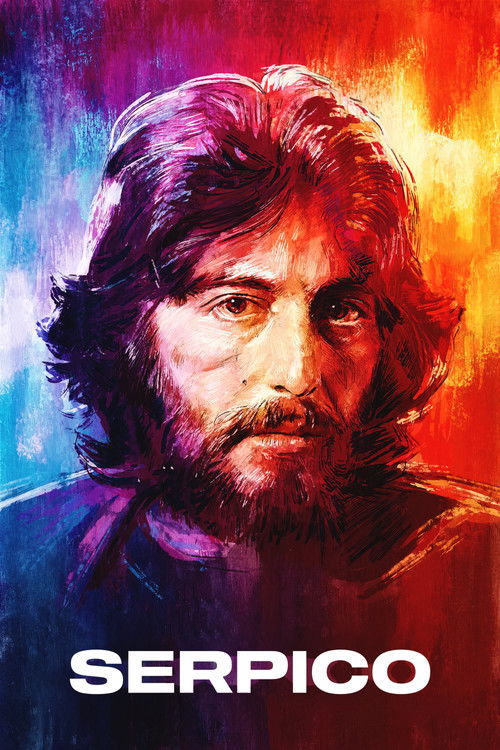
Serpico
1973 · Directed by Sidney Lumet
Woke Score
CriticCritic Score
Audience
Ultra Based
Critics rated this 79 points above its woke score. Among Ultra Based films, this critic score ranks #305 of 1469.
Representation Casting
Score: 0/100
The cast is predominantly white and male, reflecting the NYPD of the era without deliberate diverse representation or commentary on casting choices.
LGBTQ+ Themes
Score: 0/100
No LGBTQ+ themes, characters, or content are present in the film.
Feminist Agenda
Score: 0/100
The film features minimal female characters and contains no feminist agenda or gender-focused critique.
Racial Consciousness
Score: 5/100
While the film depicts a corrupt system that affects all officers, it does not specifically address racial dimensions of policing or systemic racism against marginalized communities.
Climate Crusade
Score: 0/100
No climate-related themes or content appear in the film.
Eat the Rich
Score: 10/100
The film critiques institutional power abuse and systemic corruption, aligning with anti-establishment sentiment, though not explicitly anti-capitalist in ideology.
Body Positivity
Score: 0/100
No body positivity themes or representation are present in the film.
Neurodivergence
Score: 0/100
No neurodivergent characters or themes are featured in the film.
Revisionist History
Score: 0/100
The film dramatizes contemporaneous events (Frank Serpico's 1960s-70s story) rather than reinterpreting historical events.
Lecture Energy
Score: 5/100
The film presents its moral themes through narrative and character action rather than explicit preachy messaging, though certain scenes carry considerable moral weight.


Synopsis
New York cop Frank Serpico blows the whistle on the rampant corruption in the force only to have his comrades turn against him.
Consciousness Assessment
Sidney Lumet's Serpico is a study in institutional corruption rendered as intimate moral catastrophe. Al Pacino's Frank Serpico is not a hero in any grandiose sense, merely a man attempting to remain honest within a system designed to compromise him. The film observes, with the detached precision of a documentary, how the machinery of corruption operates: not through dramatic villainy, but through the accumulated weight of complicity, indifference, and social pressure. The true horror is not the corruption itself but the isolation it inflicts upon those who refuse to participate in it.
The picture concerns itself entirely with power, institutional betrayal, and the cost of individual conscience. These are earnest preoccupations, but they belong to the tradition of humanist cinema rather than to contemporary social consciousness. The film does not examine the intersectional dimensions of police corruption or consider how institutional brutality might disproportionately affect marginalized communities. It is a story about one man's integrity against a corrupt system, told with complete seriousness and considerable skill, but without the analytical apparatus that modern progressive criticism might bring to bear on such material.
What emerges is a film of genuine moral weight that arrives at its conclusions through narrative force rather than preachy insistence. This is, paradoxically, what makes it effective as cinema and what places it outside contemporary frameworks for measuring progressive sensibility. It is a work of protest, but a protest conducted in the language of 1970s realism rather than in the vocabulary of 2020s social consciousness.
Analysis generated by our Consciousness Algorithm
Critic Reviews
“A quintessential New York director made this quintessential New York movie in 1973, with Pacino at his best.”
“Al Pacino delivers a powerful performance in this compelling biopic...of a cop and a city's police force.”
“This is a movie about disguise, denial, alienation and the terrible toll taken on the people who make a stand that their fearful or resentful contemporaries see as odd, eccentric or foolhardy – but will later sheepishly admit were entirely right.”
“Wonderful potential, and wasted. Serpico has some brutal surface flash and an acetylene performance by Al Pacino in the title role, but its energy is used to dodge all the questions it should have raised and answered.”
Consciousness Markers
The cast is predominantly white and male, reflecting the NYPD of the era without deliberate diverse representation or commentary on casting choices.
No LGBTQ+ themes, characters, or content are present in the film.
The film features minimal female characters and contains no feminist agenda or gender-focused critique.
While the film depicts a corrupt system that affects all officers, it does not specifically address racial dimensions of policing or systemic racism against marginalized communities.
No climate-related themes or content appear in the film.
The film critiques institutional power abuse and systemic corruption, aligning with anti-establishment sentiment, though not explicitly anti-capitalist in ideology.
No body positivity themes or representation are present in the film.
No neurodivergent characters or themes are featured in the film.
The film dramatizes contemporaneous events (Frank Serpico's 1960s-70s story) rather than reinterpreting historical events.
The film presents its moral themes through narrative and character action rather than explicit preachy messaging, though certain scenes carry considerable moral weight.