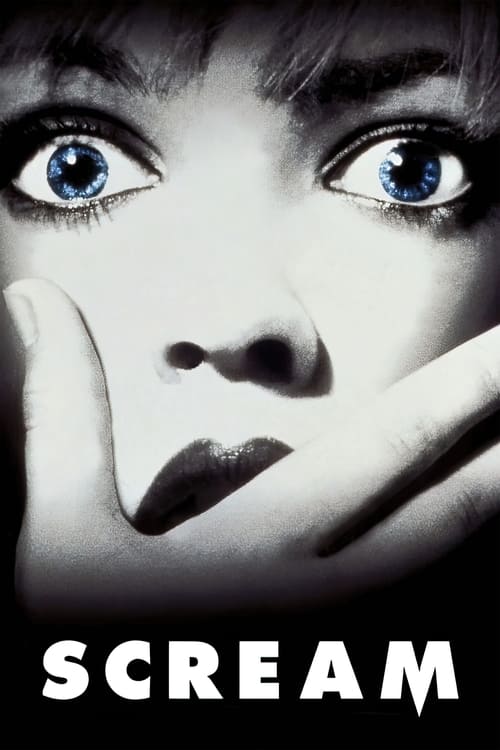
Scream
1996 · Directed by Wes Craven
Woke Score
CriticCritic Score
Audience
Ultra Based
Critics rated this 62 points above its woke score. Among Ultra Based films, this critic score ranks #747 of 1469.
Representation Casting
Score: 0/100
The film features a predominantly white cast with no deliberate engagement with representation or diversity as a thematic concern. Minority characters are absent from significant roles.
LGBTQ+ Themes
Score: 0/100
No LGBTQ+ themes, characters, or representation appear in the film. Sexuality is not addressed except through heterosexual relationships.
Feminist Agenda
Score: 5/100
Sidney Prescott is a capable final-girl protagonist, but this reflects established slasher conventions rather than modern feminist consciousness. The film does not critique gender dynamics or male violence.
Racial Consciousness
Score: 0/100
The film contains no racial themes, commentary on racial issues, or conscious engagement with race. The cast composition is not addressed as a meaningful element.
Climate Crusade
Score: 0/100
No environmental themes, climate messaging, or ecological consciousness appears in the film.
Eat the Rich
Score: 0/100
The film contains no critique of capitalism, wealth inequality, or economic systems. Socioeconomic factors play no thematic role.
Body Positivity
Score: 0/100
No body-positive messaging or discussion of body image appears in the film. Bodies exist only as targets within the slasher framework.
Neurodivergence
Score: 0/100
The film contains no representation of neurodivergence, mental health conditions, or disability. Mental illness is not meaningfully explored.
Revisionist History
Score: 0/100
The film does not engage with historical events or attempt any revisionist reinterpretation of history.
Lecture Energy
Score: 5/100
The film's meta-commentary about horror movie rules is genre deconstruction for entertainment, not moral instruction. The tone is playful rather than preachy or preachy.


Synopsis
A year after the murder of her mother, a teenage girl is terrorized by a masked killer who targets her and her friends by using scary movies as part of a deadly game.
Consciousness Assessment
Scream represents a 1996 horror film that, despite its eventual cultural impact, contains virtually no markers of the progressive sensibilities that would emerge in contemporary cinema. The film operates entirely within the conventions of its genre, employing self-aware meta-commentary about horror movie rules rather than interrogating social structures. Sidney Prescott functions as a capable protagonist who survives her ordeal, but this reflects decades of established final-girl conventions in slasher cinema, not a deliberate engagement with feminist consciousness. The film's cast is predominantly white, and diversity exists in the margins without thematic weight or intentional representation.
The narrative contains no LGBTQ+ themes, no environmental messaging, no critique of capitalism, no body-positive framing, and no discussion of neurodivergence or mental health. The film's famous "rules" scene, where characters discuss the logic of horror movies, is genre deconstruction for entertainment purposes, not moral instruction or social awakening. Wes Craven crafted a technically accomplished and commercially successful thriller that would influence horror filmmaking for decades, but it operates in a pre-consciousness era regarding the specific cultural markers we now examine. The film's violence toward women serves the plot mechanics of the slasher formula rather than interrogating those mechanics.
This score reflects the historical context of mid-1990s mainstream cinema, when such considerations were simply not part of the filmmaking conversation. Scream is a well-constructed horror film that deserves its reputation, yet it remains fundamentally a product of its time, untouched by the social consciousness that would later reshape cinema.
Analysis generated by our Consciousness Algorithm
Critic Reviews
“Wes Craven continues to explore (and blur) the lines between reelity and reality with his latest, and perhaps best, cinematic slice of horror.”
“A deft, funny, shrewdly unsettling tribute to such slasher-exploitation thrillers as "Terror Train," "New Year's Evil," and Craven's own "A Nightmare on Elm Street."”
“Craven's other accomplishment here, besides resuscitating the genre, is the way he keeps things scary even when they're at their funniest. The grand finale, while thoroughly bloody and tense, has some genuinely hilarious shtick.”
“Indeed, Scream is better than the average slasher film, as its advertisers insist. And, indeed, it is probably Wes Craven's best film, as they also insist. But that is a little like saying the pimple on the left side of your nose is "better" than the pimple on the right side.”
Consciousness Markers
The film features a predominantly white cast with no deliberate engagement with representation or diversity as a thematic concern. Minority characters are absent from significant roles.
No LGBTQ+ themes, characters, or representation appear in the film. Sexuality is not addressed except through heterosexual relationships.
Sidney Prescott is a capable final-girl protagonist, but this reflects established slasher conventions rather than modern feminist consciousness. The film does not critique gender dynamics or male violence.
The film contains no racial themes, commentary on racial issues, or conscious engagement with race. The cast composition is not addressed as a meaningful element.
No environmental themes, climate messaging, or ecological consciousness appears in the film.
The film contains no critique of capitalism, wealth inequality, or economic systems. Socioeconomic factors play no thematic role.
No body-positive messaging or discussion of body image appears in the film. Bodies exist only as targets within the slasher framework.
The film contains no representation of neurodivergence, mental health conditions, or disability. Mental illness is not meaningfully explored.
The film does not engage with historical events or attempt any revisionist reinterpretation of history.
The film's meta-commentary about horror movie rules is genre deconstruction for entertainment, not moral instruction. The tone is playful rather than preachy or preachy.