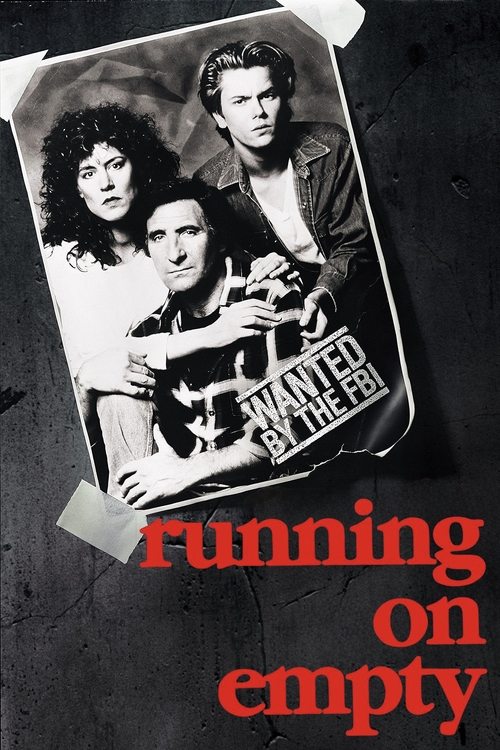
Running on Empty
1988 · Directed by Sidney Lumet
Woke Score
CriticCritic Score
Audience
Ultra Based
Critics rated this 52 points above its woke score. Among Ultra Based films, this critic score ranks #716 of 1469.
Representation Casting
Score: 25/100
The cast includes a female co-lead in Christine Lahti, though casting choices reflect 1988 norms rather than contemporary diversity considerations. The representation is not deliberately progressive but reflects the story's needs.
LGBTQ+ Themes
Score: 0/100
No LGBTQ+ themes, representation, or storylines are evident in the film. The romantic plot involves a heterosexual relationship between the protagonist and a young woman.
Feminist Agenda
Score: 30/100
The mother character possesses agency and equal moral complexity as the father in their shared political commitment and family responsibility. However, this reflects character writing rather than explicit feminist messaging or contemporary gender-consciousness.
Racial Consciousness
Score: 0/100
The film contains no meaningful engagement with racial consciousness, racial justice themes, or interrogation of racial dynamics. The narrative centers entirely on the family's political history and personal conflicts.
Climate Crusade
Score: 0/100
No climate-related themes or environmental consciousness are present in the film. The anti-war activism that drives the plot is distinct from contemporary climate activism.
Eat the Rich
Score: 20/100
The parents' original bombing of a weapons laboratory reflects anti-military-industrial sentiment, but this serves as historical context rather than explicit anti-capitalist messaging or contemporary critique of wealth inequality.
Body Positivity
Score: 0/100
The film contains no body positivity themes, commentary on body standards, or engagement with disability representation. Bodies are presented straightforwardly without ideological dimension.
Neurodivergence
Score: 0/100
No neurodivergent characters, representation, or thematic engagement with neurodiversity are present in the film.
Revisionist History
Score: 0/100
The film does not engage in revisionist historical interpretation. It presents the Vietnam War era and anti-war activism as historical fact without rewriting or reframing history through contemporary ideological lenses.
Lecture Energy
Score: 10/100
While the film explores serious moral and political questions, it does not lecture the audience. The narrative prioritizes character and emotional conflict over preachy messaging or explicit moral instruction.


Synopsis
The Popes are a family who haven't been able to use their real identity for years. In the late sixties, the parents set a weapons lab afire in an effort to hinder the government's Vietnam war campaign. Ever since then, the Popes have been on the run with the authorities never far behind. Their survival is threatened when their eldest son falls in love with a girl, and announces his wish to live his life on his own terms.
Consciousness Assessment
Running on Empty occupies an interesting historical position, being released in 1988 yet dealing with the radical politics of the Vietnam War era. Sidney Lumet's film examines the personal costs of ideological commitment, following a family in permanent flight after their anti-war activism turned violent. The film treats its subject matter with genuine moral seriousness rather than performative social consciousness. The parents' bombing of a weapons laboratory is presented as a consequential act, not a symbol of enlightened resistance, and the narrative dwells on how political conviction collides with family bonds and personal desire.
The screenplay, written by Naomi Foner, does feature a female co-parent presented with agency and moral complexity, though the film's progressive dimensions remain subdued. Christine Lahti's character is not a supporting wife but an equal participant in the family's political ideology and its aftermath. The film's engagement with anti-capitalist sentiment is present but incidental to the story, embedded in the historical context of the parents' original actions rather than as an explicit thematic argument. The family's fugitive status results from opposing military-industrial ambitions, yet this backdrop serves the intimate family drama rather than functioning as explicit cultural criticism.
What the film does not do is lecture its audience about social awakening or contemporary identity politics. It was made in 1988 with the sensibilities of that era, dealing with historical radicalism rather than contemporary progressive sensibilities. The representation of characters reflects the cast available and the story's demands, not a deliberate effort toward demographic balancing. The film's restraint and commitment to narrative complexity over ideological declaration places it in a different cultural moment from contemporary cinema.
Analysis generated by our Consciousness Algorithm
Critic Reviews
“There are great performances in the central roles. Phoenix essentially carries the story; it's about him. Lahti and Hill have that shattering scene together. And Lahti and Hirsch, huddled together in bed, fearfully realizing that they may have come to a crossroads, are touching; we see how they've depended on each other. This is one of the best films of the year.”
“Sophisticated, uncompromising and refreshingly original, it is one of those rare films which is likely to mean as much to teens as it does to their parents.”
“Both acting (particularly Phoenix) and characterisation are top-notch. A film about lives indelibly marked by the past, and by the lies we tell each other just to protect ourselves, it displays the narrative sophistication and ironic grasp of moral and emotional nuances characteristic of Lumet's best work.”
“Actors here perform admirably, though they seem not to know exactly what they're supposed to be playing and so they are reduced to giving us mere moments. But playing these characters would be impossible anyway. They're like composites constructed out of cross-section surveys of baby boomers, and Lumet leaves out any notion of personal psychology or motive. It's as if his characters acted only in response to generational forces.”
Consciousness Markers
The cast includes a female co-lead in Christine Lahti, though casting choices reflect 1988 norms rather than contemporary diversity considerations. The representation is not deliberately progressive but reflects the story's needs.
No LGBTQ+ themes, representation, or storylines are evident in the film. The romantic plot involves a heterosexual relationship between the protagonist and a young woman.
The mother character possesses agency and equal moral complexity as the father in their shared political commitment and family responsibility. However, this reflects character writing rather than explicit feminist messaging or contemporary gender-consciousness.
The film contains no meaningful engagement with racial consciousness, racial justice themes, or interrogation of racial dynamics. The narrative centers entirely on the family's political history and personal conflicts.
No climate-related themes or environmental consciousness are present in the film. The anti-war activism that drives the plot is distinct from contemporary climate activism.
The parents' original bombing of a weapons laboratory reflects anti-military-industrial sentiment, but this serves as historical context rather than explicit anti-capitalist messaging or contemporary critique of wealth inequality.
The film contains no body positivity themes, commentary on body standards, or engagement with disability representation. Bodies are presented straightforwardly without ideological dimension.
No neurodivergent characters, representation, or thematic engagement with neurodiversity are present in the film.
The film does not engage in revisionist historical interpretation. It presents the Vietnam War era and anti-war activism as historical fact without rewriting or reframing history through contemporary ideological lenses.
While the film explores serious moral and political questions, it does not lecture the audience. The narrative prioritizes character and emotional conflict over preachy messaging or explicit moral instruction.