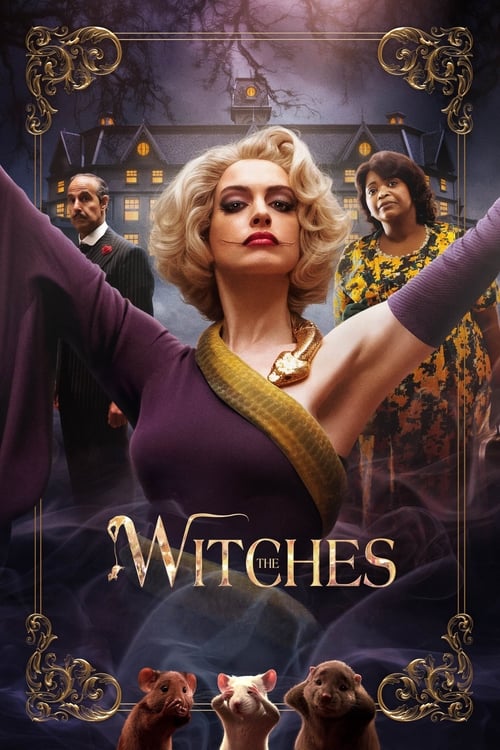
Roald Dahl's The Witches
2020 · Directed by Robert Zemeckis
Woke Score
CriticCritic Score
Based
Critics rated this 22 points above its woke score. Among Based films, this critic score ranks #240 of 345.
Representation Casting
Score: 65/100
The film features diverse casting with Octavia Spencer in a prominent role as the grandmother and Chris Rock as narrator, demonstrating intentional representation efforts in a family film.
LGBTQ+ Themes
Score: 0/100
No LGBTQ+ themes, characters, or representation are evident in the film.
Feminist Agenda
Score: 25/100
The grandmother is a strong protective figure, but the primary antagonist is female (Anne Hathaway's character), and the film does not engage substantively with feminist themes beyond basic character agency.
Racial Consciousness
Score: 55/100
The film is set in rural Alabama in 1967, during the Civil Rights era, and features a predominantly Black family unit with Octavia Spencer's grandmother as a central figure. However, the film does not explicitly engage with historical racial dynamics of the period.
Climate Crusade
Score: 0/100
No climate-related themes or environmental consciousness appears in this fantasy horror film.
Eat the Rich
Score: 0/100
The film contains no anti-capitalist messaging or critique of wealth and economic systems.
Body Positivity
Score: 0/100
The film does not promote body positivity; instead, bodily difference is portrayed as monstrous and villainous.
Neurodivergence
Score: 5/100
The film's depiction of the witches' altered physicality was widely criticized as harmful disability representation, conflating bodily difference with evil rather than celebrating neurodivergence.
Revisionist History
Score: 10/100
The 1967 Alabama setting could acknowledge historical racism, but the film largely sidesteps substantive engagement with the era's racial context.
Lecture Energy
Score: 15/100
The film is primarily entertainment focused rather than preachy, though the grandmother's protective wisdom carries some moralizing about good versus evil.


Synopsis
In late 1967, a young orphaned boy goes to live with his loving grandma in the rural Alabama town of Demopolis. As the boy and his grandmother encounter some deceptively glamorous but thoroughly diabolical witches, she wisely whisks him away to a seaside resort. Regrettably, they arrive at precisely the same time that the world's Grand High Witch has gathered.
Consciousness Assessment
Robert Zemeckis' 2020 remake of "The Witches" arrives as a film caught between its progressive intentions and catastrophic execution on matters of representation. The casting demonstrates a clear commitment to diversity, with Octavia Spencer anchoring the narrative as the grandmother and Chris Rock providing narration, while the screenplay by Kenya Barris suggests deliberate attention to social consciousness. The rural Alabama setting and the grandmother's protective relationship with her orphaned grandson provide space for genuine emotional resonance, particularly in how the film portrays intergenerational Black family bonds.
Yet the film's central controversy reveals the perils of superficial progressivism. The witches' redesigned physical characteristics, specifically their altered hands and grotesque body modifications, provoked substantial backlash from the disability community, who rightfully identified the depiction as perpetuating the harmful association between disability and villainy. Warner Bros. subsequently apologized for the offense caused. This represents a failure of cultural awareness that no amount of diverse casting can remediate, because it actively harms a marginalized group rather than simply excluding them.
The film attempts to balance family-friendly entertainment with visual horror, but its handling of disability transforms monstrous evil into a commentary on bodily difference. For a film co-written by someone known for progressive television work, this blind spot is particularly glaring. The result is a production that scores points for representation casting and some racial consciousness in its Southern setting and character dynamics, but loses substantial ground for its insensitive approach to neurodiversity and disability representation.
Analysis generated by our Consciousness Algorithm
Critic Reviews
“The Witches is enormous fun, bringing new life to an old story.”
“With Stanley Tucci very amusing as the hotel manager and Spencer giving a wonderfully warm performance, the film is never less than engaging.”
“There's sufficient charm and invention to make it work, though the energy level could be more consistent and the climactic action less rushed.”
“Robert Zemeckis's new adaptation of Roald Dahl's story is slick and dull.”
Consciousness Markers
The film features diverse casting with Octavia Spencer in a prominent role as the grandmother and Chris Rock as narrator, demonstrating intentional representation efforts in a family film.
No LGBTQ+ themes, characters, or representation are evident in the film.
The grandmother is a strong protective figure, but the primary antagonist is female (Anne Hathaway's character), and the film does not engage substantively with feminist themes beyond basic character agency.
The film is set in rural Alabama in 1967, during the Civil Rights era, and features a predominantly Black family unit with Octavia Spencer's grandmother as a central figure. However, the film does not explicitly engage with historical racial dynamics of the period.
No climate-related themes or environmental consciousness appears in this fantasy horror film.
The film contains no anti-capitalist messaging or critique of wealth and economic systems.
The film does not promote body positivity; instead, bodily difference is portrayed as monstrous and villainous.
The film's depiction of the witches' altered physicality was widely criticized as harmful disability representation, conflating bodily difference with evil rather than celebrating neurodivergence.
The 1967 Alabama setting could acknowledge historical racism, but the film largely sidesteps substantive engagement with the era's racial context.
The film is primarily entertainment focused rather than preachy, though the grandmother's protective wisdom carries some moralizing about good versus evil.