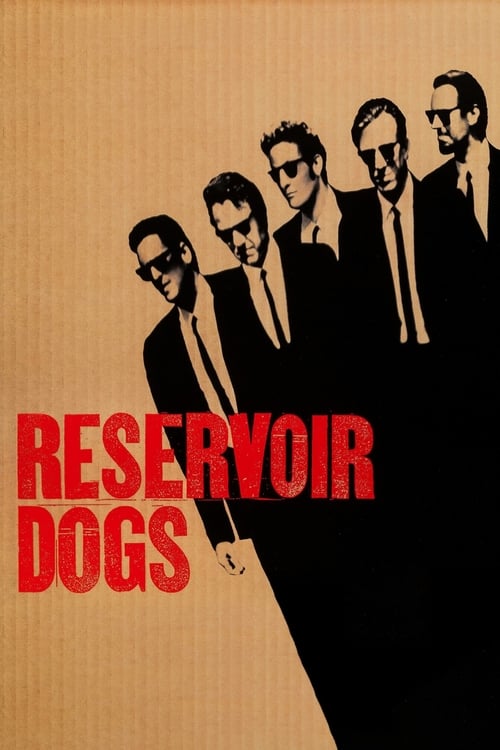
Reservoir Dogs
1992 · Directed by Quentin Tarantino
Woke Score
CriticCritic Score
Audience
Ultra Based
Critics rated this 81 points above its woke score. Among Ultra Based films, this critic score ranks #342 of 1469.
Representation Casting
Score: 0/100
The film features an all-male cast with no female characters in significant roles. There is no diversity in casting or representation of any kind.
LGBTQ+ Themes
Score: 0/100
No LGBTQ+ themes, characters, or representation appear in the film. There is no queer content or subtext.
Feminist Agenda
Score: 0/100
The film contains no feminist themes or consciousness. Violence is presented through a masculine lens without any commentary on gender dynamics or feminist concerns.
Racial Consciousness
Score: 0/100
There is no racial commentary, representation, or consciousness regarding diversity in the narrative. The film does not engage with racial themes.
Climate Crusade
Score: 0/100
The film contains no climate-related content, environmental themes, or any reference to climate consciousness.
Eat the Rich
Score: 0/100
While the film depicts criminals, it offers no anti-capitalist critique or commentary on systemic economic injustice.
Body Positivity
Score: 0/100
There is no engagement with body image, body positivity, or any representation of diverse body types.
Neurodivergence
Score: 0/100
The film contains no representation of neurodivergence or any engagement with neurodiverse characters or themes.
Revisionist History
Score: 0/100
This is not a historical film. There is no revisionist history or reframing of historical events.
Lecture Energy
Score: 0/100
The film is purely narrative-driven with no preachy elements, lectures, or attempts to educate the viewer about social issues.


Synopsis
A botched robbery indicates a police informant, and the pressure mounts in the aftermath at a warehouse. Crime begets violence as the survivors -- veteran Mr. White, newcomer Mr. Orange, psychopathic parolee Mr. Blonde, bickering weasel Mr. Pink and Nice Guy Eddie -- unravel.
Consciousness Assessment
Reservoir Dogs stands as a monument to the pre-woke cinema of the early 1990s, a moment when a filmmaker could construct an entire narrative around six men in a warehouse with barely a woman in sight and face no particular cultural recrimination for doing so. Tarantino's directorial debut is a study in masculine violence and criminal camaraderie, shot through with the aesthetics of Hong Kong action cinema and the narrative fractured structure that would become his calling card. The film contains no representation concerns, no diversity considerations, and no apparent interest in any form of social consciousness beyond the immediate drama of betrayal and bloodshed.
The absence of progressive sensibilities here is not accidental but structural. This is a film about criminals, yes, but it offers no critique of capitalism, no meditation on systemic injustice, and no suggestion that the viewer ought to contemplate anything beyond the surface pleasures of style and tension. The famous ear scene exists for shock value and narrative momentum, not to prompt reflection on violence or masculinity. There are no neurodivergent characters, no queer subtext, no body positivity, no climate concerns, and certainly no lectures about anything. The film simply is, confident in its own amorality.
What we have is a debut feature that captures a particular moment in cinema history when innovation in form and technique could exist entirely separate from any engagement with the social questions that would, within a generation, become central to cultural discourse. Reservoir Dogs remains what it always was: a stylish, violent, and entirely unreflective crime film made by a director interested in surfaces, dialogue, and the mechanics of narrative construction. It is not improved or diminished by the absence of progressive consciousness. It simply exists in a different cultural moment, when such things were not expected to matter.
Analysis generated by our Consciousness Algorithm
Critic Reviews
“You may not like the terms Tarantino sets, but you have to admit he succeeds on them.”
“A brutal movie, brutal in all the right ways -- brutally stark, brutally funny, brutally brutal. [30 Oct 1992]”
“Reservoir Dogs sizzles - it's dynamite on a short fuse, and you watch it with mesmerized fascination, simultaneously attracted and repelled by the explosion you know will come.”
“The only thing Mr. Tarantino spells out is the violence. I have seen much more blood spilled, yet I felt sickened by the coldness of this picture's visual cruelty. [29 Oct 1992, p.A11(E)]”
Consciousness Markers
The film features an all-male cast with no female characters in significant roles. There is no diversity in casting or representation of any kind.
No LGBTQ+ themes, characters, or representation appear in the film. There is no queer content or subtext.
The film contains no feminist themes or consciousness. Violence is presented through a masculine lens without any commentary on gender dynamics or feminist concerns.
There is no racial commentary, representation, or consciousness regarding diversity in the narrative. The film does not engage with racial themes.
The film contains no climate-related content, environmental themes, or any reference to climate consciousness.
While the film depicts criminals, it offers no anti-capitalist critique or commentary on systemic economic injustice.
There is no engagement with body image, body positivity, or any representation of diverse body types.
The film contains no representation of neurodivergence or any engagement with neurodiverse characters or themes.
This is not a historical film. There is no revisionist history or reframing of historical events.
The film is purely narrative-driven with no preachy elements, lectures, or attempts to educate the viewer about social issues.