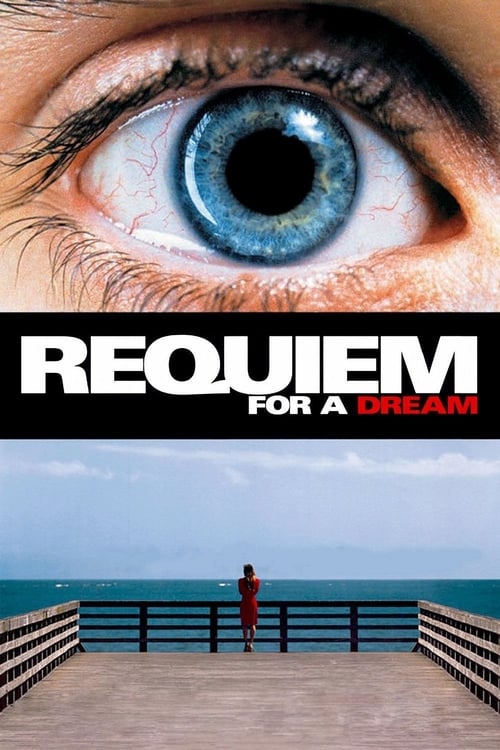
Requiem for a Dream
2000 · Directed by Darren Aronofsky
Woke Score
CriticCritic Score
Audience
Ultra Based
Critics rated this 63 points above its woke score. Among Ultra Based films, this critic score ranks #596 of 1469.
Representation Casting
Score: 25/100
The cast includes racial diversity with Marlon Wayans and Jennifer Connelly, but this diversity appears incidental to the narrative rather than intentional representation. The film treats all characters equally as addicts regardless of background.
LGBTQ+ Themes
Score: 0/100
No LGBTQ+ themes or representation present in the film. Sexual orientation and gender identity are not relevant to the narrative or character development.
Feminist Agenda
Score: 15/100
While Ellen Burstyn's character Sara addresses beauty standards and diet culture through her addiction to diet pills, the film does not critique these systems explicitly. Her tragedy is psychological and chemical rather than ideological.
Racial Consciousness
Score: 0/100
The film does not engage with racial consciousness or systemic racism. Characters of different races share the same fate of addiction, suggesting universality rather than racial awareness or analysis.
Climate Crusade
Score: 0/100
No climate themes or environmental consciousness present. The film is entirely unconcerned with ecological or environmental issues.
Eat the Rich
Score: 20/100
The film implicitly critiques consumer culture and pharmaceutical capitalism through Sara's diet pill addiction and the broader American dream mythology, but this critique is incidental to the addiction narrative rather than ideologically driven.
Body Positivity
Score: 5/100
The film's depiction of bodily transformation and physical decay serves the horror of addiction rather than any positive body image messaging. Body positivity is entirely absent.
Neurodivergence
Score: 0/100
No representation of neurodivergence or disability as identity. The characters' conditions are treated as pathology and tragedy rather than neurodiversity.
Revisionist History
Score: 0/100
No historical narrative or revisionism present. The film is set in a contemporary Coney Island milieu with no engagement with history.
Lecture Energy
Score: 15/100
While the film's visual language and narrative structure communicate a message about addiction's destructiveness, it does so through immersion and artistic technique rather than explicit preachiness or moral lecturing.


Synopsis
The drug-induced utopias of four Coney Island residents are shattered when their addictions run deep.
Consciousness Assessment
Darren Aronofsky's "Requiem for a Dream" stands as a technical and emotional tour de force in depicting addiction's descent, yet it remains indifferent to the modern constellation of social consciousness that preoccupies our current moment. The film's four parallel narratives of ruin exist in a moral universe shaped by chemistry and psychology, not by systemic critique. Ellen Burstyn delivers a performance of devastating power as Sara Goldfarb, a widow caught in the machinery of pharmaceutical dependency, but her tragedy stems from personal desperation rather than any statement about ageism or patriarchal beauty standards. The film simply does not concern itself with such commentary.
What the film offers instead is something closer to clinical observation than advocacy. Aronofsky employs his signature visual language, fractured editing, and Clint Mansell's iconic score to convey the subjective experience of addiction without pause for social positioning. The cast, which includes Marlon Wayans as Tyrone Love, exists within the narrative without any particular attempt to either celebrate or interrogate their representation. They are addicts first, characters second, and identity politics are simply not the film's currency. The film's body horror and bodily transformation sequences concern themselves with the mechanics of addiction rather than any positive reimagining of the body.
This is a work of genuine artistic vision that predates the cultural moment we now inhabit. It concerns itself with timeless human vulnerabilities: desire, loneliness, the hunger for transcendence, the trap of chemical dependency. One watches "Requiem for a Dream" not to find contemporary social consciousness reflected back at us, but to witness a master craftsman render the interior experience of self-destruction with uncompromising visual clarity. It is a film about ruin, not reform. About the abyss, not about how to fill it with better representation.
Analysis generated by our Consciousness Algorithm
Critic Reviews
“No one interested in the power and magic of movies should miss it.”
“Aronofsky has fashioned a chilling vision that lives up to the caustic irony of its title and gives us a nightmare that is not lightly forgotten.”
“May be the first movie to fully capture the way that drugs dislocate us from ourselves.”
“In the end the movie goes nowhere a hundred movies haven't already been and tells us nothing we don't already know. It does so with so much violent energy, however, it's like four brutal years at film school crammed into an hour and a half.”
Consciousness Markers
The cast includes racial diversity with Marlon Wayans and Jennifer Connelly, but this diversity appears incidental to the narrative rather than intentional representation. The film treats all characters equally as addicts regardless of background.
No LGBTQ+ themes or representation present in the film. Sexual orientation and gender identity are not relevant to the narrative or character development.
While Ellen Burstyn's character Sara addresses beauty standards and diet culture through her addiction to diet pills, the film does not critique these systems explicitly. Her tragedy is psychological and chemical rather than ideological.
The film does not engage with racial consciousness or systemic racism. Characters of different races share the same fate of addiction, suggesting universality rather than racial awareness or analysis.
No climate themes or environmental consciousness present. The film is entirely unconcerned with ecological or environmental issues.
The film implicitly critiques consumer culture and pharmaceutical capitalism through Sara's diet pill addiction and the broader American dream mythology, but this critique is incidental to the addiction narrative rather than ideologically driven.
The film's depiction of bodily transformation and physical decay serves the horror of addiction rather than any positive body image messaging. Body positivity is entirely absent.
No representation of neurodivergence or disability as identity. The characters' conditions are treated as pathology and tragedy rather than neurodiversity.
No historical narrative or revisionism present. The film is set in a contemporary Coney Island milieu with no engagement with history.
While the film's visual language and narrative structure communicate a message about addiction's destructiveness, it does so through immersion and artistic technique rather than explicit preachiness or moral lecturing.