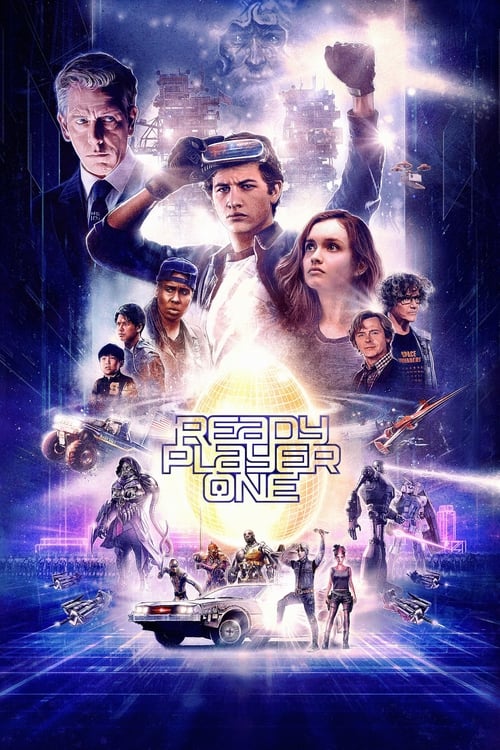
Ready Player One
2018 · Directed by Steven Spielberg
Woke Score
CriticCritic Score
Audience
Ultra Based
Critics rated this 46 points above its woke score. Among Ultra Based films, this critic score ranks #791 of 1469.
Representation Casting
Score: 42/100
The film features a diverse cast including Black, Asian, and Latino characters. However, white characters remain central to the narrative, and the diversity reads more as window dressing than structural inclusion.
LGBTQ+ Themes
Score: 0/100
No LGBTQ themes, relationships, or characters are present in the film. The revelation about Aech's gender identity does not constitute LGBTQ content.
Feminist Agenda
Score: 15/100
Female characters exist in the narrative but are largely passive or secondary. Samantha is the love interest rather than a fully realized protagonist. Critics have noted the film's dodgy representation of women.
Racial Consciousness
Score: 25/100
The film includes characters of color and addresses identity through the avatar system, particularly with Aech. However, there is no systematic examination of racial dynamics or systemic racism in either the virtual or real world.
Climate Crusade
Score: 0/100
No climate-related themes appear in the film. The dystopian setting results from social decay and technological excess rather than environmental collapse.
Eat the Rich
Score: 20/100
The villain pursues corporate control of the Oasis, suggesting critique of capitalist consolidation. However, the film does not develop systematic anti-capitalist analysis or explore the structures that enable inequality.
Body Positivity
Score: 0/100
No body positivity themes are present. The film does not engage with body representation, disability, or physical diversity in any meaningful way.
Neurodivergence
Score: 0/100
No neurodivergent characters or themes appear in the film. None of the cast displays neurodivergent traits or experiences.
Revisionist History
Score: 0/100
The film does not rewrite history or present revisionist historical narratives. Its 1980s nostalgia is celebratory rather than interrogative.
Lecture Energy
Score: 10/100
The film's moral messaging about technology and human connection is delivered through plot and character action rather than preachy exposition. Minimal direct moralizing occurs.


Synopsis
When the creator of a popular video game system dies, a virtual contest is created to compete for his fortune.
Consciousness Assessment
Ready Player One arrives as a film fundamentally concerned with the dangers of technological escapism, which is to say it concerns itself with matters of substance rather than cultural performance. Spielberg constructs his virtual reality as a space where identity becomes fluid, most notably through the character of Aech, a Black woman who presents as a male avatar in the Oasis. The film acknowledges this disparity and treats it with a measure of seriousness, though the revelation functions more as plot device than genuine interrogation. The supporting cast includes characters of various ethnicities, yet the narrative gravitates inexorably toward its white male protagonist, Wade Watts, as the agent through which we experience this supposedly egalitarian digital space.
The film's engagement with progressive social consciousness remains notably restrained. While Aech's gender and racial identity form part of her character, the movie does not mobilize these facts for contemporary cultural commentary so much as for dramatic irony. The relationships between characters lack the specific markers of contemporary progressive sensibility. There is no interrogation of systemic power, no climate anxiety, no queer intimacy, no exploration of neurodivergence. What the film actually concerns itself with is a moral argument about technology and human connection in the physical world.
Spielberg's framework is humanist rather than aligned with contemporary progressive sensibilities. The film asks us to value reality over simulation, community over isolation, and presence over distraction. These are important themes, but they belong to the lineage of humanist cinema rather than to the specific constellation of 2020s cultural concerns. The result is a film that contains diverse representation without deploying it toward contemporary ideological ends.
Analysis generated by our Consciousness Algorithm
Critic Reviews
“You need to see this one on the biggest screen possible, and let it wash over you as if you had stepped inside the most incredible video game experience ever created — one in which events in the manufactured universe can have lasting and serious real-world consequences.”
“It runs too long and drags a bunch in its final third, but make no mistake: This is Spielberg’s biggest crowdpleaser in years, a CGI ride that wields the technology with an eye for payoff.”
“The sheer dynamism and energy of the movie are compelling, even when the character drama isn’t.”
“With Steven Spielberg behind the camera, Ernest Cline’s book had potential to transcend its source material. It’s disheartening that the finished product is little more than the cinematic equivalent of a pop culture mashup tee, which takes cherished icons of film and coats them in garish CGI while clumsily smashing them against one another like a child playing with action figures.”
Consciousness Markers
The film features a diverse cast including Black, Asian, and Latino characters. However, white characters remain central to the narrative, and the diversity reads more as window dressing than structural inclusion.
No LGBTQ themes, relationships, or characters are present in the film. The revelation about Aech's gender identity does not constitute LGBTQ content.
Female characters exist in the narrative but are largely passive or secondary. Samantha is the love interest rather than a fully realized protagonist. Critics have noted the film's dodgy representation of women.
The film includes characters of color and addresses identity through the avatar system, particularly with Aech. However, there is no systematic examination of racial dynamics or systemic racism in either the virtual or real world.
No climate-related themes appear in the film. The dystopian setting results from social decay and technological excess rather than environmental collapse.
The villain pursues corporate control of the Oasis, suggesting critique of capitalist consolidation. However, the film does not develop systematic anti-capitalist analysis or explore the structures that enable inequality.
No body positivity themes are present. The film does not engage with body representation, disability, or physical diversity in any meaningful way.
No neurodivergent characters or themes appear in the film. None of the cast displays neurodivergent traits or experiences.
The film does not rewrite history or present revisionist historical narratives. Its 1980s nostalgia is celebratory rather than interrogative.
The film's moral messaging about technology and human connection is delivered through plot and character action rather than preachy exposition. Minimal direct moralizing occurs.