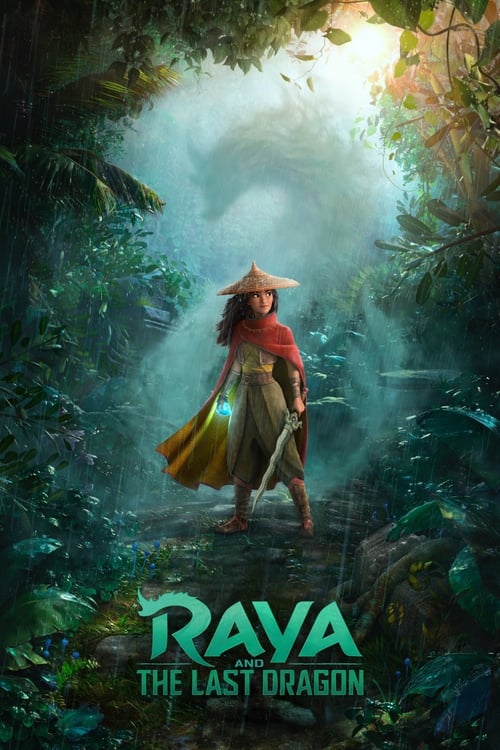
Raya and the Last Dragon
2021 · Directed by Don Hall
Woke Score
CriticCritic Score
Audience
Woke
Critics rated this 12 points above its woke score. Among Woke films, this critic score ranks #47 of 88.
Representation Casting
Score: 82/100
The cast is predominantly Asian and Asian-American performers in substantive roles. The film deliberately centers Southeast Asian cultural representation with intentional casting choices that reflect the source material's geographic specificity.
LGBTQ+ Themes
Score: 0/100
No meaningful LGBTQ+ representation or themes present in the film. The narrative contains no queer characters or relationships of note.
Feminist Agenda
Score: 60/100
The protagonist is a capable female warrior who drives the plot and makes critical decisions. However, her agency remains largely contained within a restoration narrative rather than challenging existing power structures or gender dynamics.
Racial Consciousness
Score: 75/100
The film demonstrates conscious effort to center and celebrate Southeast Asian cultural traditions, aesthetics, and mythology. However, this remains primarily celebratory rather than critically examining systemic inequities.
Climate Crusade
Score: 55/100
Environmental themes are present through dragon conservation and ecosystem restoration mechanics. However, these serve the plot rather than constituting a focused climate message, and lack connection to contemporary climate discourse.
Eat the Rich
Score: 15/100
The film contains no substantive critique of capitalist systems or wealth inequality. The conflict centers on interpersonal trust rather than structural economic critique.
Body Positivity
Score: 30/100
The film presents diverse body types among characters without particular emphasis on body positivity messaging. Physical diversity exists but is not thematized or centered as a progressive value.
Neurodivergence
Score: 0/100
No meaningful representation of neurodivergent characters or exploration of neurodiversity themes. The film does not engage with this axis of identity or experience.
Revisionist History
Score: 0/100
The film is set in a fictional fantasy world with no connection to historical narratives or revisionist historical claims. This marker does not apply to the film's content.
Lecture Energy
Score: 45/100
The film delivers its messages about unity and trust with earnest conviction, though without heavy-handed exposition. The cultural elements are woven into narrative and design rather than explicitly explained to the audience.


Synopsis
Long ago, in the fantasy world of Kumandra, humans and dragons lived together in harmony. But when an evil force threatened the land, the dragons sacrificed themselves to save humanity. Now, 500 years later, that same evil has returned and it's up to a lone warrior, Raya, to track down the legendary last dragon to restore the fractured land and its divided people.
Consciousness Assessment
Raya and the Last Dragon represents Disney's deliberate attempt to center Southeast Asian cultural aesthetics within the animated blockbuster format. The film draws inspiration from the region's architectural, linguistic, and mythological traditions, while assembling a cast that reflects this geographic specificity. Kelly Marie Tran voices the protagonist, a Vietnamese-American actress who carries significant cultural weight given her public experience with online harassment. The film's narrative structure emphasizes themes of trust, unity across division, and environmental restoration, all delivered with the earnest intensity one expects from contemporary Disney properties.
The movie's progressive architecture reveals itself through multiple vectors. The female lead is positioned as a skilled warrior whose agency drives the plot, though her characterization remains largely in the service of restoring a broken world rather than interrogating the systems that fractured it. The ensemble cast features prominent Asian and Asian-American performers in roles of consequence, and the visual language consistently privileges Southeast Asian design principles. Environmental themes surface through the plot mechanics of dragon conservation and ecosystem restoration, though these remain secondary to the reconciliation narrative.
The film operates within a framework of cultural celebration that stops short of substantive critique. It presents diversity as solution rather than exploring the power structures that necessitate it. The message of trust and unity, while thematically coherent, lacks the sharp edges of genuine political consciousness. This is a film about healing division through personal connection, not systemic transformation.
Analysis generated by our Consciousness Algorithm
Critic Reviews
“The film is crammed with so much transporting spectacle and visual invention, it feels epic even at living-room size.”
“Sure to be an instant animated classic as it expertly balances emotion, humor and social politics amid a backdrop of surreal, eye-popping visual beauty.”
“It’s a film with a lot on its mind and plenty of plot and character plates to spin, but the results are both impressive and exciting.”
“Raya isn’t without its formulaic plot points, predictable turns or lazy dialogue. Still, on the whole, it’s a reasonably diverting family-friendly showcase for Disney’s characteristic blend of humor, heart and artistry.”
Consciousness Markers
The cast is predominantly Asian and Asian-American performers in substantive roles. The film deliberately centers Southeast Asian cultural representation with intentional casting choices that reflect the source material's geographic specificity.
No meaningful LGBTQ+ representation or themes present in the film. The narrative contains no queer characters or relationships of note.
The protagonist is a capable female warrior who drives the plot and makes critical decisions. However, her agency remains largely contained within a restoration narrative rather than challenging existing power structures or gender dynamics.
The film demonstrates conscious effort to center and celebrate Southeast Asian cultural traditions, aesthetics, and mythology. However, this remains primarily celebratory rather than critically examining systemic inequities.
Environmental themes are present through dragon conservation and ecosystem restoration mechanics. However, these serve the plot rather than constituting a focused climate message, and lack connection to contemporary climate discourse.
The film contains no substantive critique of capitalist systems or wealth inequality. The conflict centers on interpersonal trust rather than structural economic critique.
The film presents diverse body types among characters without particular emphasis on body positivity messaging. Physical diversity exists but is not thematized or centered as a progressive value.
No meaningful representation of neurodivergent characters or exploration of neurodiversity themes. The film does not engage with this axis of identity or experience.
The film is set in a fictional fantasy world with no connection to historical narratives or revisionist historical claims. This marker does not apply to the film's content.
The film delivers its messages about unity and trust with earnest conviction, though without heavy-handed exposition. The cultural elements are woven into narrative and design rather than explicitly explained to the audience.