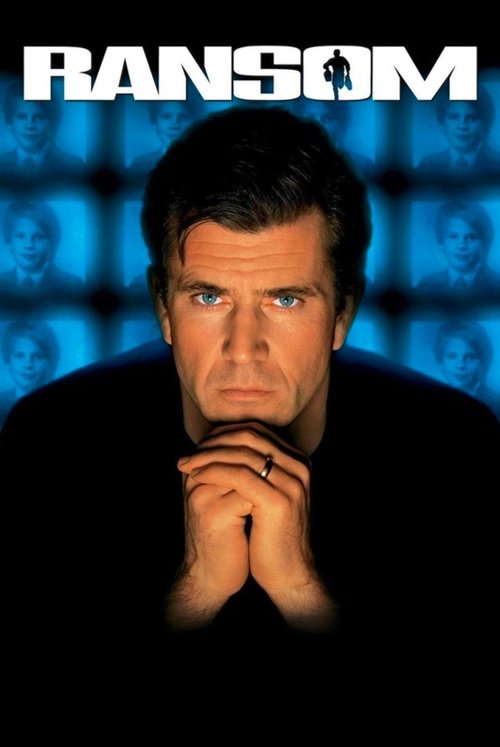
Ransom
1996 · Directed by Ron Howard
Woke Score
CriticCritic Score
Audience
Ultra Based
Critics rated this 57 points above its woke score. Among Ultra Based films, this critic score ranks #876 of 1469.
Representation Casting
Score: 15/100
The cast includes Black actors (Delroy Lindo) and women in supporting roles, but this reflects 1990s baseline casting rather than deliberate representation strategy. Diversity exists without commentary.
LGBTQ+ Themes
Score: 0/100
No LGBTQ+ themes, characters, or subtext present in the film. The narrative centers entirely on heterosexual family structures and male-coded action heroics.
Feminist Agenda
Score: 5/100
Rene Russo provides a competent female presence but occupies a subordinate narrative role. The film's emotional core and action sequences belong to the male leads. No feminist agenda or gender commentary emerges.
Racial Consciousness
Score: 8/100
While the cast includes actors of color, the film contains no racial consciousness or commentary. Characters occupy functional roles without reference to systemic issues or identity politics.
Climate Crusade
Score: 0/100
Climate themes are entirely absent. The film is a crime thriller with no environmental commentary whatsoever.
Eat the Rich
Score: 2/100
The protagonist's wealth is deployed as plot convenience rather than subject for critique. No examination of class systems, exploitation, or anti-capitalist sentiment occurs.
Body Positivity
Score: 0/100
The film contains no body positivity themes or commentary. Characters are portrayed in conventional 1990s action cinema aesthetic terms.
Neurodivergence
Score: 0/100
No neurodivergent representation or themes present. The film does not engage with disability, neurodiversity, or related social considerations.
Revisionist History
Score: 0/100
Ransom contains no historical revisionism. It is a contemporary crime thriller with no historical claims or reinterpretations to evaluate.
Lecture Energy
Score: 10/100
The film maintains straightforward action-thriller pacing with no preachy moments, character speeches about social issues, or pauses for moral instruction. Pure entertainment without sermon.

Synopsis
When a rich man's son is kidnapped, he cooperates with the police at first but then tries a unique tactic against the criminals.
Consciousness Assessment
Ransom stands as a monument to the 1990s action thriller, a genre that existed in a peculiar temporal pocket before the modern constellation of social consciousness concerns became mandatory viewing apparatus. The film is fundamentally concerned with the mechanics of crime, negotiation, and masculine agency in the face of criminal chaos. Mel Gibson's wealthy protagonist operates within a world where wealth is simply a narrative condition, a lever for plot mechanics rather than a subject for examination or critique.
The cast contains a reasonable ethnic diversity by 1996 standards, with Gary Sinise, Delroy Lindo, and others occupying roles that are not explicitly coded as "diverse casting" because that concept had not yet calcified into its modern form. Rene Russo serves as a capable spouse figure, present and occasionally consulted, though the film's energy derives entirely from its male leads and their various displays of authority and competence. The criminals are portrayed as criminals, the wealthy man as resourceful, the police as bureaucratic obstacles. No character exists primarily to deliver commentary about systemic inequality, representation matrices, or the moral compromises of capitalism.
What emerges from Ransom is a straightforward action narrative that treats its narrative elements as story components rather than cultural statements. The film neither celebrates nor examines the wealth disparity at its center. It simply deploys it as the mechanism that makes the plot function. This is not progressive cinema, nor is it regressive in any deliberate sense. It is cinema from before that distinction became the primary organizing principle of critical discourse. For this reason, Ransom receives a minimal woke score, not because it contains offensive material, but because it exists in a temporal location where such frameworks simply had not yet been installed into the cultural viewing apparatus.
Analysis generated by our Consciousness Algorithm
Critic Reviews
“Mr. Howard has made Ransom in the same clean, swift, logical style that sent his "Apollo 13" into orbit, resulting in a spellbinding crime tale that delivers surprises right down to the wire.”
“The 1996 kidnap drama Ransom traverses the parameters of public life in America, from the image public figures present to us to the image they never intended us to see. Neither one tells the whole truth. Luckily, Ransom isn't content with surfaces..”
“Although the story is built around the automatically emotional situation of an imperiled kid, scripters Richard Price (who appears briefly as an uncomfortably handcuffed victim of Sinise in the early going) and Alexander Ignon and director Ron Howard largely steer clear of milking the easy melodrama.”
“A reprehensible movie from just about every perspective, Ransom tries to justify the behavior of its lead character as something grounded in principle, but make no mistake about it: This is the act of a man who can't bear the thought of losing, a man who will turn the tables on his enemy at the risk of a beloved's death.”
Consciousness Markers
The cast includes Black actors (Delroy Lindo) and women in supporting roles, but this reflects 1990s baseline casting rather than deliberate representation strategy. Diversity exists without commentary.
No LGBTQ+ themes, characters, or subtext present in the film. The narrative centers entirely on heterosexual family structures and male-coded action heroics.
Rene Russo provides a competent female presence but occupies a subordinate narrative role. The film's emotional core and action sequences belong to the male leads. No feminist agenda or gender commentary emerges.
While the cast includes actors of color, the film contains no racial consciousness or commentary. Characters occupy functional roles without reference to systemic issues or identity politics.
Climate themes are entirely absent. The film is a crime thriller with no environmental commentary whatsoever.
The protagonist's wealth is deployed as plot convenience rather than subject for critique. No examination of class systems, exploitation, or anti-capitalist sentiment occurs.
The film contains no body positivity themes or commentary. Characters are portrayed in conventional 1990s action cinema aesthetic terms.
No neurodivergent representation or themes present. The film does not engage with disability, neurodiversity, or related social considerations.
Ransom contains no historical revisionism. It is a contemporary crime thriller with no historical claims or reinterpretations to evaluate.
The film maintains straightforward action-thriller pacing with no preachy moments, character speeches about social issues, or pauses for moral instruction. Pure entertainment without sermon.